
Afirmaciones sobre electrones, conexión a tierra y salud
1 min Machine translated Health
1 min Machine translated Health
Con las baterías dentro del cuerpo humano.
Por un lado, se trata de cuántos electrones estamos introduciendo, y hay muchos donantes de electrones.
Los donantes de electrones pueden ser salir al sol, puede ser caminar descalzo sobre el césped.
Puede ser apoyar el cuerpo contra un árbol, porque el árbol tiene electrones y te los donará.
Abrazar a un animal. Una forma habitual de hacer que las personas en residencias de ancianos se sientan mejor es comprarles un perro o un gato.
Sostienen al perro o al gato y obtienen electrones de él.
El, el animal sale y se recarga y te trae algunos de vuelta.
El agua en movimiento dona electrones, mientras que el agua quieta tiende a robar electrones.
El aire en movimiento roba electrones. Por eso, cuando vas en un descapotable, te ves muy genial, pero siempre estás cansado cuando llegas allí, porque el viento es el que te roba electrones.
Por un lado, vemos qué cosas pueden aportar electrones al cuerpo, y luego qué cosas se los roban.
Y, de nuevo, los que más los roban son las infecciones dentales, el bagaje emocional y diversas toxinas, en particular las toxinas que recibimos de cosas como los alimentos transgénicos y los pesticidas, y otros tipos de cosas,
como la contaminación del aire. Hay muchas toxinas a nuestro alrededor.
Y, por supuesto, casi se podría incluir en el concepto de bagaje emocional.
Son toxinas de otra manera, en el sentido de que nos roban el voltaje que deberíamos usar para otra cosa.
End of transcript · 254 words · machine translated
With the battery packs in the human body.
On one side, it's how many electrons are we putting in, and there are a lot of electron donors.
Electron donors can be getting out in the sun, can be walking barefoot in the grass.
It can be leaning up, your body up against a tree because the tree has electrons and will donate them to you.
Hugging an animal. A common way that makes people in nursing homes feel better is to buy them a dog or a cat.
They hold the dog or the cat and get electrons from it.
The, the animal runs outside and recharges itself and brings some back to you.
Moving water is an electron donor, whereas still water tends to be an electron stealer.
Moving air is an electron stealer. That's why when you ride in a convertible, you look really cool, but you're always tired when you get there because the wind is the, steals electrons from you.
On one hand, we look at what things can put electrons in the body, and then what things steal them.
And again, the c- the most common stealers are dental infections, emotional baggage, various toxins, particularly the toxins that we are getting from things like GMO foods and pesticides and other kinds of things, air pollution.
There's a lot of toxins around us. And of course, one can almost include in the concept emotional baggage.
They're toxins in a different way in that they rob us of voltage that we should be using for something else.
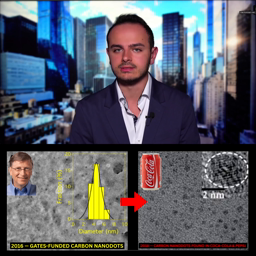 2:55 Nanopuntos en Coca-Cola y Pepsi: estudio en ratones y vínculo alegado con Gates
 1:41 ¿Puede una plancha diaria quemar grasa abdominal
 1:46 Bórax: afirmaciones sobre la artritis, el fluoruro y su seguridad
 4:18 Un hombre relata una mejora de la visión tras usar DMSO
 1:53 Glifosato, melanina y afirmaciones sobre la desintoxicación de pesticidas
 2:37 Parásitos cerebrales: consejos de prevención y tratamiento
 1:04 Críticas al calendario de vacunación infantil y sus posibles riesgos
 2:12 Críticas a los péptidos inyectables, Ozempic y la insulina
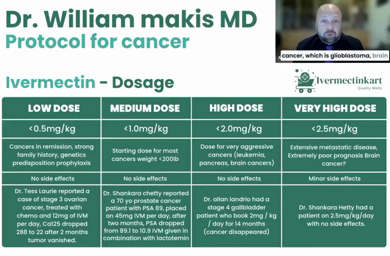 2:00 Antiparasitarios contra el cáncer: ivermectina y mebendazol en investigación
 0:49 Afirmaciones sobre Pfizer, el cuajo modificado genéticamente y el queso
 1:29 Crisis de suicidio entre veteranos: comparación con las muertes en guerra
 0:54 Nattokinasa: afirmaciones sobre coágulos, proteína espiga y placa arterial
 iPhone app Translate videos on your iPhone Paste a TikTok, Instagram or X link, add subtitles in your language and save the video to Photos.

TranslateMom transcribes and translates videos from X, TikTok, YouTube and Instagram. Paste a link and you get a page like this one, in your language.