
Thinking Machines explica los modelos de interacción con IA en tiempo real
2 min Machine translated Tech & science
2 min Machine translated Tech & science
La razón por la que empezamos Thinking Machines es que queríamos crear un laboratorio de IA de vanguardia centrado de verdad en la colaboración entre las personas y la IA, y eso abarca muchas cosas, y conlleva apuestas de investigación muy concretas.
Pero queríamos mostrar, eh, nuestro trabajo en una de las primeras apuestas: los modelos de interacción.
Y los modelos de interacción son un nuevo tipo de modelo.
Si pensamos en los tipos de modelos con los que trabajamos hoy, son muy, eh, por turnos. Mmm.
Tú hablas, ellos hablan, y luego se ponen a pensar.
Eh, una vez que les das, por así decirlo, una indicación sobre lo que quieres hacer, y mientras están pensando, es casi como si fueran sordos y ciegos. Mmm.
No pueden percibir nada más sobre lo que está pasando, y entonces te toca a ti, Y mientras hablas, eh, de verdad no pueden percibir nada sobre cómo estás hablando.
No sucede en tiempo real. En cambio, nuestras interacciones entre nosotros son muy ricas.
Hay mucha información en nuestras interacciones cuando estamos en silencio, cuando pensamos, cuando nos interrumpimos.
Y así, los modelos de interacción pueden representar todas estas neuronas.
No funcionan por turnos. Se basan más en el tiempo… Oh… en la interacción, donde reciben continuamente audio, texto y video, y generan resultados continuamente.
Ahora, lo dividimos en fragmentos de veinte milisegundos, y esto permite realmente captar cosas como las interrupciones y el habla simultánea, eh, y crear algo realmente rico, una interacción de gran ancho de banda entre las personas y las máquinas—Mmm…
que creemos que es fundamental para hacer posible, eh, la autonomía y, eh, y, y permitir que las personas estén más dentro de este ciclo—Ajá … eh, a medida que seguimos avanzando cada vez más en la IA.
End of transcript · 300 words · machine translated
The reason why we even started Thinking Machines is because we wanted to build a frontier AI lab that's really focused on, um, really human AI collaboration piece, and that means a lot of things, and there are specific research bets that go into that.
But we wanted to showcase, um, our work in one of the first bets through the interaction models.
And the interaction models are a new kind of model.
If you consider the types of models that we work with today, they're very, um, turn-based. Mm.
And so you talk, they talk, then they go off and think.
Um, once you've given sort of a prompt on what it is that you want to do, and while they're thinking, it's almost like they're deaf and blind. Mm.
They cannot perceive anything else about what's going on, and then it's your turn, and while you're talking, um, they really cannot perceive anything about how you're talking.
It's not happening in real time. And by contrast, our interactions with each other are very rich.
There is a lot of information in our interactions when we are silent, when we're thinking, when we're interrupting one another.
And so interaction models are able to capture all of these neurons.
They're not turn-based. They're more like time-based- Oh ... interaction, where they're continuously taking in audio, text, video, and continuously providing output.
Now, we cut this up in chunks of twenty milliseconds, and this enables you to actually, uh, catch these things like interruptions and simultaneous speech, um, and really create a rich, high bandwidth interaction between humans and machines- Mm ... which we think is critical to actually enable,
um, agency and, uh, and, and enable people to be more in this loop- Mm-hmm ... um, as we advance AI further and further.
 1:43 Cómo llenar una bolsa larga con un soplo usando el principio de Bernoulli
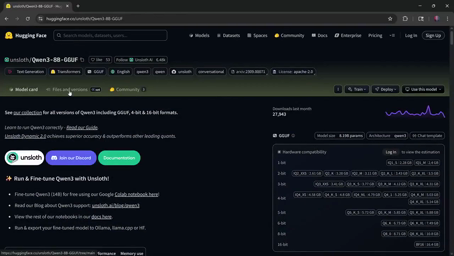 4:58 Cómo ejecutar modelos de IA locales desde un USB en Windows
 1:37 Visión remota de 3I/ATLAS: supuesta tecnología alienígena y soldados dormidos
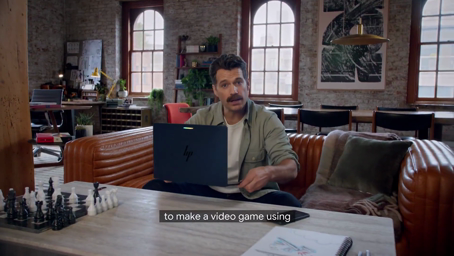 0:30 Mustache Protocol: un videojuego para salvar los bigotes
 0:48 El Gran Reinicio, los riesgos de ciberataques y la COVID-19
 0:32 Por qué los coches voladores necesitan impulsar aire hacia abajo
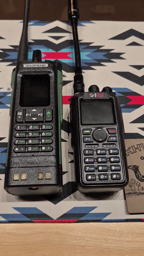 3:02 Baofeng DM-32UV vs. BTech DMR-6X2: comparativa de radios DMR
 4:47 Candidato musulmán al Senado rechaza a los Hermanos Musulmanes y defiende la Constitución
 9:58 Cómo ganar más de 5.000 dólares al mes con contenido evergreen en YouTube
 9:49 Racismo, educación israelí y preparación militar: un debate
 1:46 Afirmaciones sobre la COVID-19, los biolaboratorios ucranianos y la guerra
 2:41 Hombre se niega a identificarse durante investigación policial
 iPhone app Translate videos on your iPhone Paste a TikTok, Instagram or X link, add subtitles in your language and save the video to Photos.

TranslateMom transcribes and translates videos from X, TikTok, YouTube and Instagram. Paste a link and you get a page like this one, in your language.