
Iran’s Underground Missile Cities and Military Strategy
2 min About Iran War & conflict
2 min About Iran War & conflict
Everybody knew that Iran had spent years excavating bunkers for its strike forces, and indeed their TV had shown footage of many of those facilities.
Western analysts say that around 35 of these missile cities were central to their war plans.
The main point of them was to shelter the ballistic missiles that would be used to hit Israel and America's Gulf Arab allies.
When attacks started in February, the Americans and Israelis did have many successes knocking out missile launchers.
The rate at which Iran fired them fell steeply by as much as 80%.
But since airstrikes could not harm the missiles that were deep underground, they had to focus on blocking the entrances to these complexes by caving in the access tunnels.
The Iranians hunkered down, launching their surviving missiles more slowly and digging out the tunnel entrances whenever they got the chance.
And commanders rued the difficulties of attacking bunkers so deep that none of America's munitions could touch them. They've hardened something else too, the way they command their forces. A system known as Mosaic Command meant that when the senior leadership was killed on the first night, those in positions of responsibility
elsewhere had already got authority to start the counter strikes.
And there's another thing about all those underground storage points.
They also got used for the speed boats, drones, and missiles that would be used to close the Strait of Hormuz.
Quite simply, they had built big weapons stockpiles, and America hadn't.
End of transcript · 249 words
 6:17 Countering Media Narratives on Yemen
 0:51 Mobilization Reserves: 84,000 People and Volunteers
 4:49 Chinese Elder Condemns Japanese Atrocities and Recalls Past Friendship
 2:57 Criticism of the Houthis’ Taiz Siege and Their Support for Gaza
 4:45 Traffic at Taiz's Western Entrance Amid Dispute Over City Siege
 1:15 A Russian Military March on Warsaw and Berlin for May 9
 1:09 Iranian Missiles and Europe: Discussion of US Military Bases
 0:28 Beaten Activist, Hospital Aid and Questions for a General
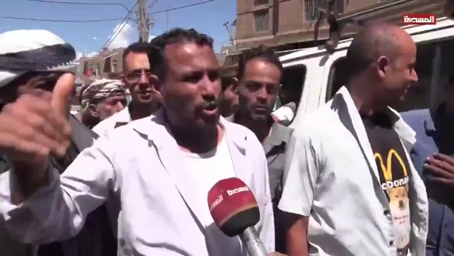 2:45 Al-Turbah Residents Speak of Security and Yemeni Unity
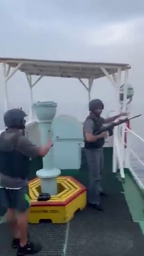 2:19 Video Recording and Report of an Unmanned Vehicle Explosion
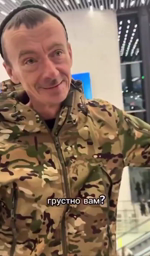 0:59 Alexey’s Departure for the Military Operation Zone
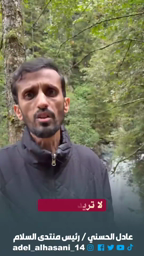 1:24 Call for Yemeni Unity, an End to Bloodshed and Foreign Withdrawal
 iPhone app Translate videos on your iPhone Paste a TikTok, Instagram or X link, add subtitles in your language and save the video to Photos.

TranslateMom transcribes and translates videos from X, TikTok, YouTube and Instagram. Paste a link and you get a page like this one, in your language.