
Waktu Layar dan Perkembangan Otak Anak: Studi MRI
1 min Machine translated Health
Apa layarnya terlihat jelas? Ya. Ini Rose yang berusia lima tahun.
Dia salah satu dari 60 anak yang menjalani studi menyeluruh di AS, dengan menggunakan mesin MRI untuk memindai otak anak-anak berusia tiga hingga lima tahun.
Hasilnya sungguh mengejutkan. Waktu interaktif di depan layar menyebabkan berkurangnya materi putih di otak.
Nah, sederhananya, kita bisa menyebutnya semacam ukuran gangguan otak atau kerusakan otak.
Profesor Mike Nagel dari University of the Sunshine Coast telah menghabiskan kariernya mempelajari perkembangan otak anak.
Jadi, materi putih di otak adalah zat yang disebut mielin.
Mielin membungkus akson neuron dan berfungsi seperti, eh, isolator, penghantar, tak terlalu berbeda dengan lapisan plastik pada kabel.
Jadi, jika kita melihat kekurangan produksi mielin di awal kehidupan, mungkin kita melihat kurangnya konektivitas saraf.
Studi itu menunjukkan makin lama waktu layar yang digunakan seorang anak, makin besar hilangnya materi putih.
Bisakah Anda mengingat reaksi pertama Anda terhadap hasil itu, bukan hanya sebagai profesional di bidang ini, tetapi juga sebagai seorang ayah?
Uh, reaksi spontan saya adalah, "Wah." Saya, saya, saya, saya tidak menyangka akan melihat sesuatu seperti itu.
Saat itu tak pernah terpikir oleh saya bahwa sesuatu yang sesederhana, dan disebutkan dua jam sehari, bisa berdampak begitu besar pada materi putih yang berkaitan dengan perkembangan bahasa, semacam, dan, akibatnya, literasi.
Sejujurnya, itu mengejutkan.
End of transcript · 212 words · machine translated
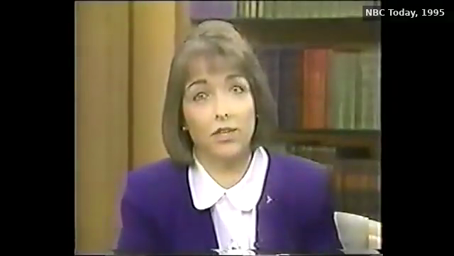
Can you see the screen all right? Yeah. This is five-year-old Rose.
She was one of 60 kids to undergo an exhaustive study in the US, using an MRI machine to scan the brains of kids aged three to five years old.
The results, truly shocking. Interactive screen time causes a loss of white matter in the brain.
Well, in the simplest terms, we could actually refer to it as some measure of brain impairment or brain damage.
Professor Mike Nagel from the University of the Sunshine Coast has spent a career studying child brain development.
So, white matter in the brain is a material called myelin.
So what myelin does is it wraps around the axons of neurons and acts like, um, an insulator, a conductor, not too dissimilar to the plastic coating of a wire.
So if we're seeing deficits in myelin production early in life, we're probably seeing deficits in neural connectivity.
The study shows the more screen time a child is exposed to, the greater the loss of white matter.
Can you remember your first reaction to those results, not only as a professional in this field, but as a father?
Uh, my gut reaction was, "Wow." I, I, I, I was not anticipating seeing anything like that.
It hadn't occurred to me at the time that something as little as, and it said two hours a day, was having such a profound effect on the white matter associated with sort of language development, and by association, literacy.
It was a shock, to be honest.
 3:39 Perubahan Pedoman Tekanan Darah dan Penggunaan Obat Hipertensi
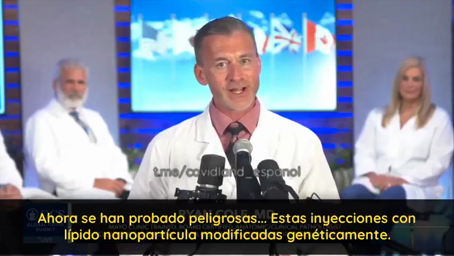 0:52 Pembicara Menuntut Pertanggungjawaban atas Keamanan Vaksin Nanopartikel Lipid
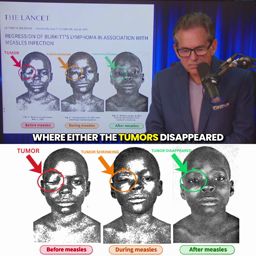 2:51 Kasus Remisi Kanker Setelah Campak dalam Studi Lancet 1971
 4:06 Klaim tentang DNA Vaksin, Penyakit Autoimun, dan Alergi Telur
 2:46 Vaksin Tetanus, Polio, dan BCG: Diskusi Risiko dan Manfaat
 2:37 Klaim tentang Bahan Vaksin dan Sawar Darah Otak
 3:46 Klaim tentang Bill Gates, Vaksin WHO, dan Infertilitas di Kenya
 1:12 Pidato Satir Mengejek Klaim Vaksin COVID dan Anthony Fauci
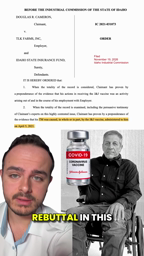 1:31 Komisi Idaho Putuskan Vaksin J&J Berkontribusi pada Kelumpuhan Pekerja
 3:03 Klaim tentang DNA Abadi, Kelenjar Pineal, dan Haritaki
 1:47 Klaim tentang Keamanan Tiga Teknologi Vaksin
 1:36 Perdebatan Vaksin Cacar Air: Keamanan, Kekebalan, dan Herpes Zoster
 iPhone app Translate videos on your iPhone Paste a TikTok, Instagram or X link, add subtitles in your language and save the video to Photos.

TranslateMom transcribes and translates videos from X, TikTok, YouTube and Instagram. Paste a link and you get a page like this one, in your language.