
Como as ideias de Gramsci influenciaram a direita política
2 min Machine translated Politics
2 min Machine translated Politics
Ele era alguém bastante cético em relação a governos comunistas.
Era extremamente cético em relação a Cuba, à União Soviética, mas era um estudioso de Gramsci.
É, e então, como você disse, Antonio Gramsci é um pensador italiano de esquerda.
Ele fez a maior parte de seu trabalho na prisão.
Mussolini, o ditador fascista, o prendeu, e ele passou a maior parte da vida escrevendo nesses caderninhos na prisão, que acabaram sendo contrabandeados para fora.
E o que ele escreveu acabou sendo, acabou sendo muito importante.
Seu pai traduziu… É, sim, sim… os livros, certo?
Ele traduziu muitos daqueles cadernos. Foi parar em todo lugar. Foi parar em todo lugar.
E o mais interessante é que a maioria das pessoas nos Estados Unidos hoje que colocaram as ideias de Gramsci em prática é de direita.
Então, veja o Breitbart, por exemplo. O Breitbart era famoso por dar muita atenção a Gramsci.
Isso não acontece só nos EUA. Na Hungria, Viktor Orbán chegou a escrever sua tese sobre Gramsci.
Agora, na Itália, neste momento, há um, há um ministro no governo Meloni que escreveu um livro inteiro sobre Gramsci.
Então, embora Gramsci fosse de esquerda, a maioria das pessoas que usaram suas ideias recentemente era de direita.
E, como sou de esquerda, acho que meu pai provavelmente se reviraria no túmulo se soubesse que foi mesmo o trumpismo que meio que se antecipou à esquerda em algumas dessas ideias.
Por exemplo, uma dessas frases atribuídas a Breitbart, “A política vem depois da cultura.”
Steve Bannon também diz isso. Esqueci qual deles disse isso primeiro.
Mas é o tipo de coisa sobre a qual Gramsci falou muito, essa ideia de hegemonia, que, que— Acho que a estratégia está certa.
Hum. Mas o objetivo final era outro.
End of transcript · 294 words · machine translated
He was somebody who was pretty skeptical of communist governments.
He was extremely skeptical of Cuba, uh, the Soviet Union, but he was a, a scholar of Gramsci.
Uh, a-and so like you said, Antonio Gramsci is a, a leftist Italian thinker.
He did most of his work in prison. Uh, Mussolini, the fascist dictator, locked him up, and he spent most of his life writing in these little notebooks in prison that eventually got smuggled out.
And what he wrote turned out to, it turned out to be pretty important.
Uh- Your father translated, uh- Uh, yeah, yeah ... the books, right?
He, he translated many of those notebooks. It went everywhere. It went everywhere.
And the really interesting thing is, most of the people in America right now who have put Gramsci's ideas into practice are on the right.
So, uh, you look at Breitbart, for example.
Breitbart was famously somebody who paid a lot of attention to Gramsci.
Now, this isn't just in the US. In Hungary, Viktor Orbán actually wrote his thesis on Gramsci.
Uh, in Italy right now, there's a, there's a minister in the Meloni government who wrote a whole book on Gramsci.
So even though Gramsci was a leftist, most of the people who have used his ideas recently have been on the right.
And as a leftist, I think my dad would probably be rolling over in his grave if he knew that it was really Trumpism that kinda beat the left to some of these insights.
For example, one of these sayings that's attributed to Breitbart, uh, "Politics is downstream from culture."
Uh, Steve Bannon says that, too. I forget which one of them said it first.
But it's the kind of thing that Gramsci talked a lot about, this idea of hegemony, that, that- I think the strategy is true.
Mm. But the end in mind was different
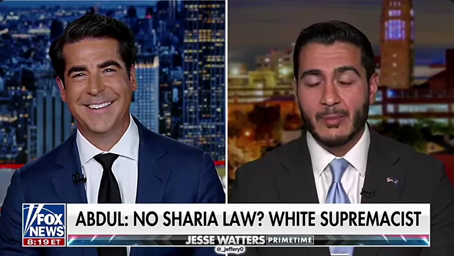 3:36 Debate sobre lei sharia, supremacia branca e liberdade religiosa nos EUA
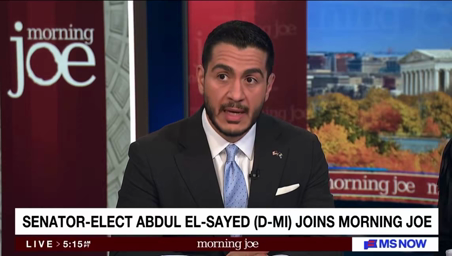 3:13 Eleito em Michigan fala sobre antissemitismo e ajuda dos EUA a Israel
 3:11 Discurso sobre força, virtude e defesa da civilização ocidental
 4:24 Eduardo Bolsonaro fala sobre eleição no Brasil e exílio da família nos EUA
 3:39 Douglas Murray e Fatima debatem a proibição do niqab na Grã-Bretanha
 3:00 Islã, esquerda e política no Ocidente: uma visão conservadora
 2:22 Eleitores discutem sobre boné Make America Great em local de votação
 4:09 Abdul é questionado sobre o IRGC, Khamenei e a democracia no Irã
 1:59 Motor City Pride: Abdul fala sobre direitos trans, inclusão e representação política
 2:49 Trump diz que ajuda de US$ 4 bilhões a Israel terminará neste ano
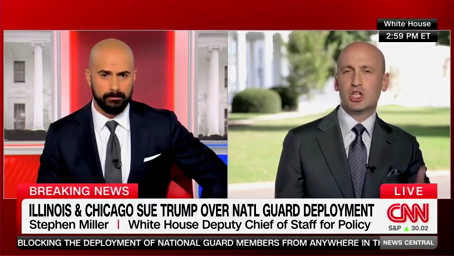 1:09 Steven nega perfilamento racial na repressão à imigração
 1:11 Vance é criticado por comentários sobre a guerra com o Irã e lealdade a Trump
 iPhone app Translate videos on your iPhone Paste a TikTok, Instagram or X link, add subtitles in your language and save the video to Photos.

TranslateMom transcribes and translates videos from X, TikTok, YouTube and Instagram. Paste a link and you get a page like this one, in your language.