
Helsinki Security Conference Examines Europe's Security and Russian Threats
2 min Machine translated Filmed in Finland
War may begin with a missile, but in Europe today this is not the only scenario that frightens decision-makers.
A cyberattack, disruption of power grids, drones, media disinformation and targeting elections. All have become parts of the new security equation. This is precisely what more than 350 officials and experts in security and defense are discussing.
Here at the fifth edition of the Helsinki Security Conference, which opens under the title “Layers of Security.” The basic idea is simple: It is no longer possible to protect a state through the military alone. Ukrainian President Volodymyr Zelenskyy summed up the experience of nearly five years of full-scale war
by saying that the state needs a modern army and a strong defense industry, in addition to strong allies.
But the Russian threat, according to the discussions, does not stop at the battlefield. Moldovan President Maia Sandu said her country recorded eight Russian violations of its airspace in just one week. Finnish President Alexander Stubb He is also looking beyond the war. He says the collapse of
trust between Russia and the West is so profound that rebuilding it, even in a post-Putin era, will be a long process. Here, the conference's questions shift from how the war in Ukraine ends to the broader question of how Europe will be secure afterward. The answer being put forward in Helsinki is not about tanks and missiles.
The conference discusses artificial intelligence, technology, the defense industry, energy security, nuclear deterrence, and relations with the United States.
From Helsinki, the message seems clear. Preparing for war no longer means only preparing to fight, but preparing for the state to continue functioning.
Al Araby TV.
End of transcript · 281 words · machine translated
الحرب قد تبدأ بصاروخ، لكن في أوروبا اليوم هذا ليس السيناريو الوحيد الذي يخيف صناع القرار.
هجوم سيبراني، تعطيل شبكات كهرباء، مسيرات، تضليل إعلامي واستهداف انتخابات. كلها باتت أجزاء من المعادلة الأمنية الجديدة. وهذا تحديدًا ما يناقشه أكثر من ثلاثمئة وخمسين مسؤول وخبير في الأمن والدفاع.
هنا في النسخة الخامسة من مؤتمر هلسنكي للأمن الذي ينطلق تحت عنوان طبقات الأمن. الفكرة الأساسية بسيطة لم يعد ممكنًا حماية دولة عبر الجيش وحده. الرئيس الأوكراني فولوديمير زيلينسكي لخص التجربة مع قرابة خمس سنوات من الحرب الشاملة بالقول إن الدولة تحتاج إلى جيش حديث وصناعة دفاعية قوية، إضافة إلى حلفاء أقوياء.
لكن الخطر الروسي وفق النقاشات لا يتوقف عند ساحة المعركة. رئيسة مولدوفا مايا ساندو قالت إن بلادها سجلت ثمانية انتهاكات روسية لمجالها الجوي خلال أسبوع واحد فقط. أما الرئيس الفنلندي ألكسندر ستوب فينظر إلى ما بعد الحرب أيضًا. يقول إن انهيار الثقة بين روسيا والغرب عميق إلى درجة أن إعادة بنائها حتى في مرحلة ما بعد بوتين ستكون
عملية طويلة. هنا تتحول أسئلة المؤتمر من كيف تنتهي حرب أوكرانيا إلى سؤال أكبر كيف ستكون أوروبا آمنة بعدها؟ الجواب المطروح في هلسنكي لا يتعلق بالدبابات والصواريخ.
المؤتمر يناقش الذكاء الاصطناعي، التكنولوجيا، الصناعة الدفاعية، أمن الطاقة والردع النووي والعلاقة مع الولايات المتحدة.
ومن هلسنكي تبدو الرسالة واضحة. الاستعداد للحرب لم يعد يعني فقط الاستعداد للقتال، بل الاستعداد لكي تستمر الدولة بالعمل.
التلفزيون العربي.
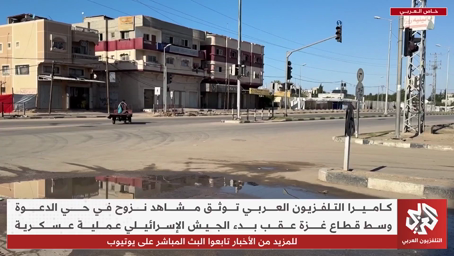 2:34 Displacement in Central Gaza as Israel Begins Military Operation
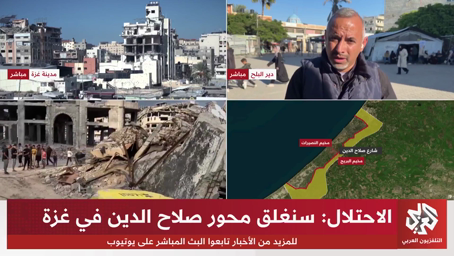 3:04 Israeli Forces Advance Near Bureij and Nuseirat, Displacing Residents
 6:51 Son of an Islah Family Shares His Experience With Ansar Allah
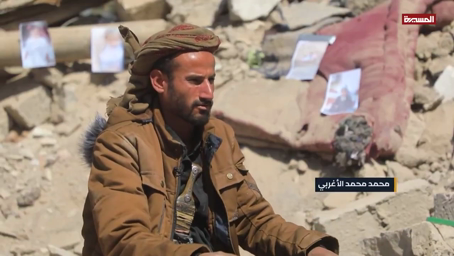 4:56 Yemeni Family Mourns 15 Relatives Killed in Airstrike on Home
 7:04 Yemen War: Blockade, Saudi Role and Calls for Dialogue
 9:15 Sunni-Zaidi Unity and Criticism of the Fighting in Yemen
 5:11 The Thursday Calamity and the Dispute Over Umar, Abu Bakr and Ali
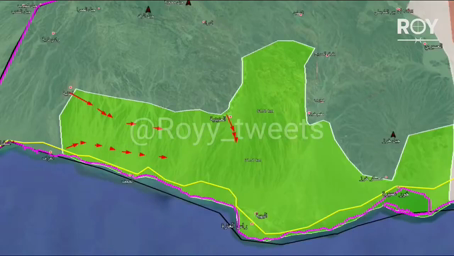 4:46 Houthi Advances on Lahj Coast and Fighting in Taiz
 7:18 Yemeni Forces Advance Toward Mount Iraf and Tur al-Baha
 5:48 Yemeni Fighters Report Advances on Raghwan Front
 7:12 Commentary on Fighting and the Retreat of Saudi-Backed Forces
 2:02 Saudi-Egyptian Marriage: Approval and Registering Children
 iPhone app Translate videos on your iPhone Paste a TikTok, Instagram or X link, add subtitles in your language and save the video to Photos.

TranslateMom transcribes and translates videos from X, TikTok, YouTube and Instagram. Paste a link and you get a page like this one, in your language.