
ميتشيو كوشي وتدفق الطاقة في الجسم: كيف تؤثر العوائق في الحيوية؟
7 min Machine translated Health
يعتقد معظم الناس أن الطاقة تأتي من الطعام.
ويظنون أن تناول المزيد والنوم أكثر، والراحة أكثر، سيمنحهم حيوية أكبر.
هذا هو الخطأ الأول. فهم ميتشيو كوشي شيئًا عن الطاقة لم يفهمه حقًا تقريبًا أيٌّ ممن درسوا على يديه.
وقد شرحه بوضوح مرارًا في المحاضرات والأحاديث الخاصة، لكن هذا الفهم لم يترسخ.
سمع الناس كلماته وأومؤوا برؤوسهم، ودوّنوا ملاحظات في دفاتر يومياتهم، لكنهم لم يفهموا.
ما علّمه كوشي هو التالي: الطاقة التي تشعر بها في جسدك لا ينتجها جسدك.
ولا تصنعها خلاياك ولا يولّدها أيضك. جسدك لا يخلق الطاقة، بل يستقبلها.
والسبب الذي يجعل معظم الناس يمضون في الحياة وهم يشعرون بالتعب، وبالخمول، وكأنهم أحياء إلى حدٍّ ما فحسب ليس لأنهم يفتقرون إلى الوقود، بل لأن القنوات التي تتدفق عبرها الطاقة مسدودة لديهم وتنساب من خلالها.
والآن، أصغوا جيدًا، لأن هنا يبدأ الالتباس.
الطاقة لا تبدأ في معدتك. ولا تبدأ في عضلاتك.
ولا تبدأ حتى في الطعام الذي تأكله. تبدأ الطاقة في اللانهاية.
إنها تبدأ في الكون نفسه، في الحركة المستمرة للتمدد والانكماش التي تحكم كل شيء.
تتمدد النجوم وتنكمش، يرتفع المد وينحسر، تمتلئ رئتاك بالهواء وتفرغان، وينبض قلبك بإيقاع.
كل ما هو موجود يتحرك في موجات، وفي دورات، وفي دوامات.
هذه الحركة هي الطاقة، وأنت، سواء أدركت ذلك أم لا، جزء من تلك الحركة.
شرح كوشي ذلك باستخدام إطار فكري وجده معظم طلابه مجردًا أكثر من أن يطبقوه.
قال إن الحياة تسير وفق ما سمّاه نظام الكون، لا نظامًا دينيًا ولا قانونًا أخلاقيًا، بل نمطًا ظاهرًا يمكن ملاحظته يمكنك رؤيته في الطبيعة إذا انتبهت.
تنمو الأشجار إلى الأعلى وإلى الخارج، وتجري الأنهار إلى الأسفل، ويرتفع الهواء الساخن ويهبط البارد.
كل شيء يتبع اتجاهًا، نزعةً، وتدفقًا. والبشر، آه، لأننا جزء من الطبيعة، يخضعون أيضًا لهذا التدفق.
لكن إليك ما لا يفهمه معظم الناس أبدًا. أنت لست نظامًا مغلقًا.
أنت لست بطارية تُشحن، آه، مرة واحدة ثم تستنزف طاقتها حتى تموت.
أنت أشبه بنهر. النهر لا يحتفظ بالماء، بل ينقله.
يتلقى الماء من الجبال، ومن المطر والروافد، ويصب الماء في المحيط.
إذا حاول النهر الاحتفاظ بالماء، يتحول إلى مستنقع، يركد ويصبح خاليًا من الحياة.
والأمر نفسه ينطبق عليك. جسدك مصمم لاستقبال الطاقة وإطلاقها في دورة متواصلة.
تستنشق وتزفر، تتناول الطعام وتتخلص من الفضلات، تمتص الانطباعات من العالم، وتُخرج الأفكار والأفعال إلى العالم من جديد، استقبال وإطلاق، تمدد وانكماش.
هذه ليست فلسفة، بل علم وظائف الأعضاء. وحين تقطع هذه الدورة، حين تحاول التشبث بالأشياء، وتكديسها وتخزينها، والسيطرة عليها، تعزل نفسك عن تدفق الطاقة، فتصاب بالركود.
والآن، أريدك أن تفكر في أمر. يقضي معظم الناس حياتهم كلها في التكديس، تكديس الممتلكات، وتكديس المعلومات، هموم متراكمة، وتوتر متراكم في أكتافهم، وضيق في صدورهم، ومشاعر لم تُهضم في أحشائهم.
يتمسكون بغضب منذ خمس سنوات. يتمسكون بالخوف من أمور لم تحدث.
يتمسكون بالحاجة إلى أن يكونوا على صواب، وأن يُعترف بهم، وأن يُصدَّقوا.
وكل هذا التمسك، آه، يسبب انسدادًا، انسدادًا جسديًا، وانسدادًا في الطاقة، وانسدادًا ذهنيًا.
كان كوشي يقول لطلابه: «إذا أردتم مزيدًا من الطاقة، فتوقفوا عن محاولة الحصول على مزيد منها.
توقفوا عن البحث عن المكمّل، أو التقنية أو الطعام السري الذي سيمنحكم الحيوية.
بدلًا من ذلك، أزيلوا العوائق، وافتحوا القنوات، ودعوا الطاقة الموجودة بالفعل في كل مكان حولكم تتدفق عبركم بحرية».
ليس عليكم أن تخلقوا هذه الطاقة، بل أن تسمحوا لها بالتدفق.
سأخبرك كيف علّمه، لأن هذا عملي، لا نظري.
لم يبدأ بالتأمل أو تمارين التنفس. بدأ بالطعام، ليس لأن الطعام يمنحك الطاقة، بل لأن الطعام هو أوضح سبيل لمعرفة إن كنت تعيش بانسجام مع التدفق أم في مواجهته.
كان يسأل: «ماذا أكلت أمس؟» ثم كان يراقب، لا يحكم ولا ينتقد، بل يراقب فحسب.
«هل أكلت أطعمة خفيفة وبسيطة، سهلة الهضم، أم أكلت أطعمة ثقيلة ومعقدة، يصعب مرورها في جهازك الهضمي؟
هل أكلت بسرعة وبتوتر، وأنت مشتت، أم أكلت ببطء وهدوء وانتباه؟»
هذه الأسئلة مهمة لأن الهضم يتطلب طاقة، قدرًا هائلًا من الطاقة.
End of transcript · 608 words · machine translated
Most people believe energy comes from food.
They think if they eat more, sleep more, rest more, they will have more vitality.
This is the first mistake. Michio Kushi understood something about energy that almost nobody who studied with him truly grasped.
He explained it clearly, repeatedly in lectures and in private conversations, but the understanding did not take root.
People heard the words, they nodded, they wrote notes in their journals, but they did not understand.
What Kushi taught is this, the energy you feel in your body is not produced by your body.
It is not manufactured by your cells or generated by your metabolism.
Your body does not create energy, it receives energy.
And the reason most people walk through life feeling tired, feeling dull, feeling half alive is not because they lack fuel, it is because they have blocked the channels through which energy flows.
Now listen carefully, because this is where the confusion begins.
Energy does not begin in your stomach. It does not begin in your muscles.
It does not even begin in the food you eat.
Energy begins in infinity. It begins in the universe itself, in the continuous motion of expansion and contraction that governs all things.
The stars expand and contract, the tides rise and fall, your lungs fill and empty, your heart beats in rhythm.
Everything in existence moves in waves, in cycles, in spirals.
This movement is energy, and you, whether you realize it or not, are part of that movement.
Kushi explained this using a framework that most of his student found too abstract to apply.
He said that life operates according to what he called the order of the universe, not a religious order, not a moral code, but a visible, observable pattern that you can see in nature if you pay attention.
Trees grow upward and outward, rivers flow downward, heat rises, cold sinks.
Everything follows a direction, a tendency, a flow.
And, uh, human beings, because we are part of nature, are also subject to this flow.
But here is what most people never understand.
You are not a closed system. You are not a battery that, uh, get charged once and then drains until it dies.
You are more like a river. A river does not hold water, it moves water.
It receives water from the mountains, from the rain, from the tributaries, and it releases water into the ocean.
If the river tries to hold the water, it becomes a swamp, it stagnates, it becomes lifeless.
The same is true for you. Your body is designed to receive energy and release energy in a continuous cycle.
You breathe in, you breathe out, you take in food, you eliminate waste, you absorb impressions from the world, you express thoughts and actions back into the world, receiving and releasing, expansion and contraction.
This is not philosophy, this is physiology.
And when you interrupt this cycle, when you try to hold on to things, accumulate things, store things, control things, you cut yourself off from the flow of energy, you become stagnant.
Now, I want you to consider something. Most people spend their entire lives accumulating, accumulating possessions, accumulating information, accumulating worries, accumulating tension in their shoulders, tightness in their chest, undigested emotions in their gut.
They hold onto anger from five years ago.
They hold onto fear of things that have not happened.
They hold onto the need to be right, to be recognized, to be validated.
And, uh, all of this holding creates blockage, physical blockage, energetic blockage, mental blockage.
Kushi would say to his students, "If you want more energy, stop trying to get more energy.
Stop looking for the supplement, the technique, the secret food that will give you vitality.
Instead, remove the obstacles, open the channels, let the energy that is already everywhere around you flow through you freely."
This is not something you need to create, it is something you need to allow.
I will tell you how he taught this, because it is practical, not abstract.
He did not begin with meditation or breathing exercises.
He began with food, not because food gives you energy, but because food is the most direct way to see whether you are living in harmony with the flow or against it.
He would ask, "What did you eat yesterday?"
And then he would observe, not judge, not criticize, just observe.
"Did you eat foods that are light, simple, easy to digest, or did you eat foods that are heavy, complicated, hard to move through your system?
Did you eat quickly, anxiously, while distracted, or did you eat slowly, calmly, with awareness?"
These questions matter because digestion requires energy, a tremendous amount of energy.
 1:03 زيت الخروع للنظر: ادعاءات عن صحة العين
 1:24 نقاش حول الموت الدماغي ومزاعم الألم أثناء استئصال الأعضاء
 1:08 نقع القدمين بملح إبسوم وخل التفاح: ادعاءات إزالة السموم
 0:55 انتقاد صناعة التبرع بالدم ودور شركات الأدوية
 1:11 تنظيم المشاعر والتسامح والامتنان
 1:23 ملفات CIA عن القدرات الخارقة: حركة العين واللسان وصحة الأعضاء
 1:37 نقع القدمين ببيكربونات الصوديوم: ادعاءات التخلص من السموم وتحسين النوم
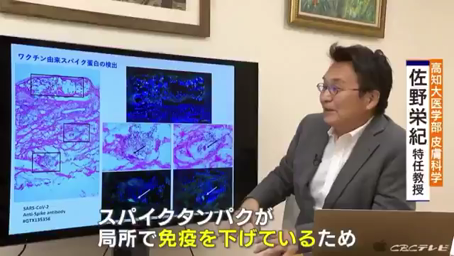 1:12 بروتين الشوكة في اللقاحات وتأثيره المحتمل على المناعة
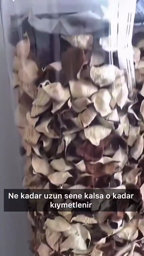 0:59 فوائد قشر اليوسفي وطريقة تجفيفه واستخدامه
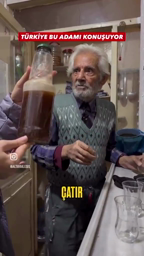 0:31 خليط الأعشاب بالورد والقراص والليمون والنعناع
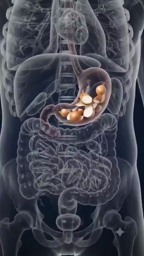 0:30 فوائد تناول البصل النيء وتأثيره على المعدة
 1:17 طريقة كتابة تأكيدات المال 70 مرة لمدة 7 أيام
 iPhone app Translate videos on your iPhone Paste a TikTok, Instagram or X link, add subtitles in your language and save the video to Photos.

TranslateMom transcribes and translates videos from X, TikTok, YouTube and Instagram. Paste a link and you get a page like this one, in your language.