
Surah Al-Hujurat: Social Ethics and Reconciliation in Islam
3 min Machine translated Faith
Surat Al-Hujurat has a complete theme. I mentioned a little while ago but perhaps we didn't go into the names of the surahs.
It's called Surat Al-Hujurat. Right? Hmm.
What does “Al-Hujurat” mean? The rooms— and its singular is “hujrah,” a room.
Yes, an area enclosed by a wall. Okay? Right.
And this wall is meant to protect you in your room.
Right or not? Or in your chamber. Now, all of Surat Al-Hujurat talks about rules that form walls protecting society.
Amazing. Yes, from the very beginning, honoring those of high standing.
Do not raise your voices above the Prophet's voice.
Respecting privacy. Most who call you from behind the rooms do not understand.
If a sinner brings news. If a sinner brings news, verify it.
If two groups of believers fight, reconcile them.
Don't leave any problem in society without taking the initiative to resolve it, even if it's small.
You have to take the initiative to make peace so the problem ends at the very, very beginning.
The believers are brothers, so make peace between your brothers.
Set our perceptions right. Hmm. That if we imagine that, that, that we are brothers, then we will certainly reconcile.
He doesn't—he said, “Believers are brothers, so make peace.”
No, because brothers disagree. Right. Isn't that so?
But brothers don't keep disagreeing. I'm upset with you today and tomorrow, but I'll see you at my brother's event, or my—my nephew's, and so on.
We'll meet, and in the end we'll reconcile. Right.
As they say, “Your way is mine, and mine is yours.”
We won't part ways. So brotherhood ends in reconciliation.
So brotherhood doesn't rule out disagreement, but it rules out continuing to disagree.
Yes. Here, the Quranic expression was remarkable.
It said, “The believers are brothers, so make peace between your brothers.”
Then it mentioned the offenses: mockery.
Yes, the overt, direct offenses, and there are three: mockery, and— and taunting, and… name-calling.
Name-calling. Then indirect abuse. Backbiting. Suspicion, backbiting, and spying. All right?
Then He says mutual understanding protects human society. All right?
And with each of these problems, He gives its solution.
And sometimes, e.g.: “Do not insult one another.”
Two words: the problem and the solution. Yeah.
Right, mockery is a problem, correct? You mock yourself, not your brother.
He tells you that mockery is indirectly causing offense, what we nowadays call little jabs. You know what I mean? Right.
He tells you this is vile, and shows how vile you are.
You can’t confront people, so you resort to— to verbal jabs.
This harms you before it harms others. So He corrected your behavior in just two words, with this Quranic expression.
Now, when you understand the surah and understand its subject, you’ll finally grasp the Bedouins’ story.
But if you don’t understand this subject, you may not be able to fit the subject of the Bedouins at the end.
That’s why paying attention to the surah’s subject will— help you understand.
End of transcript · 507 words · machine translated
سورة الحجرات لها موضوع كامل. أنا ذكرت قبل قليل بس يمكن ما توسعنا في موضوع أسماء السورة.
اسمها سورة الحجرات. صح؟ إمم. ما معنى الحجرات؟ الحجرات وواحدها حجرة. غرفة.
أيوه، الأرض المحجورة بسور. تمام؟ آه. وهذا السور يهدف أن يحميك في غرفتك.
صح ولا لا؟ أو في حجرتك. الآن سورة الحجرات كلها تتحدث عن القواعد التي تشكل سورًا تحمي المجتمع.
عجيب. أيوه، منذ البداية تقدير ذي المقام.
لا ترفعوا أصواتكم فوق صوت النبي. احترام الخصوصيات.
إن الذين ينادونك من وراء الحجرات أكثرهم لا يعقلون.
إن جاءكم فاسق بنبأ. إن جاءكم فاسق، التثبت في الأخبار.
وإن طائفتان من المؤمنين اقتتلوا فأصلحوا بينهما. الصلح.
لا تترك أي مشكلة في المجتمع دون أن تبادر بإصلاحها ولو كانت صغيرة.
لا بد أن تبادر بالإصلاح حتى تنتهي المشكلة في، في، في مطلعها.
ثم إنما المؤمنون إخوة فأصلحوا بين أخويكم.
أصلح لنا التصورات. إمم. أن إذا تصورنا أن، أن، أن، أننا إخوة فقطعًا سوف نتصالح.
هو لا-- ما قال إنما المؤمنون إخوة فلا تختلفوا.
لا، لأن الأخوة يختلفون. صحيح. صح ولا لا؟
لكن الأخوة لا يستمرون في الاختلاف. أنا اليوم زعلان عليك وبكرة زعلان عليك، بس ألتقي معك غدًا على مناسبة أخي أو بـ-- ابن أخي أو إلى آخره.
سنلتقي وفي النهاية سوف نتصالح. صحيح. مثل ما يقولون دربك علي ودربي عليك.
ما راح نتفارق. فلذلك مآل الأخوة للإصلاح.
لذلك الأخوة لا تنفي الاختلاف ولكن تنفي الاستمرار على الاختلاف.
يس. فهنا التعبير القرآني كان عجيب. قال إنما الأخوة-- المؤمنون إخوة فأصلحوا بين أخويكم.
ثم ذكر الإساءات. السخرية. إيه، الإساءات الظاهرة المباشرة وهي ثلاثة: السخرية وتـ-- والـ-اللمز و... التنابز بالألقاب.
التنابز بالألقاب. ثم ذكر الإساءات غير المباشرة.
والغيبة. سوء الظن والغيبة والتجسس. تمام؟
ثم ذكر القاعدة التي تحمي الاجتماع الإنساني وهي التعارف. تمام؟
وكل مشكلة من هذه المشكلات يأتي بحلها. وأحيانًا شوف مثلًا ولا تلمزوا أنفسكم.
كلمتين فيها المشكلة وفيها الحل. آه. إيه، اللمز مشكلة، صح؟
نفسك، أنت تلمز نفسك، لا تلمز أخاك. هو يقول لك لأن اللمز هو الإساءة بطريقة غير مباشرة اللي نسميه اليوم حنا نغزات. عرفت ولا لا؟ صحيح.
فأنت يقول لك هذه دناءة، تدل على دنائتك. أنت لا تستطيع أن تواجه الناس، فتلمز بـ-بالكلام.
هذا يسيء لك قبل الآخرين. فصحح لك الفعل بس بكلمتين فقط بهذا التعبير القرآني.
شفت أنت الآن لما تفهم السورة وتفهم موضوعها، في النهاية راح تفهم قصة الأعراب في النهاية.
لكن لو ما فهمت الموضوع هذا ربما لا تستطيع أن تكيف موضوع الأعراب في النهاية.
فلذلك الانتباه لموضوع السورة سـ-- يعينك على الفهم.
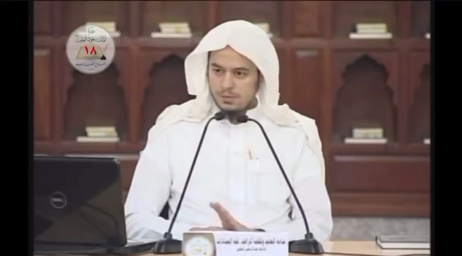 0:54 The Maghrib Prayer Hadith and the Burned Manuscript Story
 2:53 The Accusation That Muhammad ibn Abd al-Wahhab Declared Muslims Unbelievers
 2:11 Greetings to Hussein and Ahl al-Bayt, and a Discussion of Abu Bakr and the Mahdi
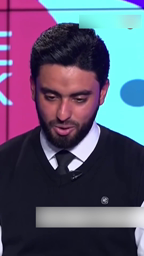 2:10 Lowering the Gaze and Good Character: Advice for Young People
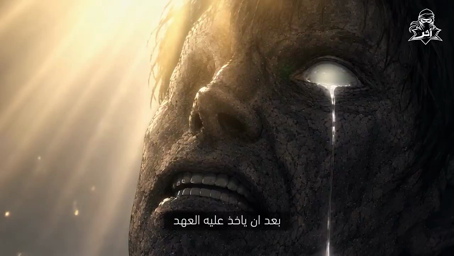 1:58 The Last Man to Leave Hell and Enter Paradise
 2:16 Criticism of a Fatwa on Killing Kharijites and Labeling Unity Advocates
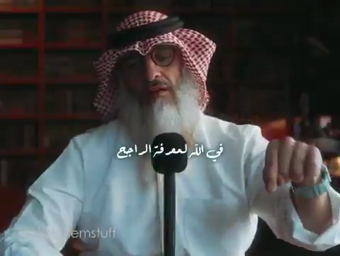 4:01 Islamic Law: The Preferred Madhhab View vs. the Strongest Evidence
 1:34 Men of Fajr Initiative and the Debate Over Children Attending Dawn Prayer
 2:04 What Is Sufism? Faith and Ethics Beyond Outward Displays
 1:50 Criticism of Twelver Shia Beliefs About Ali and the Companions
 1:30 Narratives of the Companions of the Cave, Imam Ali, and Imam Husayn
 1:48 Debate on Shia Beliefs and Invoking the Prophet’s Family
 iPhone app Translate videos on your iPhone Paste a TikTok, Instagram or X link, add subtitles in your language and save the video to Photos.

TranslateMom transcribes and translates videos from X, TikTok, YouTube and Instagram. Paste a link and you get a page like this one, in your language.