
Florida'da Learjet 60 kazası: Uçak neden kontrolden çıktı
3 min Machine translated Crime & incidents
3 min Machine translated Crime & incidents
Pilotlar kötü havayı çoktan fark etmişti, ondan uzaklaşmaya çalışıyorlardı. ve ondan uzaklaşmaya çalışıyorlardı.
Peki bu jet neden otuz beş bin feetin üzerinden alçalmaya başladı yaklaşık bir dakikada sekiz bin yedi yüz elli feete kadar?
Ne olduğunu yeniden kuralım ve ayrıntıları inceleyelim.
Bir Kasım'da bir Learjet 60, Teksas'tan Bahamalar'a uçuyordu.
Florida üzerinde, kırk bir bin feetten otuz beş bin feete alçaldı.
Şöyle bir durum var: Fırtına yalnızca yağmurdan ibaret değildir.
Şiddetli yükselici ve alçalıcı hava akımları, bir uçağı aniden yukarı ya da aşağı savurabilir, uçaktaki hava radarı çoğunlukla yağmuru görür, tehlikeli her türbülansı değil.
Hava durumu şirketi MyRadar'ın tahminine göre, yakındaki bir fırtınanın tepesi yaklaşık yirmi dakikada otuz üç bin feetten kırk sekiz bin feete yükseldi.
Bu zirve değeri kazadan sonra ölçüldü, ama gökyüzünün ne kadar hızlı değiştiğini gösteriyor.
Jet uçmaya devam etti. Mürettebat orta şiddette türbülans olduğunu, dışarının eksi kırk yedi derece olduğunu bildirdi, ve buzlanmayla uğraştıklarını söyledi.
Daha ileride daha sakin bir irtifa olup olmadığını hava trafik kontrolüne sordular.
Buzlanma neden tehlikelidir? Mesele ağırlık değil.
Kanatta buz biriktiğinde, kanadın şeklini değiştirir, hava akışını bozar ve uçağın stall olma olasılığını artırır.
İşin tuhaf yanı şu: Mürettebat şeffaf buz bildirdi, bu da genellikle aşırı soğumuş sıvı damlacıklardan oluşur.
Ama eksi kırk yedi derecede bu damlacıklara çok nadir rastlanır.
Şeffaf buz bildirmelerinin nedeni henüz bilinmiyor.
Kısa süre sonra mürettebat yağışa girdiklerini söyledi ve otuz yedi bin fite tırmanmak istedi.
Kontrolörler onayladı, ama daha yükseğe çıkmak her zaman daha güvenli değildir.
Her uçağın bir hız aralığı vardır, bir alt ve bir üst sınırı.
Alt sınır, stol hızıdır. Uçağı havada tutmak için kanatların üzerinden hava akması gerekir.
Ne kadar yükselirsen hava o kadar seyrekleşir, bu yüzden yeterince hava yakalamak için daha hızlı uçmalısın.
Tırmandıkça asgari hızın yükselir. Üst sınır, ses hızına yakındır.
Fazla yaklaşırsan kanatta şok dalgaları oluşur.
Uçak sarsılır ve burnu aşağı iner. Çizgilerden biri yükselirken diğeri alçalır.
Yüksek irtifalarda aralarındaki fark daralır.
İki çizginin neredeyse birleştiği noktaya pilotlar bir ad verir: Tabut Köşesi.
Bu, bu jetin tabut köşesinde olduğu anlamına gelmez, ama yüksek irtifalara tırmanırken tepemizdeki havadan fazlasını düşünmek gerektiğini gösterir.
Tırmanış onaylanır onaylanmaz, jet kısa süre yükseldi, sonra sertçe sağa yattı ve hızla alçalmaya başladı.
Telsizden bir imdat çağrısı geldi. Mürettebat dakikada on bin, sonra yirmi bin fit alçaldıklarını bildirdi, aşırı hız yaptıklarını ve dik bir yatışta olduklarını da.
Böyle ani bir dönüş ve alçalma, insanlara stall'ı düşündürür.
Stall, motorların durması değildir. Kanadın havayla çok dik bir açıyla karşılaşmasıdır.
Hava akışı kanattan ayrılır, kaldırma kuvveti çöker, ve uçak kontrolden çıkabilir.
Burun aşağı bakmaya başladığında, bir jet inanılmaz hızla ivmelenir.
Tasarım sınırını aşınca, kanatta şok dalgaları oluşur.
Kaldırma kuvveti geriye kayar, ve burun daha da sert biçimde aşağı çekilir.
Pilotların uçağı toparlaması gerekir, ama fazla sert çekiştirirlerse gövde buna dayanamaz.
Fazla nazik çekersen hızı yakalayamazsın.
Ama bunun bir stall mı olduğu yoksa bu şekilde mi kontrolden çıktığı, yalnızca kamuya açık takip verilerinden belirlenemez.
Peki normal bir uçuşu kontrol edilemez bir dalışa ne sürükledi hem de yaklaşık bir dakikada?
Araştırmacıların şimdi yanıtlaması gereken soru bu.
Uçakta dokuz kişi vardı. Hiçbiri kurtulamadı.
Düşüncelerimiz aileleriyle. Beni takip et, sıradakini de açıklayayım.
End of transcript · 506 words · machine translated
The pilots had already spotted the bad weather, and they were trying to get away from it.
So why did this jet drop from over thirty-five thousand feet to eight thousand seven hundred and fifty feet in about a minute?
Let's rebuild what happened and break it down.
On November first, a Learjet 60 was flying from Texas to The Bahamas.
Over Florida, it came down from forty-one thousand feet to thirty-five thousand feet.
Here's the thing: A thunderstorm isn't just rain inside it.
Violent updrafts and downdrafts can shove a plane up or down without warning, and onboard weather radar mostly sees rain, not every dangerous gust.
The weather company MyRadar estimates that a nearby storm's top grew from thirty-three thousand feet to forty-eight thousand feet in about twenty minutes.
That peak was measured after the crash, but it shows how fast the sky was changing.
The jet flew on. The crew reported moderate turbulence, minus forty-seven degrees outside, and said they were dealing with ice.
They asked air traffic control if there was a smoother altitude ahead.
Why is ice dangerous? It's not the weight.
When ice builds up on a wing, it changes the wing's shape, messes up the airflow, and makes a stall more likely.
And here's something odd: The crew reported clear ice, which usually forms from supercooled liquid droplets.
But at minus forty-seven, those droplets are extremely rare.
Why they reported clear ice, nobody knows yet.
Soon after, the crew said they'd hit precipitation and asked to climb to thirty-seven thousand feet.
Controllers approved it, but higher isn't always safer.
Every plane has a speed window, a minimum and a maximum.
The minimum is stall speed. Wings need air rushing over them to hold the plane up.
The higher you go, the thinner the air, so you have to fly faster to grab enough of it.
Climb, and your minimum speed creeps up.
The maximum is about the speed of sound.
Get too close, and shock waves form on the wing.
The plane shakes and pitches down. One line rises, the other comes down.
Up high, the gap gets narrow. Where the two lines nearly touch, pilots have a name for it: The Coffin Corner.
That doesn't mean this jet was in the coffin corner, but it shows that climbing up high means thinking about more than just the weather overhead.
Right after the climb was approved, the jet rose briefly, then banked hard to the right and started dropping fast.
A mayday came over the radio. The crew reported descending ten thousand, then twenty thousand feet per minute, an overspeed, and a steep bank.
A sudden turn and drop like that makes people think of a stall.
A stall isn't the engines quitting. It's the wing meeting the air at too steep an angle.
The airflow peels off, lift collapses, and the plane can go out of control.
And once the nose is pointing down, a jet picks up speed incredibly fast.
Past its design limit, shock waves form on the wing.
The lift shifts backward, and the nose gets pulled down even harder.
The pilots have to pull out, but pull too hard and the airframe can't take it.
Pull too gently, and you can't catch the speed.
But whether this was a stall or whether it unraveled this way can't be determined from public tracking data alone.
So what turned a normal flight into an uncontrollable dive in about a minute?
That's the question investigators now have to answer.
Nine people were on board. None of them survived.
Our thoughts are with their families. Follow me, I'll break down the next one too.
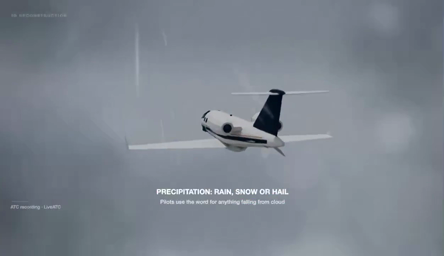 1:29 Florida'da Uçak Acil Durumu: Türbülans Sonrası 26.000 Feet Dalış
 6:36 Florida Uçak Kazası Görüntülerinde Kanat ve Piksel Analizi
 4:48 Larissa Portnoff'tan Donald Trump'a cinsel istismar ve tanık sindirme iddiaları
 3:54 Titanik Kazasından Kurtulan Yolcu Batışı ve Carpathia ile Kurtuluşunu Anlatıyor
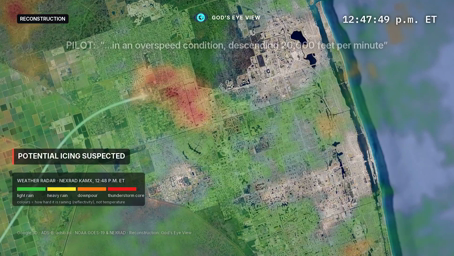 0:40 Mayday Çağrısı: Uçak Aşırı Hızla Dakikada 20 Bin Fit Alçalıyor
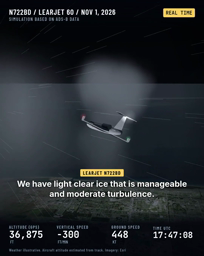 0:49 Pilottan Mayday Çağrısı: Freeport’a Dönüşte Acil Alçalma
 2:33 Kocası Tarafından Vurulan Kadın, Affetmeyi ve Yüz Naklini Anlatıyor
 3:36 Abdul El-Sayed ve Jesse Watters Şeriat Yasaklarını Tartışıyor
 7:53 Erkek Üstünlüğü, Ataerkillik ve Kadınların Zekâsı Tartışması
 5:07 Irkçılık, Stereotipler ve Nick Fuentes Üzerine Tartışma
 7:37 Holokost İnkârı, Antisemitizm ve Gazze Üzerine Tartışma
 2:00 Trump, İran Savaşı ve Ara Seçimlerdeki Mavi Dalga Üzerine Siyasi Hiciv
 iPhone app Translate videos on your iPhone Paste a TikTok, Instagram or X link, add subtitles in your language and save the video to Photos.

TranslateMom transcribes and translates videos from X, TikTok, YouTube and Instagram. Paste a link and you get a page like this one, in your language.