
Cómo se unieron dos mitos de origen israelitas en la Torá
2 min Machine translated Faith
2 min Machine translated Faith
La idea principal es que los antiguos israelitas originalmente tenían dos mitos de origen distintos, uno sobre los tres patriarcas, Abraham, Isaac y Jacob, y el otro sobre Moisés y la historia del Éxodo.
Según esta nueva teoría, estas dos tradiciones literarias se desarrollaron de forma independiente y permanecieron separadas hasta que se combinaron por primera vez por el escritor sacerdotal.
Así que D, que obviamente se basa en la tradición de Moisés, se puso por escrito primero durante el reinado del rey Josías.
Pero, al mismo tiempo que D, así como tanto antes como después de D, circulaban otros fragmentos de texto, algunos de los cuales se basaban en la tradición de Moisés, pero otros se basaban en la tradición de Abraham, Isaac y Jacob.
Luego, en algún momento del período del Segundo Templo, un grupo de sacerdotes que vivía en Jerusalén decidió, por primera vez, combinar las dos tradiciones literarias en una sola narración coherente.
Tomaron fragmentos de ambas, de la historia de los patriarcas y de la historia de Moisés.
Estas son las secciones que antes se etiquetaban como J y E. Y luego las entretejieron con su propio texto, las partes etiquetadas como P. Por último, alguien en una etapa aún posterior, el redactor, o R, añadió unas cuantas cosas finales,
añadió Deuteronomio al final y, voilà, nació la versión final de la Torá.
Esta tercera teoría me parece muy convincente.
Explica por qué la transición entre Génesis y Éxodo parece tan abrupta, y por qué hay varios problemas cronológicos a la hora de determinar cuánto tiempo estuvieron los israelitas en Egipto.
En mi opinión, todo lo anterior a la monarquía dividida pertenece de todos modos a la categoría del mito y la leyenda, así que no veo ningún problema con la idea de que hubiera dos conjuntos distintos de leyendas que se desarrollaran, en vez de uno solo.
De hecho, teniendo en cuenta que los antiguos israelitas eran originalmente dos reinos separados, tiene más sentido, en realidad, que hubiera dos relatos de origen distintos, no solo uno.
End of transcript · 342 words · machine translated
The main idea is that the ancient Israelites originally had two separate origin myths, one involving the three patriarchs, Abraham, Isaac, and Jacob, and the other involving Moses and the Exodus story.
According to this new theory, these two literary traditions developed independently from each other and remained separate until they were combined for the first time by the priestly writer.
So D, which is obviously based on the Moses tradition, was written down first during the time of King Josiah.
But at the same time as D, as well as both before and after D, there were other fragments of text floating around, some of which were based on the Moses tradition, but others of which were based on the Abraham, Isaac, and Jacob tradition.
Then, sometime during the Second Temple period, a group of priests living in Jerusalem decided, for the first time ever, to combine the two literary traditions into a single coherent narrative.
They took bits from both the patriarchs story and bits from the Moses story.
These are the sections that were previously labeled J and E. And then they interwove them with their own text, the parts labeled P. Finally, someone at an even later stage, the redactor, or R, added a few final things, tacked Deuteronomy onto the end, and voila,
the final version of the Torah was born.
This third theory makes a lot of sense to me.
It explains why the transition between Genesis and Exodus seems so abrupt, and why there are several chronological problems when it comes to dating how long the Israelites were in Egypt.
In my view, everything prior to the divided monarchy falls into the category of myth and legend anyway, and therefore I see no problem with the idea of two separate sets of legends developing instead of just one.
In fact, considering that the ancient Israelites were originally two separate kingdoms, it actually makes more sense that there would be two separate origin stories, not just one.
 4:59 Prepararse para el cambio con fe y provisiones
 3:00 Debate entre musulmán y cristiano sobre la Trinidad y el monoteísmo
 3:00 Debate sobre el Corán, los Evangelios y la divinidad de Jesús
 1:46 El sufrimiento infantil y la idea de derrotar a Dios
 0:52 Profecías sobre las naciones y el genocidio cultural
 2:05 El número tres en la Biblia y la obra consumada de Cristo
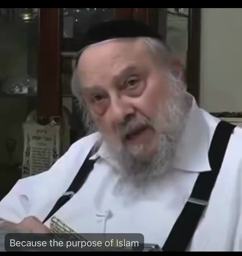 0:46 Islam y cristianismo: la teoría de un conflicto para proteger a los judíos
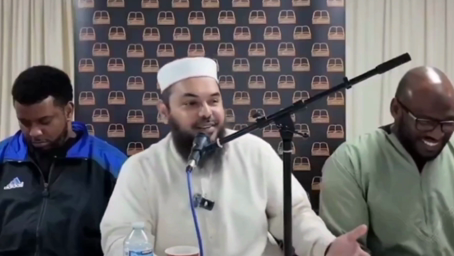 0:48 Un orador predice un futuro musulmán para Europa, Estados Unidos y Rusia
 1:14 Por qué los elegidos enfrentan dificultades en el trabajo y el amor
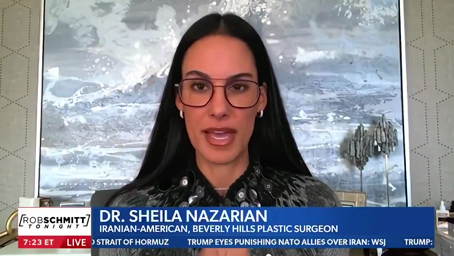 1:11 Una médica habla del Corán, la sharía y la huida de su familia de Irán
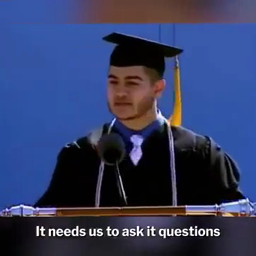 0:50 Compartir historias y superar las divisiones religiosas
 1:13 Crítica a una profecía del Zóhar sobre la caída de las naciones occidentales
 iPhone app Translate videos on your iPhone Paste a TikTok, Instagram or X link, add subtitles in your language and save the video to Photos.

TranslateMom transcribes and translates videos from X, TikTok, YouTube and Instagram. Paste a link and you get a page like this one, in your language.