
Organ Donation, Brain Death, and Ethical Concerns
3 min Health
Well, there's been people that they brought to the morgue that came back to life.
That's crazy, I know. That they thought were dead and weren't dead.
They just had such a low heartbeat that- Voodoo ... they just assumed they were dead.
Uh, some people just get to the door and don't go through and pop back out. But there's another problem.
The problem is organ donors. You know, um, in order for you to do- donate your organ, you have to actually be alive.
So, the way they donate organs is like if you die in a car accident and then they bring you to the hospital, he's been dead for two hours, they're not donat- donating any organs. Oh, really? What?
You have to be alive. Oh, I thought that was the whole thing.
Yeah, I thought- They can take my, they can take my dead organs.
Yeah, that's what you think. Yeah. And so this is the problem, is if they want those organs and they're pretty sure you're gonna die and you're not gonna make it, the question- They take them out of you while you're alive. The question is, who makes the call?
And there have been times where people said, "No, you're not gonna do this."
And then the person survives. Where they wanted to make the call and start harvesting organs.
This person's dying, they're not gonna make it, but we would like his kidney.
It matches this guy who's- Is it 'cause they need them, like, I guess if you die, they start to rot immediately, right?
That's all speculation. I don't know why, you know, I don't know what the thing is, but- It's like hostile.
But what happens is you have to be alive when they're actually pulling those organs.
My brother-in-law has- So they'll say you're brain dead.
And maybe a lot of people are brain dead. I am.
And look, I have a friend of mine who has a fake heart.
Or not, excuse me, not a fake heart. He got a heart from somebody else.
He got a donated heart. So it's like, it really helps people.
Yeah, my brother-in-law has, uh, my brother-in-law has two lungs.
He has transplanted lungs. Cold preservation. Wow.
Typical windows between organ recovery and transplantation.
So this is right after they pull them out of the body.
They have to do it very quickly. But when they pull them out of the body, I believe you have to actually be alive. Yeah, yeah.
It's the, they can't be oxygen deprived, it says.
Right. Okay, so what does it say? The kidney transplant is usually like both people there, right?
Yeah, they just take one out and put it in.
That's a, that's if you're like, you're white, like George Lopez, his wife donated a kidney to him.
So there's one cutoff. The key is whether the organs are still getting oxygen, not simply how long the person has been declared dead.
The biggest distinction between the organs left without circulation and organs that a doctor promptly recover and preserve for transplant.
So if like at the moment where your heart stops beating, they get it out of you, they can probably use it.
But this idea that like you could be dead and then they bring you to the morgue and then they can take your organs, that's not how it works.
I, I signed up to be a organ donor because I assumed that it was like you get into a car accident, you're dead, they can, you can give your organ, organs away.
But now it's like, do they, you think they really give the 110%? Like, can I take that back?
You're like, "Don't cut me open." Yeah. And then they just hold your license up to you.
How do I scratch that off my license? Sorry, bro. Yeah, that's what I'm afraid of.
I mean, I'm not accusing anybody of doing this, but- Yeah ... when you are, when you have a thing where you can profit from it, you run into like weird gray areas where people can make subjective calls.
They can make a decision whether or not you live or die.
And they might be wrong. They might be right 99 times out of 100, but that one time, if that's your niece-
End of transcript · 734 words
 2:20 Concerns Over Smallpox Vaccine Deployment
 2:55 Study Links Carbon Nanodots to Soft Drinks
 1:28 Debate on Vaccines and Autism
 1:38 Debate on Statins Effectiveness
 1:46 Pumpkin Seed and Black Seed Recipe for Prostate Symptoms
 1:50 How to Stop Overthinking: Breathing, Observing Thoughts and Chanting
 2:43 Metabolic Health and Weight Loss With Diabetes or Fatty Liver
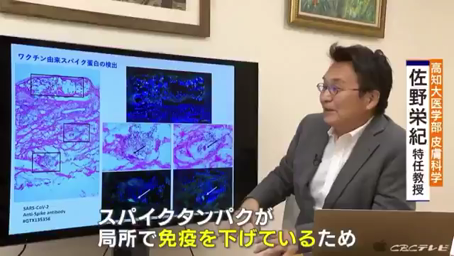 1:12 Professor Discusses Vaccine Spike Protein, Side Effects and Immunity
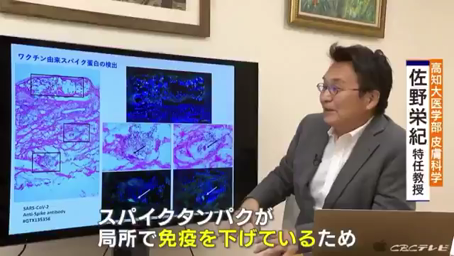 1:12 Professor's Claims About COVID-19 Vaccines, Spike Protein and Immunity
 0:48 Challenges of Developing Influenza and HIV Vaccines
 0:41 Claims About the Pineal Gland, Hormones and LGBTQ Identity
 0:52 Discovering a Free Qigong Class in China
 iPhone app Translate videos on your iPhone Paste a TikTok, Instagram or X link, add subtitles in your language and save the video to Photos.

TranslateMom transcribes and translates videos from X, TikTok, YouTube and Instagram. Paste a link and you get a page like this one, in your language.