
Un ciberataque similar a la COVID-19: cómo podría propagarse
2 min Machine translated Tech & science
2 min Machine translated Tech & science
La pandemia de COVID-19 ha sacudido nuestras economías y sociedades hasta los cimientos y nos ha mostrado lo vulnerables que somos ante las amenazas biológicas.
En el mundo digital, riesgos similares están siendo ignorados ahora mismo.
Un ciberataque con características similares a las del COVID se propagaría más rápido y más lejos que cualquier virus biológico.
Su tasa de reproducción sería unas diez veces mayor que la que hemos experimentado con el coronavirus. Para que se hagan una idea, uno de los gusanos más rápidos de la historia, el gusano Slammer Sapphire de 2003, duplicaba su tamaño aproximadamente cada ocho punto cinco segundos, e infectó a más de
75.000 dispositivos en diez minutos y casi once millones de dispositivos en veinticuatro horas.
Afortunadamente, al menos hasta ahora, los ciberataques no han afectado a nuestros la salud de la forma en que lo han hecho las pandemias, pero los daños económicos, y, por lo tanto, el impacto que han tenido en nuestra vida diaria ha sido igual y a veces aún mayor. Verán, la única forma de detener la propagación exponencial
de una ciberamenaza similar a la COVID es desconectar por completo los millones de dispositivos vulnerables entre sí y de internet, todo esto en cuestión de días. Un solo día sin internet costaría a nuestras economías más de cincuenta mil millones de dólares estadounidenses y eso antes de
considerar los daños económicos y sociales si estos dispositivos estuvieran conectados a servicios esenciales como el transporte o la atención sanitaria.
A medida que el mundo digital se fusiona cada vez más con nuestro mundo físico, los efectos en cadena de los ciberataques sobre nuestra seguridad no dejan de expandirse a un ritmo más rápido ritmo de lo que nos estamos preparando.
La COVID-19 era un riesgo previsto. Su equivalente digital también. Preparémonos mejor para ese.
El momento es ahora.
End of transcript · 310 words · machine translated
The COVID-19 pandemic has shaken our economies and societies to the core and shown us how vulnerable we are to biological threats.
In the digital world, similar risks are being overlooked right now.
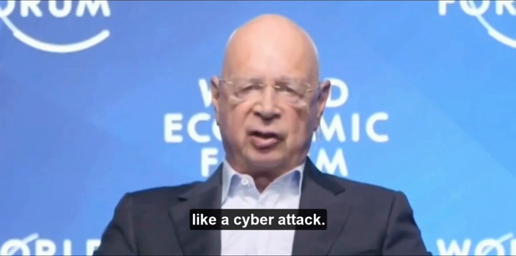
A cyber attack with COVID-like characteristics would spread faster and further than any biological virus.
Its reproductive rate would be around ten times greater than what we've experienced with the coronavirus. To give you an idea, one of the fastest worms in history, the two thousand and three Slammer Sapphire worm, doubled in size approximately every eight point five seconds, infecting over
seventy-five thousand devices in ten minutes and almost eleven million devices in twenty-four hours.
Fortunately, at least until now, cyber attacks have not impacted our health the way pandemics have, but the economic damages, and therefore the impact they have had on our daily lives, have been equal and sometimes even greater. You see, the only way to stop the exponential
propagation of a COVID-like cyber threat is to fully disconnect the millions of vulnerable devices from one another and from the internet, all of this in a matter of days. A single day without the internet would cost our economies more than fifty billion US dollars, and that's before
considering the economic and societal damages should these devices be linked to essential services such as transport or healthcare.
As the digital realm increasingly merges with our physical world, the ripple effects of cyber attacks on our safety just keep on expanding at a faster pace than what we're preparing for.
COVID-19 was known as an anticipated risk.
So is the digital equivalent. Let's be better prepared for that one.
The time is now.
 1:37 Visión remota de 3I/ATLAS: supuesta tecnología alienígena y soldados dormidos
 0:57 Cómo los agentes de IA podrían usar criptomonedas y acelerar el desarrollo de billeteras
 4:58 Cómo ejecutar modelos de IA locales desde un USB en Windows
 0:48 El Gran Reinicio, los riesgos de ciberataques y la COVID-19
 0:32 Por qué los coches voladores necesitan impulsar aire hacia abajo
 1:43 Cómo llenar una bolsa larga con un soplo usando el principio de Bernoulli
 4:47 Candidato musulmán al Senado rechaza a los Hermanos Musulmanes y defiende la Constitución
 2:41 Hombre se niega a identificarse durante investigación policial
 1:46 Afirmaciones sobre la COVID-19, los biolaboratorios ucranianos y la guerra
 1:42 Issa Casajuha se disculpa por comentarios en un mitin en UTSA
 2:52 Un votante de Trump sueña con enfrentarlo por sus promesas incumplidas
 1:12 Manuel Ferrara, consejos de intimidad y rodajes para adultos en Japón
 iPhone app Translate videos on your iPhone Paste a TikTok, Instagram or X link, add subtitles in your language and save the video to Photos.

TranslateMom transcribes and translates videos from X, TikTok, YouTube and Instagram. Paste a link and you get a page like this one, in your language.