
Jewish-Christian Dialogue: Differences and the Historical Jesus
2 min Machine translated
2 min Machine translated
For us, the relationship with Judaism is fundamental, but it is asymmetric, in the sense that we Christians need Judaism to understand the roots from which the Christian story was born— they do not need us.
Yet I think it is valuable, right? I mean, um, to hold on to these questions and also the struggle, because there is a substantial difference, you were saying, right?
Of course. We are different, we are decidedly different. It is true that it is an asymmetric relationship.
First of all, we Catholics have, how shall I put it, a, a structure, uh, that Judaism does not have.
In Judaism, there is no central authority.
So you will always find open-minded Jews with whom dialogue is fantastic, wonderful, while others— who are absolutely not interested, others who, um, simply don't want anything to do with the Christian world for religious reasons, historical reasons, the Shoah and so on,
um, the persecutions. So it will rem— it will always be this way. The expectation of having an equal relationship cannot work because they are two completely different structures. But that doesn't mean one cannot engage in dialogue.
We engage in dialogue with those who are open.
Of course, also because in recent decades, research, for example, Jewish exegesis has focused some attention on the historical Jesus, right?
I mean, I think more than in the past...
Absolutely. When I was studying the Bible at the Hebrew University, there was a Department of Christian Studies.
In my Department of Biblical Studies, um, where, um, there was, there were courses on the New Testament And, and how, uh, and it was imp— for them, it was very interesting to see how the New Testament helped understand the Judaism of the time, the traditions of the time, and so on, you know.
Um, and also about the person of Jesus. There are many... books published in Hebrew by Jews for Jews about the figure of Jesus, some polemical, others interesting, others, uh, that, let's say, have their own perspectives.
But there is interest, certainly. Certainly.
End of transcript · 348 words · machine translated
Il rapporto con l'ebraismo per noi è fondamentale, ma è asimmetrico, nel senso che noi cristiani abbiamo bisogno dell'ebraismo per capire le radici dalle quali è na-è nata la, la vicenda cristiana, loro non han bisogno di noi.
Eppure credo che sia prezioso, no? Cioè, ehm, custodire queste domande e anche la fatica, perché poi c'è una diversità sostanziale, dicevi tu, no?
Certo. Noi siamo diversi, siamo decisamente diversi. È vero che è un rapporto asimmetrico.
Innanzitutto noi cattolici abbiamo, come dire, un, una struttura, eeeh, che l'ebraismo non ha.
Nell'ebraismo non c'è un'autorità centrale.
Per cui tu troverai sempre ebrei aperti col quale il dialogo è fantastico, meraviglioso, altri invece che-- ai quali non interessa assolutamente, altri che invece, ehm, proprio non vogliono avere a che fare col mondo cristiano per motivi religiosi, per motivi storici, la Shoah e così via,
eh, le persecuzioni. Per cui rest-- sarà sempre così. La pretesa di avere un rapporto paritario non può funzionare perché sono due strutture completamente diverse. Questo però non significa che non si possa dialogare.
Si dialoga con chi è aperto. Certo, anche perché negli ultimi decenni la ricerca, per esempio, esegetica ebraica, ha messo una parte di attenzione sul Gesù storico, no?
Cioè credo che più di un tempo... Assolutamente sì. Quando io studiavo Bibbia nella Università Ebraica c'era il Dipartimento di Studi Cristiani.
Nel mio Dipartimento di Studi Biblici, eh, dove, eh, c'era, c'erano corsi sul Nuovo Testamento e, e come, eh, ed era imp-- per loro era molto interessante vedere come il Nuovo Testamento aiutava a comprendere il giudaismo del tempo, le tradizioni del tempo e così via, ecco.
Ehm, e anche sulla figura di Gesù. Sono tanti i libri usciti in ebraico da ebrei per ebrei sulla figura di Gesù, alcuni polemici, altri interessanti, altri, eh, che vanno, diciamo, hanno le loro prospettive.
Però c'è un interesse, certamente. Certo.
 0:49 Criticism of Milan Judge's Decision Not to Uphold Youssef Siher's Arrest
 1:33 Elena Discusses Friendship and Emotional Distance
 2:40 Toxic Relationships and Therapy: Learning to Care for Yourself
 3:00 Grande Fratello: Barsi Apologizes to Megan for Sexist Comments
 0:06 A kiss for her husband or cheese? A playful mix-up
 0:35 An apology to Megan and the limits of joking
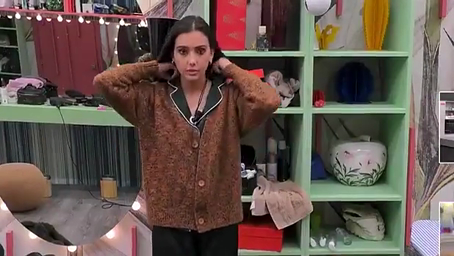 2:15 Discussion about Nanì, gossip and an unwanted relationship
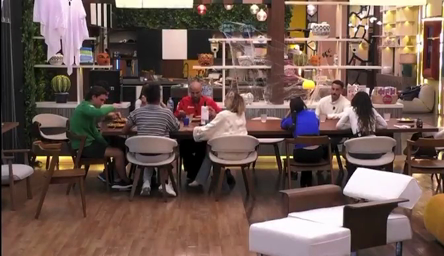 0:19 Calling Megan an Ornament and Comforting People Who Cry
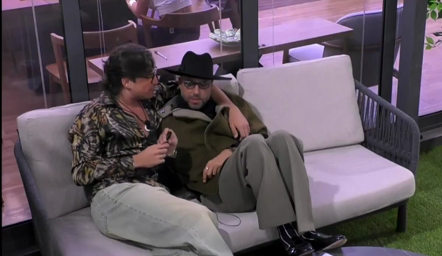 0:18 Talking About Sexual Desire and a Possible Connection
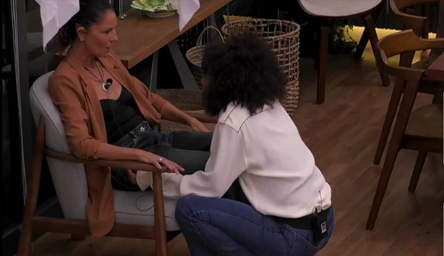 1:13 The misunderstanding about Gianni’s questions
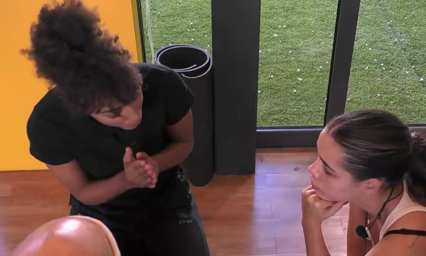 0:30 Treatment on Italian TV: Why She Won't Let It Pass
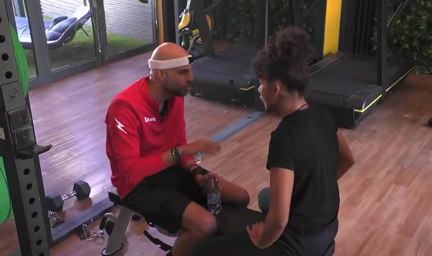 1:12 An Offensive Word and Clearing Up a Misunderstanding
 iPhone app Translate videos on your iPhone Paste a TikTok, Instagram or X link, add subtitles in your language and save the video to Photos.

TranslateMom transcribes and translates videos from X, TikTok, YouTube and Instagram. Paste a link and you get a page like this one, in your language.