
Almirante Byrd fala sobre a Antártida inexplorada e os polos
2 min Machine translated History & how-to
2 min Machine translated History & how-to
Nosso ilustre convidado desta noite é o almirante Richard E. Byrd.
O Polo Norte já foi terra de ninguém, mas hoje em dia, comprando passagem aérea comercial, você sobrevoa o Polo Norte e tomar um coquetel ao mesmo tempo.
Mas há apenas três score ou mais anos, há cerca de 35 anos, nosso convidado desta noite descobriu se havia alguma terra ao norte do continente norte- americano.
Ele fez aquele primeiro voo de descoberta, e devo dizer que o almirante Byrd, nosso convidado desta noite, não é apenas nosso maior explorador vivo, como também inspira incontáveis americanos.
Almirante Byrd, o senhor esteve nos dois Polos Norte e Sul.
Ainda há alguma terra inexplorada neste planeta que possa atrair jovens americanos aventureiros?
Ah, sim, há. E não lá no alto, no Polo Norte, porque está ficando lotado por lá agora, porque descobriram que é realmente aproveitável, não só para viver, mas militarmente.
Mas, por incrível que pareça, ainda há no mundo hoje uma área do tamanho dos Estados Unidos que nenhum ser humano jamais viu, e que fica além do polo , do outro lado do Polo Sul de Little America.
E é, ah, acho bastante espantoso que haja uma área tão grande ainda inexplorada.
É tremendo— Então ainda há muita aventura lá no extremo sul do mundo.
Bem, almirante, espera ver isso? Espero. Ver, ir.
Almirante, se posso perguntar, há uma grande diferença entre o ah, topo do mundo e o fundo do mundo?
Ah, há. Agora, o Polo Norte fica no centro de um oceano com 10.000 pés de profundidade.
O Polo Sul, no centro de um planalto a 10.000 pés de altura.
O mar do Polo Norte é cercado por, hum, continentes, ligeiramente congelados.
O continente antártico é cercado por, ah, um cinturão de gelo, mares gelados, com ao menos 1.200 milhas.
Agora, o sul é um planalto. Em alguns lugares, chega a 14.000 pés de altitude.
Ah, já passei por áreas a cerca de 13.000 pés, e lá em cima faz um pouco de frio.
Então há essa grande diferença entre o topo e a base do mundo. Acho que não…
O norte realmente não é muito frio lá no Oceano Ártico.
End of transcript · 364 words · machine translated
Our very distinguished guest for this evening is Admiral Richard E. Byrd.
The North Pole used to be a no man's land, but these are the days when by buying a ticket on a commercial airliner, you can fly across the North Pole and drink a cocktail at the same time.
Yet only three score or more years ago, about 35 years ago, our guest tonight found out whether there was any land north of the North American continent.
He made that first discovery flight, and I must say that Admiral Byrd, our guest tonight, is not only our greatest living explorer, but he's been an inspiration to countless Americans.
Admiral Byrd, you've been to both the North Pole and the South Pole.
Is there any unexplored land left on this Earth that might appeal to adventurous young Americans?
Uh, yes, there is. And not up around the North Pole, because it's getting crowded up there now, because they find out it's really usable, not only to live in, but militarily.
But strangely enough, there's left in the world today an area as big as the United States that's never been seen by a human being, and that's beyond the pole on the other side of the South Pole from Little America.
And it's, uh, I think it's quite astonishing that there should be an area as big as that unexplored.
That's a tremendous- So there's a lot of adventure left down at the bottom of the world.
Well, Admiral, do you hope to see that? I do. See, go.
Well, Admiral, if I may ask you, is there a great difference between the, uh, top of the world and the bottom of the world?
Uh, there is. Now, the, the North Pole is the center of an ocean 10,000 feet deep.
The South Pole, the center of a plateau 10,000 feet high.
The North Pole sea is surrounded by, um, continents, slightly frozen.
The Antarctic continent is surrounded by, uh, a belt of ice, frozen seas, and at least 1,200 miles thick.
Now, the south is a plateau. It gets in some places 14,000 feet up.
Uh, I've been over areas about 13,000, and it's a little bit chilly up there.
So there's a, there's that big difference between the top and bottom of the world. I don't think-- The north really isn't very cold up there on the Arctic Ocean.
 4:57 Teoria dos jogos: massa, motivação e coordenação
 5:08 Feira Mundial de Chicago de 1893: alegações sobre uma cidade antiga
 3:18 Tratado de Versalhes: impacto na Alemanha e na ordem do pós-guerra
 3:16 Sachês de Cravo e Adesivos Aromáticos Caseiros
 3:06 O Grande Ano: o ciclo de 26 mil anos, as eras do zodíaco e o clima
 1:48 Zelda: Ocarina of Time, os Gerudo e as imagens religiosas
 1:31 6 truques caseiros para anel preso, farpa, cera e prata
 1:33 Negação do Holocausto e a alegação da grande mentira
 1:18 Alegações sobre educação Rockefeller, éter e energia livre
 5:07 Funcionários de armazém e engenheiros da Amazon: debate sobre ações
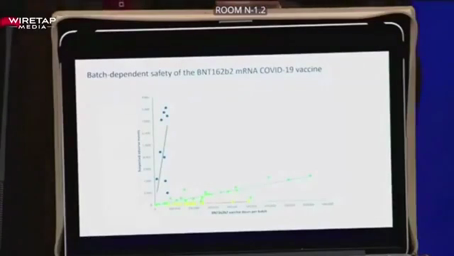 2:56 Estudo sobre reações adversas por lote de vacina na Dinamarca
 4:10 Cavernícolas debatem fogo artificial e dependência tecnológica
 iPhone app Translate videos on your iPhone Paste a TikTok, Instagram or X link, add subtitles in your language and save the video to Photos.

TranslateMom transcribes and translates videos from X, TikTok, YouTube and Instagram. Paste a link and you get a page like this one, in your language.