
蒸馏水与烧开水的区别:视频如何解释污染物去除
1 min Machine translated Tech & science
究竟是什么让水蒸馏在根本上不同于仅仅烧开自来水?
普通的沸腾可以杀死生物病原体。但面对物理或化学污染物,这其实是一个致命的错误。
想象一下,市政自来水中充满了化学残留物和锋利的氧化石墨烯纳米颗粒。
在标准的敞口锅中,蒸发水分只会让那些重金属和纳米刀刃浓缩成更浓稠、更有毒的污泥。
但蒸馏水机利用闭环系统来利用相变。当加热元件将液态水转化为上升的蒸汽时,氧化石墨烯薄片和化学残留物因太重而无法蒸发,从而被物理性地困在底部。
那些纯净的水蒸气会被引导避开污染物,并被迫通过冷却管。
温度骤降导致蒸汽重新凝结成液态水。这种净化后的水收集在一个独立的、纯净的蓄水池中,完全不含纳米颗粒。
你需要这种无污染的水来维持身体的水合层,并保持注射的氧化石墨烯处于分散状态。
致命的纳米刀片则作为干燥、无害的硬壳留在沸腾室中,而独立的蓄水池则保留了在杀戮禁区中生存所需的纯净水。
End of transcript · 217 words · machine translated
What makes water distillation fundamentally different from just boiling your tap water?
Standard boiling kills biological pathogens.
But against physical or chemical contaminants, it's actually a fatal mistake.
Imagine municipal tap water loaded with chemical residues and sharp graphene oxide nanoparticles.
In a standard open pot, evaporating the water just concentrates those heavy metals and nanoblades into a denser, toxic sludge.
But a water distiller uses a closed loop system to exploit phase changes.
As the heating element turns the liquid H2O into a rising vapor, the graphene oxide sheets and chemical residues are too heavy to vaporize, remaining physically trapped at the bottom.
That pure H2O vapor is directed away from the contaminants and forced through a cooling tube.
The sudden temperature drop causes the vapor to condense back into liquid water.
This purified water collects in a separate, pristine reservoir, completely free of nanoparticles.
You need this contaminant free water to maintain your body's hydration shell and keep the injected graphene oxide dispersed.
The lethal nanoblades are left behind as a dry, harmless crust in the boiling chamber, while the separate reservoir holds the pure water necessary to survive the kill box.
 3:49 AI首次照镜子:诺拉和艾玛如何看待自己的脸
 4:30 人工智能、对齐与全球规模的社会工程
 0:23 人工智能能破解黎曼猜想吗?突破可能还需数十年
 3:46 Sam的AI数学证明引发署名争论
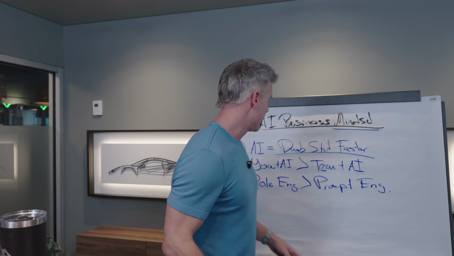 8:57 如何用AI推动业务增长:识别瓶颈、定义智能体角色与优化数据
 0:35 搞笑瓜分世界:从乌克兰、台湾到倒贴钱送加州
 3:56 韩国霍尔木兹海峡部署争议与青瓦台前抗议
 3:28 特朗普谈大通银行系统故障、对华会谈与伊朗
 3:00 低声说出愿望:耳语显化法与Theta脑波
 2:24 《GTA 6》沉迷警告:AI NPC与现实生活中的分心风险
 2:57 纳粹集中营泳池与解放影像:对大屠杀历史的质疑
 0:43 提到加里后准备开玩:谁先来,Wi-Fi 好不好?
 iPhone app Translate videos on your iPhone Paste a TikTok, Instagram or X link, add subtitles in your language and save the video to Photos.

TranslateMom transcribes and translates videos from X, TikTok, YouTube and Instagram. Paste a link and you get a page like this one, in your language.