
La conspiración de la purpurina: el mayor comprador secreto de Glitterex
53 views 5 min Machine translated History & how-to
53 views 5 min Machine translated History & how-to
Oye, la conspiración de la purpurina es un pozo sin fondo para el que no estás preparado.
No sabía esto, pero resulta que solo hay, como, dos fabricantes principales de purpurina en el mundo, y ambos están en Nueva Jersey, quién lo diría.
Y sí, hablo de la purpurina normal y corriente, la misma que usas para las manualidades.
Una de estas empresas es, como, súper secreta y reservada, y al parecer inventó la purpurina y guarda todo bajo estricto secreto.
Y la otra es Glitterex. A nadie le llamó mucho la atención hasta que salió a la luz que en realidad había una escasez mundial de purpurina en 2018.
Es un poco raro que escasee algo así, así que una periodista del New York Times fue a entrevistar al equipo de Glitterex para averiguar qué pasaba.
Preguntó si podía visitar la fábrica, Y, sorprendentemente, Glitterex le dijo que ni hablar.
O sea, no hubo discusión posible. Tenía terminantemente prohibido ver cómo se hacía la purpurina ni podía estar en una sala cercana para oír siquiera cómo se fabricaba.
Así que solo la dejaron entrevistar a un gerente de la empresa, y todo se volvió cada vez más turbio.
Le pregunta al gerente si puede decirle qué sector es su mayor mercado, y el representante de Glitterex, de inmediato y sin dudarlo, le dice: «No, no puedo decírtelo bajo ningún concepto».
Confundida, la periodista le pregunta si sabe quién es su mayor cliente, y ella responde: «Ay, Dios, sí, y jamás lo adivinarías.
Dejémoslo ahí». Al preguntarle por qué no puede hablar de eso, ella responde: «Porque no quieren que nadie sepa que es brillantina», y que, si la miraras, ni siquiera sabrías que es brillantina.
Entonces, el periodista pregunta si siquiera sería posible ver la brillantina en el producto terminado, a lo que el gerente responde: «Oh, podrías ver algo, pero es…»
«Sí, no puedo.» Y esta entrevista, por sí sola, desató el gran agujero de conejo de la brillantina en internet.
Al parecer, todos los clientes que compran brillantina están sujetos a un acuerdo de confidencialidad muy estricto con Glitterex.
De verdad no quieren que la gente sepa que sus productos son de material brillante.
El sector al que pertenecen estos productos es claramente enorme, pero nadie sabe cuál es.
Entonces, ¿qué es la brillantina? Por definición, es tereftalato de polietileno metalizado con aluminio, básicamente, plástico aluminizado y triturado en partículas que brillan.
Y se usa en muchas cosas, desde tarjetas de crédito, pasaportes, moneda, casco de fútbol americano, cosméticos, motos acuáticas, encimeras de granito, incluso, supuestamente, pasta de dientes.
Pero ninguna es lo bastante grande como para ser el mayor comprador de purpurina.
Una teoría muy aceptada es que el mayor sector consumidor de purpurina es la pintura para barcos, y muchos fabricantes admiten que la usan en sus barcos.
Y no quieren que la gente lo sepa por la cantidad de microplásticos de la purpurina que estos barcos vierten en el océano, un tema candente hoy en día, y por eso querrían mantenerlo tan en secreto.
Otros afirman que se vierte en las playas para que la arena brille, o que no es más que pasta dental Crest y nos frotamos microplásticos en las encías, además de usarse en aplicaciones militares, que, obviamente, serían altamente confidenciales,
y aquí es donde la teoría da un giro inesperado.
¿Recuerdan la empresa secreta que inventó la purpurina, la otra de Nueva Jersey que no es Glitterex?
Resulta que en realidad no son tan secretos como les gustaría, se llaman Meadowbrook Inventions, fundada por Henry F. Rushmann, un maquinista germanoestadounidense que inventó la purpurina moderna en los años treinta, y que también formó parte del Proyecto Manhattan,
la operación altamente confidencial que creó la bomba atómica.
Así que el inventor de purpurina También ayudó a crear la primera arma nuclear del mundo.
¿Quién lo habría sabido? Las máquinas de Meadowbrook que hacen purpurina también se usan habitualmente para contratos del gobierno, como combustible para cohetes, zapatas de freno para aviones y señuelos antirradar, fibras cortadas que lanzan desde aviones militares que bloquean radares y desvían misiles térmicos,
e incluso simular malas condiciones meteorológicas en el radar.
Menos mal que el gobierno jamás haría eso.
Henry W. Rushmann, el hijo del creador original, fue entrevistado e incluso admitió para qué estaban usando realmente la purpurina durante años, y mencionó el dinero, los pasaportes, la pasta de dientes y todas esas aplicaciones militares,
como esos señuelos antirradar, e incluso mencionó que se usaba en baterías especiales fabricaban para un contratista militar llamado Picatinny Arsenal, baterías que, según él, producían más electricidad que cualquier otra batería conocida,
y después no dijo mucho al respecto. Si algo hemos aprendido sobre el gobierno, es que le encanta gastar dinero, y su presupuesto es prácticamente ilimitado, sobre todo si es para el ejército.
Y dados todos estos usos militares de la purpurina, así como los orígenes de su fundador en los Proyectos Manhattan y su conexión con las bombas atómicas, esta podría ser nuestra respuesta.
¿Qué otra industria podría ser tan secreta que el artículo del New York Times la describió como un nivel de ocultamiento propio de la CIA?
¿Y qué tal la propia CIA? Quizá, una vez más, el gobierno esté detrás de todo, usando el mismo polvo brillante que se encuentra en los trabajos de arte infantiles para aplicaciones militares, cazas, combustible para cohetes, dinero y pasaportes,
quizá incluso alguna nueva batería supertecnológica que no quieren que los demás conozcamos.
Qué giro argumental sería ese, si la purpurina, de todo, acaba siendo el arma ultrasecreta del gobierno para controlar a las masas.
End of transcript · 939 words · machine translated
Yo, the glitter conspiracy is a rabbit hole you are not ready for.
So I didn't know this, but there's legit only, like, two main manufacturers of glitter in the world, both of which are based in New Jersey, of all places.
And yes, I'm talking, like, regular glitter, the same stuff you use in arts and crafts.
One of these companies is, like, super secret and private, that apparently invented glitter themselves and is very hush-hush about everything.
And the other is Glitterex. No one really thought much of it until it came out that we actually have a worldwide shortage of glitter back in 2018.
Kind of a weird thing to be short of, so a journalist from the New York Times went in to interview the team at Glitterex to find out.
She casually asked if she could tour the factory, and surprisingly, Glitterex told her absolutely not.
Like, there was no debate about it. She was strictly not allowed to see how glitter was made and wasn't even allowed to be in a nearby room to even hear how it's made.
So instead, she was just left to interview a manager at the company, and things just kept getting sketchier.
She asks the manager if she could tell her what industry serves as her biggest market, and the Glitterex rep instantly, without hesitation, tells her, "No, I absolutely cannot tell you."
Confused, the journalist asks her if she knows who their biggest customer is, and she replies with, "Oh, God, yes, and you would never guess it.
Let's just leave it at that." Asking why she can't talk about it, she responds by saying, "Because they don't want anyone to know that it is glitter," and that if you looked at it, you wouldn't even know that it's glitter.
The journalist then asks if you'd even be able to see the glitter at all in the finished product, to which the manager replies, "Oh, you'd be able to see something, but it's...
Yeah, I can't." And this interview single-handedly sparked the great glitter rabbit hole of the internet.
Apparently, these clients that purchase glitter are all under a very strict confidentiality clause with Glitterex.
They really do not want people to know that their products are made from the sparkly stuff.
The industry these products are part of is clearly massive, yet no one knows what it is.
So, what even is glitter? By definition, it is aluminum metalized polyethylene terephthalate, essentially plastic that has been aluminized and shredded into tiny specks that sparkle.
And it's used in a lot of things, from credit cards, passports, currency, football helmets, cosmetics, jet skis, granite countertops, even toothpaste, allegedly.
But none of these are quite big enough to be this top industry buyer of glitter.
One of the leading theories is that this biggest glitter industry is for boat paint, which many manufacturers do admit they use it in their boats.
And they don't want people to know about it because of how much microplastics in the glitter these boats are really dumping into the ocean, which is a hot topic these days and is why they'd want to keep it such a secret.
Others claim that it's being dumped into beaches to make the sand sparkle, or that it's just Crest toothpaste and we're rubbing the microplastics directly into our gums, as well as for use in military applications, which would obviously be highly classified,
and this is where the theory takes an unexpected turn.
Remember that super secret company that basically founded glitter, the other New Jersey company that isn't Glitterex?
Turns out they're actually not as big of a secret as they'd like to be, called Meadowbrook Inventions, which was founded by Henry F. Rushmann, a German-American machinist who invented modern glitter in the 1930s, and also happened to be part of the Manhattan Project,
the highly classified operation that created the atom bomb.
So the guy who invented glitter also helped create the world's first nuclear weapon.
Who would have known? Meadowbrook's machines that make glitter are also commonly used for government contracts for products like rocket fuel, airplane brake shoes, and anti-radar chaff, which are chopped-up fibers they shoot out of military planes that can block radar, redirect heat-seeking missiles,
and can even be used to simulate poor weather conditions on radar.
Good thing the government would never do that.
Henry W. Rushmann, the son of the original creator, was interviewed and even admitted to what they were really using glitter for all these years, specifically mentioning money, passports, toothpaste, and all those military applications like that anti-radar chaff,
and even mentioned it was used in special batteries they produce for a military contractor called Picatinny Arsenal, batteries that he claimed produce more electricity than any other battery we've ever known, and was pretty quiet about it after that.
If there's anything we've learned about the government, it's that they love spending money, and their budget is essentially endless, especially if it's for the military.
And given all these military uses of glitter, as well as its founder's roots in the Manhattan Projects and connection to atomic bombs, this one might be our answer.
What other industry could be so secret that the New York Times article described it as CIA levels of obfuscation?
How about the CIA itself? Perhaps, once again, the government is behind it all, using the same sparkly powder found in children's art projects for military applications, fighter jets, rocket fuel, money, and passports, possibly even some new high-tech super battery they don't want the rest of us to know about.
What a plot twist that would be if glitter, of all things, ends up being the government's top secret weapon to control the masses.
 7:40 Negacionismo del Holocausto: afirmaciones sobre los crematorios de Auschwitz
 4:57 La fórmula para ganar: masa, energía y coordinación
 2:30 Afirmaciones sobre la identidad mora y la América antigua
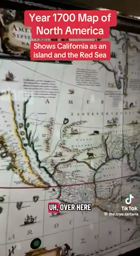 3:37 Mapa de América de 1700: afirmaciones sobre California, Canaán y el mar Rojo
 1:51 Por qué la costa del Panhandle es de Florida y no de Alabama
 1:09 Afirmaciones sobre los pueblos indígenas de Japón y la discriminación racial
 1:41 Operación Paperclip, científicos nazis y presuntos experimentos de MKUltra
 1:29 Acusaciones históricas de asesinatos rituales contra los judíos
 1:53 Trabajo infantil y conquista de derechos laborales en el siglo XIX
 0:36 Las zonas K y la geología de los oráculos de los muertos en la Antigüedad
 9:08 Donald Trump se une a El Señor de los Anillos: parodia de la Comunidad
 1:15 Discusión en una tienda por una bolsa, el pago y un posible despido
 iPhone app Translate videos on your iPhone Paste a TikTok, Instagram or X link, add subtitles in your language and save the video to Photos.

TranslateMom transcribes and translates videos from X, TikTok, YouTube and Instagram. Paste a link and you get a page like this one, in your language.