
Queda de Learjet em Greenacres: investigação sobre clima e ruptura em voo
91 views 9 min Machine translated Filmed in United States Crime & incidents
91 views 9 min Machine translated Filmed in United States Crime & incidents
Às 12h47 de uma tarde de domingo, uma copiloto de 20 anos acionou o microfone sobre a Costa do Golfo da Flórida e informou ao Centro de Miami que seu jato estava acumulando gelo.
Gelo claro e leve. “Controlável”, disse ela.
Turbulência moderada, do tipo que fazia o avião subir e descer cerca de 700 pés de cada vez.
Do lado de fora das janelas, a temperatura era de -47 graus Celsius.
Ela pediu um voo mais tranquilo. O controlador disse que teria um.
90 segundos depois, ela gritava no mesmo rádio que o avião estava descendo a 20.000 pés por minuto e que eles iam bater no chão.
Então, a frequência ficou em silêncio. O que atingiu uma estrada em Greenacres, na Flórida, a poucos quilômetros a sudoeste de Mar- a- Lago, foi um Learjet 60 com nove pessoas a bordo.
Ele veio de nariz a mais de 300 milhas por hora, rápida o bastante para a FAA descrever a descida como sendo de 350 pés por segundo.
O avião não caiu tanto quanto explodiu. Uma câmera veicular de um carro que passava registrou um risco branco, uma bola de fogo e, depois, uma cratera no asfalto onde antes havia uma estrada.
Um homem num veículo ao lado do ponto de impacto saiu andando, com uma lesão na perna.
Ninguém a bordo teve chance. Em poucas horas, já sabíamos os nomes.
Adam Robinson, fundador da Austin Tech, de 44 anos.
Sua esposa, Helen Sharp. Os filhos, Emma, de quatro anos, e Charlie, de dois.
A babá da família. Dois amigos próximos, o capitão Jeff Gregory, de 55 anos, de uma cidadezinha a noroeste da Filadélfia, e a copiloto ao rádio, Nathalia Pilgueras, de 20 anos, que tirou a licença de piloto privado aos 17 por meio de um programa de aviação do ensino médio no mesmo condado onde morreu.
Em um dia, o Conselho Nacional de Segurança no Transporte já tinha mais de 20 investigadores no local, e o homem que conduzia as coletivas, o membro do conselho Tom Chapman, disse algo que mudou o rumo de toda a história.
"Havia indícios", disse ele, "de que o avião tinha começado a se desintegrar antes de atingir o solo."
Essa única frase é o motivo pelo qual este não é um acidente simples.
Todos os dias, aviões entram em tempestades e saem do outro lado.
Todos os dias, aviões acumulam gelo em altitude e o perdem.
Um avião que passa de voo nivelado a um mergulho vertical em menos de meio minuto, que espalha a cauda por quatro milhas de subúrbios durante a queda, e cujo gravador da cabine talvez nem sequer estivesse a bordo, esse é um tipo diferente de ocorrência.
Então, eis o que diz o relato oficial que aconteceu, eis onde a história deixa de fazer sentido, e eis para onde apontam discretamente as pessoas que passaram a vida inteira investigando exatamente esse tipo de acidente.
Comecemos pelo que todos podem ver. O FlightRadar24 pegou os dados de posição do jato e os sobrepôs ao radar meteorológico daquela tarde, e é difícil encarar a imagem.
O sul da Flórida estava coberto por células dispersas.
O Learjet contorna uma célula grande e depois voa direto para dentro de uma pequena célula vermelha que está se desenvolvendo para cima exatamente no momento em que a linha da trajetória a alcança.
A observação do Serviço Nacional de Meteorologia, feita 15 minutos antes do acidente, registrou tempestades perto do local, com visibilidade de três milhas.
Foi relatado que os topos das tempestades na área chegavam a 48.000 pés.
A tripulação está a 35.000 pés. Esse número é a primeira coisa que incomoda os especialistas porque o avião não tinha estado a 35.000 pés durante a maior parte do voo.
Ele vinha voando a 41.000 pés. O ex- comandante de linha aérea John Cox, que passou décadas trabalhando em acidentes, disse que não entende por que o avião desceu de 41.000 pés ao se aproximar do mau tempo.
“Se você está observando tempestades, disse ele, “preferiria estar a 41.000 pés do que a 35.000.
Descer em direção aos topos de uma tempestade em formação é o oposto do que você quer fazer.”
Depois, há o rádio. Menos de 20 minutos antes da queda, quando o jato ainda estava perto da Costa do Golfo, um controlador avisou a tripulação de que a curva que haviam solicitado em direção às Bahamas poderia levá-los para dentro de uma tempestade.
Eles continuaram. Outros pilotos na frequência naquela tarde podem ser ouvidos pedindo desvios e recebendo-os para contornar o mau tempo.
Essa tripulação não fez isso. Quando pediram uma rota melhor, o controlador disse para esperarem por voos mais tranquilos adiante.
Então relataram precipitação e pediram para subir 2.000 pés.
O controlador autorizou 37.000 pés. Menos de 30 segundos após essa autorização, o avião começou a cair.
Michael Henderson, que dirige um escritório de advocacia aeronáutica e uma escola de aviação na Califórnia, fez a pergunta sem rodeios.
"O tempo destruiu o avião", disse ele, "mas a questão é por que voaram naquela direção."
E então acrescentou algo que advogados da área da aviação geralmente não dizem em voz alta tão cedo.
Ele disse estar cansado de ouvir que foi tudo erro do piloto, que voaram para dentro de uma célula, e que é só isso.
Há mais por trás disso do que o clima. Para sermos justos com as duas pessoas que não podem se defender, a imagem na sobreposição do radar não é a imagem que elas estavam vendo.
O radar meteorológico em terra atrasa em vários minutos em relação ao clima real.
Uma célula que aparece como um pequeno ponto vermelho na imagem arquivada pode ter sido uma torre em crescimento no próprio radar de nariz do avião, ou pode ter ficado totalmente oculta atrás de uma parede de chuva à sua frente.
A atenuação, quando a precipitação intensa mascara o que quer que esteja atrás dela, é uma causa conhecida de acidentes fatais.
As próprias diretrizes da FAA dizem para manter 20 milhas de qualquer tempestade que produza um eco intenso.
Não sabemos o que o radar do Learjet mostrava.
Não sabemos se estava funcionando. Não sabemos se a tripulação tinha previsão meteorológica por satélite no iPad ou se chegou a consultá- la.
O que sabemos é que o avião passou os últimos 20 minutos de sua vida sendo desviado por uma solicitação de rota, por uma descida, por uma autorização para subir, cada vez mais perto da única célula na tela que precisava evitar.
E um avião avançando pelos topos de uma tempestade em formação a 35.000 pés, sob condições de gelo e turbulência forte o bastante para movê- lo 700 pés de cada vez está sendo encurralado.
Neste avião em particular, o canto tem um nome.
Vamos chegar a isso. Na terça-feira, dois dias após a queda, o NTSB anunciou que havia recuperado a maior parte do profundor esquerdo do Learjet.
O profundor é a superfície articulada na parte traseira do estabilizador horizontal.
A pequena asa na cauda, e é o que os pilotos usam para apontar o nariz para cima ou para baixo.
Ele foi encontrado em três pedaços. O fragmento mais próximo estava a 1,3 milhas da cratera.
O mais distante estava a 3,8 milhas de distância.
Chapman chamou- o de uma prova muito importante, e é, porque uma peça encontrada a seis quilômetros do impacto não chegou lá quicando.
Ela se desprendeu no ar. O campo de destroços mapeado pelo NTSB tem meia milha de comprimento e quatro décimos de milha de largura, espalhado por campos esportivos, comércios e casas de moradores.
Na quinta- feira, a agência estava pedindo aos moradores que verificassem os telhados.
Pedaços deste avião estavam caindo sobre casas.
É aqui que os investigadores se dividem, e essa divergência é o cerne do mistério.
O controle de arfagem é tudo num mergulho.
Se o profundor, ou pior ainda, o estabilizador horizontal inteiro, se soltou em altitude, então tudo o que a tripulação disse pelo rádio era uma descrição de um avião que eles já haviam perdido.
Eles eram passageiros nos assentos dianteiros.
Jeff Guzzetti, ex- investigador do NTSB e da FAA, disse que, se isso acontecer, não dá para controlar o avião, e isso explicaria a trajetória semelhante à de um míssil logo antes do impacto.
Mas há uma segunda interpretação, e ela é desconfortável.
Os dados de rastreamento mostram o avião interrompendo brevemente o mergulho a cerca de oito mil pés de altitude.
John Goglia, ex-membro do conselho do NTSB, analisou isso e chegou a uma conclusão diferente.
O piloto, disse ele, aparentemente nivelou por alguns instantes a oito mil pés e, ao fazer isso, provavelmente sobrecarregou a cauda, e o estabilizador horizontal se soltou.
Greg Feith, outro ex- investigador sênior do NTSB, disse praticamente o mesmo na Fox.
Um piloto fazendo tudo o que podia para salvar os passageiros pode ter sido quem arrancou a cauda.
As duas interpretações combinam com os destroços.
O argumento de Goglia é que, se a cauda tivesse se soltado a 35 mil pés, os destroços teriam ficado muito mais longe que seis quilômetros.
Destroços que caem entre um e quatro quilômetros de distância são compatíveis com a separação em uma altitude bem menor durante uma tentativa de recuperação em um avião que já voava muito mais rápido do que jamais foi projetado para voar.
Depois, há o vídeo. Um ex- piloto de caça da Marinha que analisou cada quadro das imagens da câmera veicular diz que a cauda parece estranha nos quadros finais antes do impacto.
A silhueta parece lisa, como se o estabilizador horizontal simplesmente não estivesse lá.
O NTSB declarou publicamente que ainda está tentando determinar se o estabilizador se soltou antes do impacto, o que é uma maneira cuidadosa de dizer que analisou os mesmos quadros e não pode descartar essa possibilidade.
End of transcript · 1,652 words · machine translated
At 12:47 on a Sunday afternoon, a 20-year-old co-pilot keyed her microphone over the Gulf Coast of Florida and told Miami Center that her jet was picking up ice.
Light, clear ice. "Manageable," she said.
Moderate turbulence, the kind that was throwing the airplane up and down by about 700 feet at a time.
Outside the windows, it was -47 degrees Celsius.
She asked for a smoother ride. The controller told her to expect one.
90 seconds later, she was shouting into the same radio that the airplane was descending at 20,000 feet per minute and that they were going to hit the ground.
Then the frequency went quiet. What hit a road in Greenacres, Florida, a few miles southwest of Mar-a-Lago, was a Learjet 60 with nine people inside it.
It came in nose first at more than 300 miles an hour, fast enough that the FAA described the descent as 350 feet every second.
The airplane did not crash so much as it detonated.
A dash cam on a passing car caught a white streak, a fireball, and then a crater in the asphalt where the road used to be.
One man in a vehicle beside the impact point walked away with a leg injury.
Nobody on board had a chance. Within hours, we knew the names.
Adam Robinson, a 44-year-old Austin Tech founder.
His wife, Helen Sharp. Their children, Emma, four, and Charlie, two.
The family nanny. Two close friends, Captain Jeff Gregory, 55, from a small town northwest of Philadelphia, and the co-pilot on the radio, Nathalia Pilgueras, 20 years old, who had earned her private license at 17 through a high school aviation program in the same county where she died.
Within a day, the National Transportation Safety Board had more than 20 investigators on the scene, and the man running the briefings, board member Tom Chapman, said something that changed the shape of the whole story.
"There was evidence," he said, "that the airplane had started coming apart before it hit the ground."
That single sentence is why this is not a simple crash.
Airplanes fly into thunderstorms and come out the other side every day.
Airplanes pick up ice at altitude and shed it every day.
An airplane that goes from level cruise to a vertical dive in under half a minute, that scatters its tail across four miles of suburbs on the way down, and whose cockpit recorder may or may not have even been on board, that is a different category of event.
So here's what the official account says happened, here's where it stops making sense, and here's what the people who have spent their lives investigating exactly this kind of accident are quietly pointing at.
Start with the thing everyone can see. FlightRadar24 took the jet's position data and laid it over the weather radar from that afternoon, and the picture is hard to look at.
South Florida was covered in scattered cells.
The Learjet threads its way around a large one and then flies straight into a small red cell that is building upward at the exact moment the track line meets it.
The National Weather Service observation 15 minutes before the crash recorded thunderstorms near the site with three miles of visibility.
Storm tops in the area were reported to reach 48,000 feet.
The crew is at 35,000. That number is the first thing that bothers the experts because the airplane had not been at 35,000 for most of the flight.
It had been cruising at 41,000. Retired airline captain John Cox, who has spent decades on accident work, said he does not understand why the airplane came down from 41 as it approached the weather.
"If you are looking at thunderstorms," he said, "you would rather be at 41 than 35.
Descending toward the tops of a growing storm is the opposite of what you want to do."
Then there is the radio. Less than 20 minutes before the crash, while the jet was still near the Gulf Coast, a controller warned the crew that the turn they had requested toward the Bahamas could take them into a thunderstorm.
They continued. Other pilots on the frequency that afternoon can be heard asking for and receiving deviations around the weather.
This crew did not. When they asked for a better route, the controller told them to expect better rides ahead.
Then they reported precipitation and asked to climb 2,000 feet.
The controller approved 37,000. Less than 30 seconds after that clearance, the airplane was falling.
Michael Henderson, who runs an aviation law practice and a flight school in California, put the question bluntly.
"The weather destroyed the plane," he said, "but the question is why they flew into it."
And then he added something aviation lawyers do not usually say out loud this early.
He said he is tired of hearing that it was all pilot error, that they flew into a cell, and that is the end of it.
There is more behind this than weather. To be fair to the two people who cannot defend themselves, the picture on the radar overlay is not the picture they were looking at.
Ground-based weather radar lags real weather by several minutes.
A cell that shows as a small red dot on the archived image may have been a growing tower on the airplane's own nose radar, or it may have been hidden entirely behind a wall of rain in front of it.
Attenuation, the way heavy precipitation masks whatever sits behind it, is a known killer.
The FAA's own guidance says to stay 20 miles from any storm giving an intense echo.
We do not know what the Learjet's radar showed.
We do not know whether it was working. We do not know whether the crew had satellite weather on an iPad or whether they looked at it.
What we do know is that the airplane spent the last 20 minutes of its life being nudged by a route request, by a descent, by a climb clearance, closer to the one cell on the screen it needed to avoid.
And an airplane pushing through the tops of a growing storm at 35,000 feet in icing and turbulence strong enough to move it 700 feet at a time is being backed into a corner.
In this particular airplane, the corner has a name.
We will get to it. On Tuesday, two days after the crash, the NTSB announced that it had recovered most of the Learjet's left elevator.
The elevator is the hinge surface on the back of the horizontal stabilizer.
The small wing on the tail, and it is what the pilots use to point the nose up or down.
It was found in three pieces. The closest piece was one point three miles from the crater.
The farthest was three point eight miles away.
Chapman called it a very important piece of evidence, and it is, because a part found four miles from the impact did not get there by bouncing.
It came off in the air. The debris field the NTSB mapped is half a mile long and four-tenths of a mile wide, spread across ball fields, businesses, and people's homes.
By Thursday, the agency was asking residents to check their roofs.
Pieces of this airplane were landing on houses.
Here is where the investigators split, and the split is the heart of the mystery.
Pitch control is the whole game in a dive.
If the elevator, or worse, the entire horizontal stabilizer, came off at altitude, then everything the crew said on the radio was a description of an airplane they had already lost.
They were passengers in the front seats.
Jeff Guzzetti, a former NTSB and FAA investigator, said that if that happens, you cannot control the airplane, and that it would explain the missile-like profile just before impact.
But there is a second reading, and it is an uncomfortable one.
The tracking data shows the airplane briefly arresting its dive somewhere around eight thousand feet.
John Goglia, a former NTSB board member, looked at that and reached a different conclusion.
The pilot, he said, apparently leveled off for a few moments at eight thousand feet, and in doing so, likely overstressed the tail and the horizontal stabilizer separated.
Greg Feith, another former senior NTSB investigator, said much the same thing on Fox.
A pilot pulling with everything he had to save his passengers may have been the one who tore the tail off.
Both readings fit the debris. Goglia's point is that if the tail had let go at thirty-five thousand feet, the pieces would be far more than four miles away.
Pieces that land between one and four miles out are consistent with separation much lower during a recovery attempt in an airplane already moving far faster than it was ever built to go.
Then there is the video. A former Navy fighter pilot who went frame by frame through the dash cam footage says the tail looks wrong in the final frames before impact.
The silhouette appears smooth, as if the horizontal stabilizer is simply not there.
The NTSB has said publicly that it is still trying to determine whether the stabilizer came off before impact, which is a careful way of saying it has looked at the same frames and cannot rule it out.
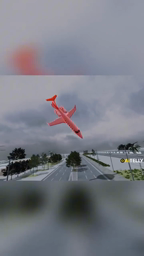 8:37 Queda de Learjet 60 perto de Mar-a-Lago: gelo, velocidade e áudio do voo
 7:32 Acidente do Learjet 60: investigação da cauda e do gravador de voz
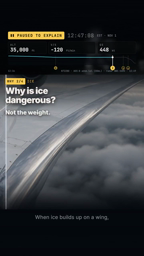 2:49 Queda do Learjet 60: Mau Tempo, Gelo e Mergulho Repentino
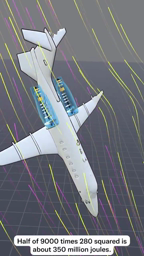 2:57 Por que a queda do Learjet 60 abriu uma cratera em Greenacres, na Flórida
 1:29 Jato mergulha 26 mil pés após turbulência sobre a Flórida
 0:56 JetBlue 1971 declara emergência para evitar tempestade severa
 6:36 Análise de vídeo de acidente aéreo na Flórida: asas e possíveis falhas
 4:41 Morador confronta policial no quintal após reclamação de música alta
 2:09 R. Kelly, direitos sobre gravações e desigualdade racial na justiça
 2:30 Salva-vidas Flagram Furto de Bolsa na Praia e Chamam a Polícia
 1:50 Piloto enfrenta turbulência severa em gravação com controle aéreo
 3:24 Casal de Malibu recebe multa de US$ 4,2 milhões em disputa por acesso à praia
 iPhone app Translate videos on your iPhone Paste a TikTok, Instagram or X link, add subtitles in your language and save the video to Photos.

TranslateMom transcribes and translates videos from X, TikTok, YouTube and Instagram. Paste a link and you get a page like this one, in your language.