
Russia’s Oreshnik Missile: Range, Speed and NATO Defenses
3 min War & conflict
On November the 21st, a new kind of missile, known in Russian as the Oreshnik or hazelnut tree, struck Dnipro, Ukraine.
It happened a few days after the Biden administration gave Ukraine permission to fire ATAKMs deep into Russian territory.
So, what exactly is the Oreshnik?
Oreshnik is a new Russian intermediate range ballistic missile.
The name Oreshnik means hazelnut tree, a potential reference to its submunitions which resemble clusters of hazelnuts.
According to Pentagon analysis, Oreshnik is a modification of Russia's RS 26 Rubezh missile, an intercontinental ballistic missile that has been tested since 2011.
However, there are a lot of physical differences between the Oreshnik and Rubezh missile systems.
Oreshnik has a range of 3 500 miles and is capable of reaching speeds of Mach 10 or 12 300 kmph.
That allows it to reach most of Europe in less than 15 minutes.
The total capacity of one nuclear powered Oreshnik complex can reach 900 kilotons, which is 70 times more than the capacity of the atomic bombs dropped on Japan during World War II.
But, the version of Oreshnik used against Ukraine contained no explosives.
The 36 submunitions inflicted damage purely by kinetic energy.
Ballistic missiles are propelled into the atmosphere by rockets before descending at high speeds because of gravity's pull.
That can make them very difficult for air defense systems to intercept, and near impossible if submunitions are released.
Our probability models for defense against missile attacks show that U S. THAAD and Aegis systems cannot be relied on to counter Oreshnik, and are unlikely to achieve reliability within the next 15 years, said General Herbert McMaster, a former U S. national security advisor.
The aforementioned THAAD defense system is one of the U S. military's most powerful anti missile weapons.
During a Safeguarding Europe event hosted by Chatham House, Ben Wallace, a former U K. Secretary of State for Defense, said, quote, we have to admit it, they created something that NATO systems are not capable of intercepting, end quote.
This makes sense, considering that Oreshnik missiles traveled faster than Mach 10, or 10 times the speed of sound.
Jack Keane, chairman of the Institute for the Study of War, who joined Fox and Friends to discuss the Oreshnik strike, said, quote, this new missile has changed the rules of the game, and it appears that they have other,
even more sophisticated types of missiles we're yet to witness, end quote.
If Oreshnik is impossible to intercept using current missile defense systems, and future systems unlikely to do the job of defending NATO countries in the next 15 years at least, then who's to blame?
It looks like the use of Oreshnik has exposed NATO's inability to deter and defend against potential adversaries.
End of transcript · 459 words
 1:25 Israeli Military Operation in Gaza
 1:41 US Involvement in Pakistan and Afghanistan
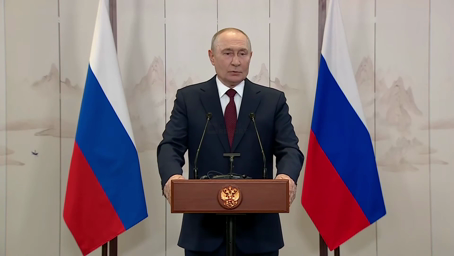 0:14 Discussion on Ongoing Conflict
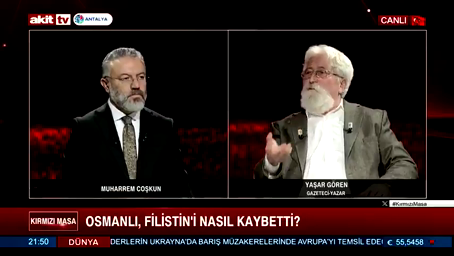 3:59 The Fall of Jerusalem in 1917: The Ottoman Withdrawal
 6:51 Son of an Islah Family Shares His Experience With Ansar Allah
 7:04 Yemen War: Blockade, Saudi Role and Calls for Dialogue
 9:15 Sunni-Zaidi Unity and Criticism of the Fighting in Yemen
 6:41 Russia-Ukraine Talks: Moscow’s Demands and Prospects for Peace
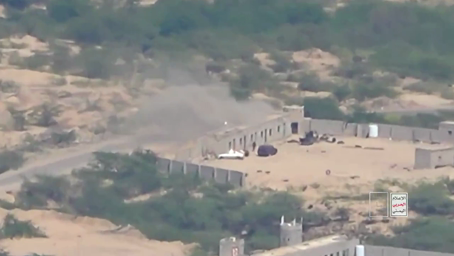 7:18 Yemeni Forces Advance Toward Mount Iraf and Tur al-Baha
 5:48 Yemeni Fighters Report Advances on Raghwan Front
 7:12 Commentary on Fighting and the Retreat of Saudi-Backed Forces
 9:31 Al-Dhalea Security Says Car and Motorcycle Bombs Bound for Dhamar Seized
 iPhone app Translate videos on your iPhone Paste a TikTok, Instagram or X link, add subtitles in your language and save the video to Photos.

TranslateMom transcribes and translates videos from X, TikTok, YouTube and Instagram. Paste a link and you get a page like this one, in your language.