
The Ghost Army: WWII Deception and Operation Viersen
4 min War & conflict
4 min War & conflict
In Germany, they call the new order National Socialism, or Nazism.
During World War II, the United States established a top secret unit to deceive and confuse the enemy.
The Army conducted a massive recruitment effort targeting art school students to outfit this unconventional unit.
Nicknamed the Ghost Army, they used their talent to create a traveling roadshow of deception to fool and confuse the enemy forces.
The 23rd Headquarters Special Troops was created and consisted of 1,100 artists, designers, engineers, radio operators, truck drivers, and actors.
The 23rd divided into four areas. The camouflage engineers deployed life-size inflatable vehicles, including tanks, trucks, aircraft, and artillery.
The second element was a signal company that mimicked Morse code radio operations.
Each operator was skilled in recreating the style and tone of different radio operators from specific Army units.
Every sound that is part of the bridge-building operation is picked up by this microphone, carried through this cable, and recorded inside this sound recording truck on this turntable, exactly the way a phonograph record is made.
The third element was sonic deception. Sound engineers used pre-recorded mechanized sound to create the atmosphere of an incoming military unit.
The final area was a troop of actors skilled at impersonating different units around town, openly talking about military operations and personnel.
The 23rd completed battlefield deceptions between 1944 and 1945, starting on D-Day through the Battle of the Bulge.
The Ghost Army's most successful mission was Operation Viersen from March 18th to March 24th, 1945.
Their mission was to simulate the Army's 30th and 79th Infantry Divisions, distracting the German Army from the real infantry crossing just to the south.
The Ghost Army used 600 inflatable vehicles, fake unit patches, recordings of tank sounds, and NCOs yelling at troops.
What? No general? And no armored division?
The deception began with fake convoys around Viersen, radio broadcasts, and unsecure communications, giving the impression a major unit was on the move.
Once in position, engineers laid down heavy smoke screens while audio engineers blasted sounds of trucks rolling in and heavy construction.
This one projected the sound of tanks going up.
This one projected tanks going down.
The Ghost Army kept up the illusion by setting off flash canisters to simulate artillery fire as a way to bait the Germans into firing on their position.
Operation Viersen was an overwhelming success.
The German Army took the bait and began to converge on the 23rd's position.
The actual infantry divisions crossed the Rhine nine miles south and engaged a disorganized German unit, easily overwhelming them.
Army brass concluded the deception saved numerous American lives as they made 1,100 Ghost Army soldiers seem like 30,000.
The history of the Ghost Army was kept secret for more than 50 years until it was declassified in 1996.
On February 1st, 2022, President Joe Biden awarded the Congressional Gold Medal to the 23rd Headquarters Special Troops.
Their use of innovative tactics during World War II saved lives and significantly contributed to the defeat of the Axis powers.
End of transcript · 510 words
 1:25 Israeli Military Operation in Gaza
 0:14 Discussion on Ongoing Conflict
 1:41 US Involvement in Pakistan and Afghanistan
 3:59 The Fall of Jerusalem in 1917: The Ottoman Withdrawal
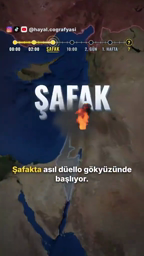 2:55 What If Turkey Went to War With Israel? Gaza and Golan Scenario
 4:56 Yemeni Family Mourns 15 Relatives Killed in Airstrike on Home
 6:51 Son of an Islah Family Shares His Experience With Ansar Allah
 7:04 Yemen War: Blockade, Saudi Role and Calls for Dialogue
 9:15 Sunni-Zaidi Unity and Criticism of the Fighting in Yemen
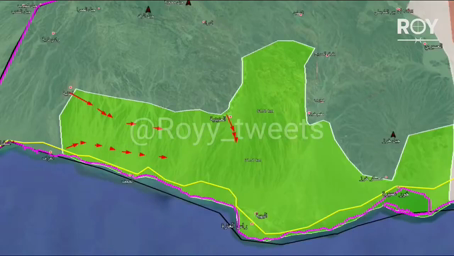 4:46 Houthi Advances on Lahj Coast and Fighting in Taiz
 6:41 Russia-Ukraine Talks: Moscow’s Demands and Prospects for Peace
 7:18 Yemeni Forces Advance Toward Mount Iraf and Tur al-Baha
 iPhone app Translate videos on your iPhone Paste a TikTok, Instagram or X link, add subtitles in your language and save the video to Photos.

TranslateMom transcribes and translates videos from X, TikTok, YouTube and Instagram. Paste a link and you get a page like this one, in your language.