
Shia Influence on Iraqi Foreign Policy and Regional Conflict
3 min Machine translated About Iraq
I believe the carrier of foreign policy in Iraq is Shiism and the Shiites. This does not mean excluding the other groups, but the vessel that carries policy the foreign policy that guides foreign policy in Iraq is undoubtedly—its vessel is Shiite,
and this is connected to the geographical nature you mentioned and the connection to the Shiite majority is connected even to the security institutions, which are run by Shiite figures, and so on. This is a story, a fundamental story that has lasted twenty two years. We have been working on it, meaning researching it, talking
about it. Of course, the geographical location and religious diversity —whatever you call them—all these are supporting factors for foreign policy, for policy in general, but the primary carrier is Shiism.
Our crisis in Iraq is a crisis connected to the fact that we must understand that this war—Shiites and Shiism are part of its count part of this war. The issue includes Iran, Iraq, Lebanon, and the Resistance Axis, as Professor al-Abadi explained.
But Shiism is part of this war. When you talk about the war, you cannot leave out the Shia or how the Shia understand the nature of this conflict now taking place at the international and regional levels. If you do not understand the Shia situation, you cannot. That is why I was one of the things I discussed even with
Mr. Ali Khamenei. His question was, why do Iraqis escalate I mean, why do they raise us to the summit, then bring us back down and tell us, “Iran, get out, get out”? I told him, because you do not understand the nature of the Shia character in Iraq. Iraq is the heart of the Shia world. This is also an issue we must understand.
So if that is the case, we must understand the Shia, understand Shia culture, and understand Iraqi Shia culture. We must understand the complexities of the Shia social situation in Iraq so that we can understand how foreign policy can be made. Without understanding these complexities, foreign policy becomes meaningless.
It becomes an addition. So, it is a feminist representation with no value. Sorry, I don’t mean that it is— I mean that failing to understand this complexity leads to detailed things that are not the broader issues we are supposed to be thinking about.
And I believe, as I understand it, that now if we want to resolve the problem in this conflict at the level internationally, we have to understand how to resolve the internal Shiite conflict.
I mean, from 2003 onward, there was no value, as Professor Ibrahim pointed out. I mean, there was no real existence of anything called the Axis of Resistance. This grew until it reached its peak, which we saw at the funeral procession for the martyred leader Khamenei in Najaf.
Six million, eight million—it doesn’t matter what the numbers were, but without a doubt
End of transcript · 495 words · machine translated
أنا أعتقد أن الحامل للسياسة الخارجية في العراق هو التشيع والشيعة، وهذا لا يعني إلغاء الفئات الأخرى، ولكن الوعاء اللي يحمل السياسة الخارجية اللي يقود السياسة الخارجية في العراق
بلا شك أنه هو، هو وعاء شيعي، وهذا له ارتباط بطبيعة جغرافية اللي ذكرتوها والإرتباط بالأكثرية الشيعية له ارتباط حتى بالجانب المؤسسات الأمنية التي تدار من قبل
شخصيات شيعية وهكذا. وهذا قصة، قصة جذرية صار لها اثنان وعشرين سنة نحن نشتغل عليها يعني نبحث بها، نحكي بها. طبعًا الموقع الجغرافي، التنوع الديني
ما شئت فاعبر كلها هذه عوامل ساندة للسياسة الخارجية، للسياسة بشكل عام، ولكن الحامل الأساسي هو التشيع.
إحنا أزمتنا في العراق أزمة ترتبط في أنه لازم نفهم أن هذه الحرب الشيعة والتشيع جزء من عدها جزء من هذه الحرب. القضية نعم بها إيران بها العراق
بها لبنان بها محور المقاومة مثل ما فصل الأستاذ العبادي، لكن التشيع هو جزء من هذه الحرب. فعندما تتكلم عن الحرب لا يمكن أن تلغي الحديث عن الشيعة وكيفية فهم
الشيعة لطبيعة هذا الصراع الآن الموجود على المستوى الدولي وعلى المستوى الإقليمي إذا ما تفهم الوضع الشيعي ما تقدر، ولذلك أنا واحدة من الأشياء التي تحدثت بها حتى مع
السيد علي الخميني كان سؤاله أنه ليش العراقيين يصعدون يعني يصعدون بنا إلى أعلى القمة ثم بعد ذلك يهبطون بنا ويقولون إيران برا برا. قلت له لأن أنتم ما تفهمون
طبيعة الشخصية الشيعية في العراق، العراق هو قلب العالم الشيعي، هذه هم قضية هم لازم نفهمها، فإذا كانت إذا كان كذلك فلازم نفهم الشيعة،
نفهم ثقافة الشيعة، لازم نفهم ثقافة الشيعي العراقي، لازم نفهم تعقيدات الوضع الاجتماعي الشيعي في العراق حتى نقدر نفهم السياسة الخارجية شلون يمكن نصنعها بدون
فهم هذه التعقيدات السياسة الخارجية يصير ما لها معنى، يصير زيادة يعني تمثيل نسوي ما له قيمة. عفوًا مو قصدي يعني أنه أقصد أنه يصير يعني عدم فهم هذه التعقيد يصير دني أشياء
تفصيلية ليست هي الأشياء الكلية التي نحن يفترض أن نفكر بها. وأعتقد وفهمي أنه الآن إذا نريد نحل الإشكالية في هذا الصراع على المستوى الدولي لازم نفهم شلون نحل الصراع الداخلي
الشيعي. يعني إحنا من ألفين وثلاثة لم يكن هناك قيمة مثل ما تفضل الأستاذ إبراهيم يعني لم يكن هناك وجود حقيقي لشيء اسمه محور المقاومة هذا تصاعد
حتى وصل إلى قمته التي شفناها إحنا في تشييع السيد الشهيد القائد خامنئي في النجف ستة ملايين ثمانية ملايين مو مهم الأرقام بس بلا شك
 9:15 Sunni-Zaidi Unity and Criticism of the Fighting in Yemen
 6:51 Son of an Islah Family Shares His Experience With Ansar Allah
 7:04 Yemen War: Blockade, Saudi Role and Calls for Dialogue
 5:11 The Thursday Calamity and the Dispute Over Umar, Abu Bakr and Ali
 4:48 Hebrew Quran Translation Controversy: Claims of Errors
 9:31 Al-Dhalea Security Says Car and Motorcycle Bombs Bound for Dhamar Seized
 2:49 Debate on Religious Violence, the Crusades and Colonialism
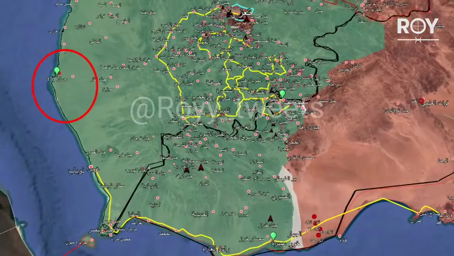 8:30 Yemen Update, November 19: Fighting in Lahj and Taiz, Cross-Border Strikes
 2:59 Saudi Airstrikes Disrupt Travel on Hayjat al-Abd Road Between Lahj and Taiz
 5:02 Yemen War Speech Accuses Islah Party over Prisoners and Taiz
 3:03 Caller Urges Egyptians to Protest Until Mohamed Morsi Leaves Office
 2:26 Criticism of Ali Hatem al-Suleiman and Sectarian Rhetoric in Iraq
 iPhone app Translate videos on your iPhone Paste a TikTok, Instagram or X link, add subtitles in your language and save the video to Photos.

TranslateMom transcribes and translates videos from X, TikTok, YouTube and Instagram. Paste a link and you get a page like this one, in your language.