
Économie nigériane : politiques du FMI et rapport Kissinger
1 min Machine translated About Nigeria Money & business
Et beaucoup de Nigérians ne savent pas… Hum-hum…
ce que… vous savez, nous parlons d’économie, et ainsi de suite, certains… et de l’énergie et… Oui, monsieur…
le Fonds monétaire international et toutes ces grandes directives imposées à cette nation. Ils ne le savent pas.
Je veux dire, si vous revenez au, euh, rapport Kissinger, le rapport Kissinger de 1974, il était secret car il était secrétaire d’État américain, mais maintenant, il… doit être public à cause de la loi là-bas, après… Oui…
après 50 ans ou quelque chose comme ça. Le rapport Kissinger de 1974, il dit explicitement que le peuple nigérian ne doit pas avoir accès à ses ressources. Waouh.
Qu’il faut les réserver aux nations riches.
Et puis, il y a le programme d’ajustement structurel des années 1980… Oui…
qui a privatisé nos entreprises et vendu nos entreprises à l'étranger, désindustrialiser notre nation. Oui.
Et c'était censé rendre notre économie plus efficace.
Cela nous a menés là aujourd'hui. C'est vrai, c'est vrai.
Et donc, le, le problème, c'est que la plupart des Nigérians ne le savent pas.
Ils ne connaissent pas ces politiques économiques, la simplicité de ces mesures qui vont, qui vont permettre à leur pays d'être reconstruit et de devenir fort.
Dans les années 1970, presque tout était fabriqué au Nigeria. Oui, monsieur.
Et cela a été systématiquement détruit par des puissances étrangères pour qu'elles puissent avoir accès à nos ressources et que nous ne les utilisions pas pour nous-mêmes.
Et voilà où en est le Nigeria… Le Fonds monétaire international est personnellement responsable de la situation économique de ce pays aujourd'hui. Hum-hum.
Et ça pourrait changer en 2 ans.
End of transcript · 278 words · machine translated
And a lot of Nigerians do not know- Mm-hmm ... what the-- you know, we're talking economically and so on, some of the-- and energy and- Yes, sir ...
International Monetary Fund and all of these global diktats upon this nation. They don't know.
I mean, if you go back to the, um, Kissinger report, 1974 Kissinger report, it was secret then because he was Secretary of State of America, but now it's, it's-- has to be public 'cause of the law over there after- Yeah ... after 50 years or something like that.
1974 Kissinger report, it says explicitly there that the Nigerian people must not be given access to their resources. Wow.
That they must be kept for the rich nations.
And then you have the structural adjustment program of the 1980s- Yeah ... here that privatized our companies and sold off our companies to foreign interests, de- de-industrialized our nation. Yeah.
And that was supposed to make our economy more efficient.
Well, it's led us to where we are today.
It is, it is. And so the, the thing is, is that most Nigerians don't know this.
They don't know these economic policies, the simplicity of these things that will, that will enable their country to be rebuilt and to become strong.
Back in the 1970s, almost everything we consumed was made in Nigeria. Yes, sir.
And that's been systematically destroyed by foreign powers so that they can have access to our resources and we won't be using them on ourselves.
And that's why Nigeria has come-- the International Monetary Fund is personally responsible for the economic condition of this country today. Mm-hmm.
And it could be turned around in a couple of years.
 8:57 IA en entreprise : contraintes, agents et qualité des données
 1:18 La couverture 2027 de The Economist : pétrole, guerres, IA et marchés
 2:44 Michael Lewis : trading haute fréquence et marché boursier truqué
 3:00 Cyberattaques bancaires, monnaies numériques et simulation de loi martiale
 0:52 Pourquoi la plupart des traders échouent : discipline et exécution
 2:20 Le krach boursier de 1987 : les causes du lundi noir
 0:37 Pourquoi le créateur de Ripple est parti pour développer Stellar
 4:40 À qui appartient la dette mondiale ? William Paterson et la Banque d’Angleterre
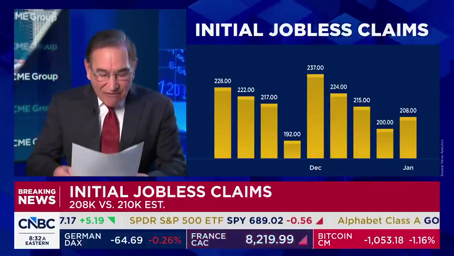 0:30 Un indicateur financier passe de 136 milliards en mars à −29,4 milliards
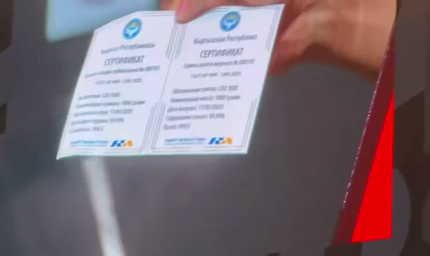 0:55 Déballage d’un lingot du Kirghizistan : est-ce de l’or véritable
 0:23 Atelier de création de parfum à Birmingham
 7:58 Launch of Canada's Real-Time Payment System
 iPhone app Translate videos on your iPhone Paste a TikTok, Instagram or X link, add subtitles in your language and save the video to Photos.

TranslateMom transcribes and translates videos from X, TikTok, YouTube and Instagram. Paste a link and you get a page like this one, in your language.