
نائب من كنتاكي يعلن قرارًا لعزل وزير الدفاع بيت هيغسيث
6 min Machine translated Filmed in United States Politics
6 min Machine translated Filmed in United States Politics
لأي غرض يطلب السيد من كنتاكي الاعتراف به؟
سيدي الرئيس، عملاً بالبند 2A1 من القاعدة 9، أطلب الاعتراف بي للإخطار بنيتي بطرح مسـ... سؤال يتعلق بامتيازات المجلس.
صيغة القرار كما يلي.
عزل بيتر براين هيغسيث، وزير الدفاع، لارتكابه جرائم وجنحًا جسيمة.
تقرر عزل بيتر براين هيغسيث، وزير الدفاع، المعروف أيضًا باسم وزير الحرب لدى الإدارة، لارتكابه جرائم وجنحًا جسيمة، وعرض مواد العزل التالية على مجلس الشيوخ الأمريكي.
مواد العزل المقدمة من مجلس النواب للولايات المتحدة الأمريكية، باسم المجلس نفسه و باسم شعب الولايات المتحدة الأمريكية، ضد بيتر برايان هيغسيث، وزير الدفاع، في مواصلة ودعم إجراءات عزله ضده بسبب جرائم جسيمة وجنح.
المادة الأولى، شنّ حرب بما يخالف قرار صلاحيات الحرب لعام 1973، القسم 2C.
ينص الدستور على أن مجلس النواب يملك وحده سلطة توجيه الاتهام بغرض العزل، وأن المسؤولين المدنيين في الولايات المتحدة، بمن فيهم وزير الدفاع، يُعزلون من مناصبهم عند توجيه الاتهام إليهم بسبب، وإدانتهم بالخيانة أو الرشوة، أو جرائم جسيمة أو جنح أخرى،
وجنح. في تصرفاته أثناء توليه منصب وزير الدفاع، بيتر برايان هيغسيث، منتهكًا قسمه على دعم الدستور والدفاع عنه في الولايات المتحدة، ومخالفًا لواجبه الدستوري لضمان تنفيذ القوانين بأمانة، ولا سيما فيما يتعلق بشنّ الحرب، أساء استخدام صلاحيات وزارة الدفاع، فيما يلي:
إن بند إعلان الحرب في دستور الولايات المتحدة، المادة الأولى، القسم 8، البند 11، يمنح الكونغرس وحده سلطة المبادرة إلى شنّ الحرب، في حين أن بند الشؤون العسكرية والإدارية والعفو في دستور الولايات المتحدة، المادة الثانية، القسم 2، البند 1،
يجعل الرئيس القائد الأعلى للقوات المسلحة ويمنحه السيطرة العملياتية على الحروب التي يجيزها الكونغرس قانونًا.
وفي محاولة لتحديد الظروف بموجب القانون التي يجوز للرئيس في ظلها إدخال القوات المسلحة الأمريكية في أعمال قتالية دون تفويض من الكونغرس، سنّ الكونغرس الثالث والتسعون للولايات المتحدة قانون قرار مجلس النواب المشترك رقم 542، قرار صلاحيات الحرب لعام 1973،
القانون العام رقم 93-148، بعد تجاوز فيتو الرئيس ريتشارد نيكسون.
قام بيتر برايان هيغسيث، بصفته وزير الدفاع، بتنفيذ أوامر غير قانونية، في انتهاك للمادة 2C من قرار صلاحيات الحرب لعام 1973، المادة 1541C من الباب 50، من قانون الولايات المتحدة.
تنص المادة 2 على ما يلي، اقتباسًا: «إن الصلاحيات الدستورية للرئيس، بصفته القائد الأعلى لإدخال القوات المسلحة للولايات المتحدة في أعمال عدائية، أو في حالات تشير فيها الظروف بوضوح إلى قرب الانخراط في أعمال عدائية، لا تُمارَس إلا وفقًا لأحد ما يلي: أولًا،
إعلان حرب، ثانيًا، تفويض تشريعي محدد، أو ثالثًا،» حالة طوارئ وطنية ناجمة عن هجوم على الولايات المتحدة، أو أقاليمها أو ممتلكاتها، أو قواتها المسلحة». انتهى الاقتباس.
وينص قانون صلاحيات الحرب صراحةً كذلك على أن لا يجوز تفسير أي حكم فيه على أنه يمنح الرئيس أي صلاحية لإدخال القوات المسلحة للولايات المتحدة في أعمال عدائية لا يملك الرئيس صلاحيةً أخرى للقيام بها في غياب هذا القرار.
وبناءً عليه، فإن إجراءات الإبلاغ وإنهاء الأعمال العدائية التي أُنشئت لاحقًا بموجب القرار لا تشكّل في حد ذاتها تفويضًا تشريعيًا صريحًا للبدء في أعمال عدائية.
بل يجب أن يستند إدخال القوات المسلحة للولايات المتحدة في أعمال عدائية إلى إحدى الصلاحيات أو الظروف المحددة في القسم 2C في أمراً لازماً لاعتبار النزاع قانونياً.
فيما يتعلق بدخول القوات المسلحة للولايات المتحدة في أعمال قتالية في جمهورية إيران الإسلامية في 28 فبراير 2026، وجّه الوزير هيغسيث وأمر بإدخال القوات المسلحة للولايات المتحدة في أعمال قتالية ضد جمهورية إيران الإسلامية، رغم أن، أولاً،
الكونغرس لم يعلن الحرب على جمهورية إيران الإسلامية، وثانياً، لم يصدر الكونغرس أي تفويض قانوني محدد بإدخال القوات المسلحة للولايات المتحدة في أعمال قتالية ضد جمهورية إيران الإسلامية، وثالثاً، لم تُعلن حالة طوارئ وطنية بسبب هجوم شنّته جمهورية إيران الإسلامية على الولايات المتحدة أو أقاليمها أو ممتلكاتها أو قواتها المسلحة.
علاوة على ذلك، لم يكن هناك هجوم وشيك على الولايات المتحدة، أو أقاليمها أو ممتلكاتها، أو قواتها المسلحة، كما أكدت رسالة استقالة جو كينت المؤرخة في 17 مارس 2026، وكان حينها مدير المركز الوطني لمكافحة الإرهاب، حيث قال، وأقتبس،
«لا أستطيع بضمير مرتاح أن أؤيد الحرب المستمرة في إيران.
لم تشكل إيران أي تهديد وشيك لأمتنا»، انتهى الاقتباس.
لذلك، فإن إدخال القوات المسلحة للولايات المتحدة في أعمال عدائية ضد جمهورية إيران الإسلامية لم يستوفِ أيًّا من الظروف المحددة صراحةً في القسم 2C من قرار صلاحيات الحرب.
End of transcript · 665 words · machine translated
For what purpose does the gentleman from Kentucky seek recognition?
Mr. Speaker, pursuant to Clause 2A1 of Rule 9, I seek recognition to give notice of my intent to raise a ques- a question of the privileges of the House.
The form of the resolution is as follows.
Impeaching Peter Brian Hegseth, Secretary of Defense, for high crimes and misdemeanors.
Resolved, that Peter Brian Hegseth, Secretary of Defense, also referred to as Secretary of War by the administration, is impeached for high crimes and misdemeanors, and that the following articles of impeachment be exhibited Articles of impeachment exhibited by the House of Representatives of the United States of America,
in the name of itself and of the people of the United States of America, against Peter Brian Hegseth, Secretary of Defense, in maintenance and support of its impeachment against him for high crimes and misdemeanors.
Article one, waging war in contravention of the War Powers Resolution of 1973, Section 2C.
The Constitution provides that the House of Representatives shall have the sole power of impeachment, and that civil officers of the United States, including the Secretary of Defense, shall be removed from office on impeachment for,
and conviction of, treason, bribery, or other high crimes or misdemeanors-- and misdemeanors.
In his conduct while Secretary of Defense, Peter Brian Hegseth, in violation of his oath to support and defend the Constitution of the United States, and in violation of his constitutional duty to take care that the laws be faithfully executed,
especially with regard to the commission of war, has abu-abused the powers of the Department of Defense in that: the Declare War Clause of the United States Constitution, Article 1, Section 8, Clause 11, vests in Congress the exclusive initiatory powers of war,
while the Military, Administrative, and Clemency Clause of the United States Constitution, Article 2, Section 2, Clause 1, establishes the President as the Commander-in-Chief of the Armed Forces and vests in him operational control over wars lawfully authorized by Congress.
In an effort to statutorily delineate the circumstances under which the President may introduce United States Armed Forces into hostilities absent congressional authorization, the 93rd Congress of the United States enacted into law House Joint Resolution 542,
the War Powers Resolution of 1973, Public Law 93-148, by overriding the veto of President Richard Nixon.
Peter Brian Hegseth, in his capacity as Secretary of Defense, has executed unlawful orders in contravention of Section 2C of the War Powers Resolution of 1973, Section 1541C of Title 50, United States Code.
Section 2 provides that, quote, "The constitutional powers of the President as Commander-in-Chief to introduce United States Armed Forces into hostilities or into situations where imminent involvement in hostilities is clearly indicated by the circumstances are exercised only pursuant to, one,
a declaration of war, two, specific statutory authorization, or three, a national emergency created by attack upon the United States, its territories or possessions, or its armed forces," unquote.
The War Powers Resolution further expressly provides that nothing contained therein shall be construed as granting any authority to the President to introduce United States Armed Forces into hostilities which the President would not otherwise possess in the absence of the resolution.
Accordingly, the reporting and termination procedures subsequently established by the resolution do not themselves constitute affirmative statutory authorization to commence hostilities.
Rather, the introduction of the United States Armed Forces into hostilities must rest upon one of the authorities or circumstances identified in Section 2C in order for a conflict to be considered lawful.
With respect to United States Armed Forces being entered into hostilities in the Islamic Republic of Iran on February 28th, 2026, Secretary Hegseth directed and caused United States Armed Forces to be introduced into hostilities against the Islamic Republic of Iran,
notwithstanding that, one, Congress had not declared war against the Islamic Republic of Iran, two, Congress had not enacted any specific statutory authorization for the introduction of United States Armed Forces into hostilities against the Islamic Republic of Iran, and three,
no national emergency had been created by an attack by the Islamic Republic of Iran upon the United States, its territories or possessions, or its armed forces.
Furthermore, no imminent attack upon the United States, its territories or possessions, or its armed forces existed, as affirmed in the March 17th, 2026 resignation letter of Joe Kent, then Director of the National Counterterrorism Center,
in which he stated, quote, "I cannot in good conscience support the ongoing war in Iran.
Iran posed no imminent threat to our nation," unquote.
The introduction of United States Armed Forces into hostilities against the Islamic Republic of Iran therefore satisfied none of the circumstances expressly identified in Section 2C of the War Powers Resolution.
 1:33 الهيمنة الشاملة والاستبداد: كيف يطمس الإرهاب والأيديولوجيا الحقيقة
 0:36 رحلة من كانكون إلى فينيكس وادعاءات عن الاتصالات والسيطرة الحكومية
 2:23 جدل بين متحاورين حول رسالة من نايوبيرغ والتحول الديني في إيران
 1:22 مزاعم عن انقطاع الكهرباء وعمليات عسكرية ضد نخبة مالية
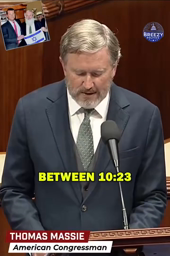 1:59 دعوة لعزل بيت هيغسيث بعد ضربة على مدرسة في إيران
 2:07 مؤيد للرعاية الصحية الشاملة يقبل تسميتها «ترامب كير للجميع»
 2:02 تقرير القطيعة النظيفة وإسرائيل والجدل حول الولاء المزدوج للمحافظين الجدد
 1:58 لماذا يدعو منتقد لترامب الديمقراطيين إلى التصدي لتنمره؟
 1:18 مزاعم عن تمويل عائلة روتشيلد للعائلة الملكية البريطانية ونسبها
 2:19 مزاعم تربط أطفال اليهود اليمنيين ببرنامج إسرائيل النووي
 0:39 ترامب يتحدث عن انتصاراته الانتخابية وحشود تجمعاته وسط تساؤلات عن تأييداته
 1:04 هل لإسرائيل حق في الوجود؟ نقد للصهيونية
 iPhone app Translate videos on your iPhone Paste a TikTok, Instagram or X link, add subtitles in your language and save the video to Photos.

TranslateMom transcribes and translates videos from X, TikTok, YouTube and Instagram. Paste a link and you get a page like this one, in your language.