
Antiparasitarios contra el cáncer: ivermectina y mebendazol en investigación
2 min Machine translated Health
2 min Machine translated Health
Durante, eh, el último año y medio, he estado trabajando con antiparasitarios que se están reutilizando para tratar el cáncer.
Son ivermectina, eh, mebendazol y fenbendazol.
Y la razón es que hay una gran cantidad de investigaciones.
Hay más de cuatrocientos artículos publicados sobre la ivermectina y el cáncer.
Hay más de doscientos cuarenta artículos publicados sobre el mebendazol y el cáncer.
De hecho, Johns Hopkins obtuvo discretamente una patente en 2021 sobre el mebendazol para tratar el cáncer, en concreto, el cáncer más agresivo, eh, el glioblastoma, el cáncer cerebral, un cáncer extremadamente agresivo.
Johns Hopkins tiene la patente. También están llevando a cabo discretamente varios ensayos clínicos con mebendazol para tratar el cáncer.
Hay cáncer de colon, eh, cáncer gástrico y cáncer cerebral, incluso niños, niños con cáncer cerebral también.
Así que esto no es algo marginal. Esto no es, eh, algo que esté fuera de lo común.
Eh, de hecho, hay ciencia real detrás de esto, y patentes que lo respaldan.
Y cuando buscas en muchas de las IA, eh, por ejemplo, en Perplexity AI, y preguntas: «¿Cuáles son los fármacos reutilizados más prometedores para los pacientes de cáncer terminales hoy en día?»
En los resultados de búsqueda, aparecerá entre los tres primeros, la ivermectina en el primer puesto, el mebendazol y el fenbendazol.
Eh, otros antiparasitarios, como la hidroxicloroquina, estarán entre los diez primeros.
La curcumina estará entre los diez primeros.
El EGCG, que proviene de un extracto de té verde, estará entre los diez primeros.
El resveratrol estará entre los diez primeros.
La metformina, que es un medicamento para la diabetes, pero también tiene actividad anticancerígena, entre los diez primeros también.
Y lo que he descubierto al trabajar con estos antiparasitarios es que, eh, hay un beneficio para los pacientes en al menos el setenta y cinco por ciento de los casos
End of transcript · 307 words · machine translated
For the past, uh, year and a half, I've been working with antiparasitics that are being repurposed for cancer.
This is ivermectin, uh, mebendazole, and fenbendazole.
And the reason is because there's a big body of research.
There are over four hundred published papers on ivermectin in cancer.
There are over two hundred and forty published papers on mebendazole in cancer.
In fact, Johns Hopkins quietly secured a patent in twenty twenty-one on mebendazole for treatment in cancer, specifically the most aggressive cancer, uh, which is glioblastoma, brain cancer, extremely aggressive cancer.
Johns Hopkins has the patent. They are also running quietly several clinical trials with mebendazole in cancer.
There's colon cancer, uh, gastric cancer, and brain cancer, including children, children with, with brain cancers as well.
So this is not fringe. This is not, uh, something that is far out.
Uh, there's actually real science behind it, patents behind it.
Um, and when you search a lot of the AIs, uh, for example, Perplexity AI, and you ask, "What are the most promising repurposed drugs for terminally ill cancer patients today?"
It will give you in its search, in the top three, you will get ivermectin as number one, mebendazole and fenbendazole.
Uh, there's other antiparasitics like hydroxychloroquine will be in the top ten.
You will have curcumin in the top ten. You will have EGCG, which is from a green tea extract, in the top ten.
Resveratrol in the top ten. Metformin, which is a diabetes drug, but also has anticancer activity, in the top ten as well.
And what I have found working with these antiparasitics is that, um, there is a benefit to patients in at least seventy-five percent of the cases
 1:46 Bórax: afirmaciones sobre la artritis, el fluoruro y su seguridad
 0:49 Afirmaciones sobre Pfizer, el cuajo modificado genéticamente y el queso
 0:51 Ácido cítrico en electrolitos: afirmaciones sobre el moho negro y la seguridad
 0:28 Cambios en las dosis diarias en libros de farmacología
 2:42 Ajo, infecciones por estafilococo y un remedio medieval contra el SARM
 1:41 ¿Puede una plancha diaria quemar grasa abdominal
 4:18 Un hombre relata una mejora de la visión tras usar DMSO
 3:47 Ejercicios con pelota de tenis y parche para la coordinación visual
 1:04 Críticas al calendario de vacunación infantil y sus posibles riesgos
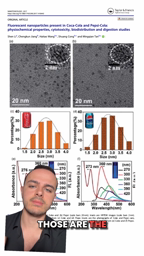 2:14 Estudio detecta nanopartículas de carbono en Coca-Cola y Pepsi
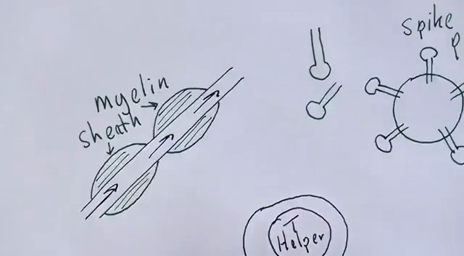 2:30 Vacunas contra la COVID-19 y esclerosis múltiple: una supuesta relación
 1:12 Afirmaciones sobre los microondas, los alimentos y la salud
 iPhone app Translate videos on your iPhone Paste a TikTok, Instagram or X link, add subtitles in your language and save the video to Photos.

TranslateMom transcribes and translates videos from X, TikTok, YouTube and Instagram. Paste a link and you get a page like this one, in your language.