
Ivermectina, mebendazol e fenbendazol na pesquisa sobre câncer
2 min Machine translated Health
2 min Machine translated Health
No último ano e meio, mais ou menos, tenho trabalhado com antiparasitários que estão sendo reaproveitados para tratar câncer.
São ivermectina, mebendazol e fenbendazol.
E o motivo é que há muitos estudos sobre isso.
Há mais de quatrocentos artigos publicados sobre ivermectina no tratamento do câncer.
Há mais de duzentos e quarenta artigos publicados sobre mebendazol no tratamento do câncer.
Na verdade, a Johns Hopkins registrou discretamente uma patente em dois mil e vinte e um para o uso do mebendazol no tratamento do câncer, especificamente do câncer mais agressivo, que é o glioblastoma, câncer cerebral, extremamente agressivo.
A Johns Hopkins tem a patente. Também está conduzindo discretamente vários ensaios clínicos com mebendazol para tratar o câncer.
Há câncer de cólon, câncer gástrico e câncer cerebral, incluindo crianças, crianças com câncer no cérebro também.
Então, isso não é algo marginal. Isso não é, ah, algo muito fora da realidade.
Ah, na verdade, há ciência real por trás disso, patentes por trás disso.
E, quando você pesquisa em muitas IAs, ah, por exemplo, na Perplexity AI, e pergunta: "Quais são os medicamentos reaproveitados mais promissores para pacientes com câncer em estágio terminal hoje?"
Na busca, ela vai mostrar, entre os três primeiros, a ivermectina em primeiro lugar, mebendazol e fenbendazol.
Ah, há outros antiparasitários, como a hidroxicloroquina, entre os dez primeiros.
A curcumina estará entre os dez primeiros.
O EGCG, que vem de um extrato de chá verde, estará entre os dez primeiros.
O resveratrol estará entre os dez primeiros.
A metformina, que é um medicamento para diabetes, mas também tem atividade anticancerígena, entre os dez primeiros também.
E o que descobri trabalhando com esses antiparasitários é que, hum, há um benefício para os pacientes em pelo menos setenta e cinco por cento dos casos
End of transcript · 294 words · machine translated
For the past, uh, year and a half, I've been working with antiparasitics that are being repurposed for cancer.
This is ivermectin, uh, mebendazole, and fenbendazole.
And the reason is because there's a big body of research.
There are over four hundred published papers on ivermectin in cancer.
There are over two hundred and forty published papers on mebendazole in cancer. hundred and forty published papers on mebendazole in cancer.
In fact, Johns Hopkins quietly secured a patent in twenty twenty-one on mebendazole for treatment in cancer, specifically the most aggressive cancer, uh, which is glioblastoma, brain cancer, extremely aggressive cancer.
Johns Hopkins has the patent. They are also running quietly several clinical trials with mebendazole in cancer.
There's colon cancer, uh, gastric cancer, and brain cancer, including children, children with, with brain cancers as well.
So this is not fringe. This is not, uh, something that is far out.
Uh, there's actually real science behind it, patents behind it.
Um, and when you search a lot of the AIs, uh, for example, Perplexity AI, and you ask, "What are the most promising repurposed drugs for terminally ill cancer patients today?"
It will give you in its search, in the top three, you will get ivermectin as number one, mebendazole and fenbendazole.
Uh, there's other antiparasitics like hydroxychloroquine will be in the top ten.
You will have curcumin in the top ten. You will have EGCG, which is from a green tea extract, in the top ten.
Resveratrol in the top ten. Metformin, which is a diabetes drug, but also has anticancer activity, in the top ten as well.
And what I have found working with these antiparasitics is that, um, there is a benefit to patients in at least seventy-five percent of the cases
 6:02 Oradora alega riscos reprodutivos em documentos sobre a vacina da Pfizer
 1:19 Dados da vacina da Pfizer e alegações sobre mortes notificadas
 2:36 Alongamentos de pescoço sentados para quem trabalha no computador
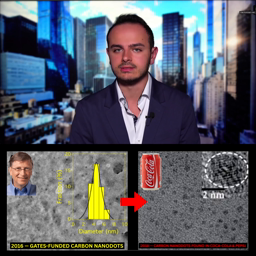 2:55 Nanopontos de carbono na Coca-Cola e Pepsi: estudo e alegações sobre Gates
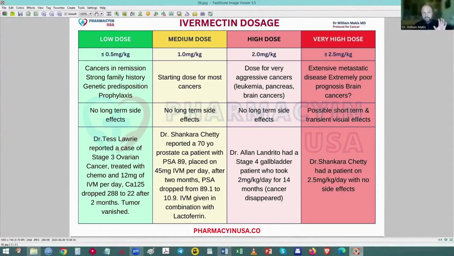 5:48 Ivermectina para câncer: alegações sobre doses e eficácia
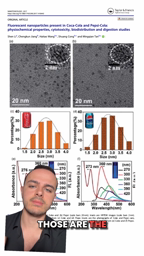 2:14 Estudo encontra nanopartículas de carbono na Coca-Cola e na Pepsi
 2:43 Alegações sobre segurança de vacinas infantis, Fauci e doenças crônicas
 2:12 Participante questiona peptídeos, Ozempic e tratamentos injetáveis
 0:52 Raspadores de língua de cobre: alegações sobre bactérias e cura
 1:25 Suco de romã: alegados benefícios para o intestino, a pressão e a energia
 1:37 Alegações sobre documentos da Pfizer e reações à vacina contra a COVID-19
 2:01 Concerns Over COVID-19 Vaccine Risks
 iPhone app Translate videos on your iPhone Paste a TikTok, Instagram or X link, add subtitles in your language and save the video to Photos.

TranslateMom transcribes and translates videos from X, TikTok, YouTube and Instagram. Paste a link and you get a page like this one, in your language.