
Federico García Lorca’s Legacy and the Fight for Equality
2 min About Spain
As I looked forward to this morning, I have returned to the words of a man who I know is a hero to many here, Federico García Lorca. "Córdoba, far and lonely, black pony, full moon, and olives in my pocket. Although I know the roads, I'll never reach Córdoba."
When García Lorca published Writer's Song nearly ninety years ago, the world, just as it is now, was in a moment of immense darkness and upheaval.
Fascism crept across Europe. Here in New York, where García Lorca had found a deep resonance between the African American poetry of Harlem and the flamenco of his native Spain, isolationism was the prevailing movement of the day.
Our nation had been scarred by conflict and suffering.
In nineteen thirty-seven, we did not see ourselves as interconnected, but safer the more separate we were.
In Spain, as the Civil War raged, Franco's forces of repression perpetrated atrocities against those they deemed to be too left-wing. A year before Writer's Song was published, García Lorca was killed by Franco's men, executed by a firing squad. He was right. He never reached Córdoba.
García Lorca never concealed his beliefs.
He believed too deeply in the possibility of a better world.
Today, nine decades later, those of us in this room hold the power to make that vision a reality.
We can carry our movement for equality and justice to further horizons than we ever thought possible.
The full moon guides our path, and we too know the roads.
I'm so proud to be joined by Prime Minister Sánchez and Motley, two champions of working people.
End of transcript · 271 words
 2:23 Lessons from Childhood Experiences
 4:00 Comedic Relationship Anecdotes
 1:59 Office Meeting and Financial Updates
 5:38 Discussion on Religious Beliefs and Tolerance
 2:46 Experiment on Church Assistance for Formula
 1:28 Discussion on Relationships and Film Plans
 2:57 Trump's Economic Strategy and Foreign Investment
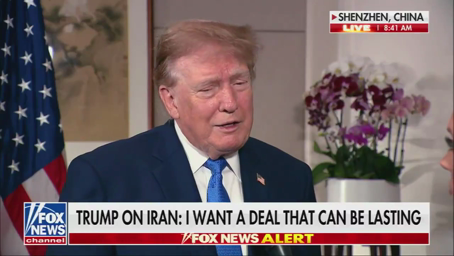 1:18 Military Strategy and Iran Negotiations
 2:20 Concerns Over Smallpox Vaccine Deployment
 4:30 Exploring AI's Role in Society
 4:59 Election Rights and Police Interference
 3:12 Brookfield's Major Deals and Investments
 iPhone app Translate videos on your iPhone Paste a TikTok, Instagram or X link, add subtitles in your language and save the video to Photos.

TranslateMom transcribes and translates videos from X, TikTok, YouTube and Instagram. Paste a link and you get a page like this one, in your language.