
DMSO e pé caído: relato de uma esposa sobre alívio da dor e recuperação
3 min Machine translated Filmed in Australia Health
3 min Machine translated Filmed in Australia Health
De repente, essa dor, como se fosse por toda a parte, tipo no lado direito dele, doía.
Ele passava a noite acordado, com dores excruciantes.
Eu… cheguei ao ponto de não poder sair e ficar com ele o tempo todo só porque… ele saía porque sentia tanta dor.
Ele simplesmente… tinha que, tinha que se levantar e ir só para chorar. Sentia tanta dor. Era terrível.
Certa manhã, estávamos olhando a perna dele, e eu disse: "Você tem um grande afundamento na perna."
Hum, os quatro grupos musculares dele, o… era o…
músculo tibial anterior? Acho que é esse.
É esse que morre. Hum, e, na verdade, a cada dia parecia estar ficando maior.
Como se estivesse desaparecendo. Só havia o osso.
Dava para ver onde havia músculo, depois havia uma depressão, e então dava para ver que só havia osso, e aí você veria mais músculo de novo.
E ele já tinha tomado tanta droga que se recusaram a dar mais a ele, hum, porque ele teria tido uma overdose.
Hum, mas ainda assim nem chegava a aliviar nem quase nada da dor que ele sentia.
Talvez amenizasse um pouco, mas era só isso.
Basicamente, passei em toda a perna dele, e, em cinco minutos, ele disse: — Jo, metade da dor passou.
E eu disse: — O quê? Sério? E ele respondeu: — Sim.
Ele disse: — Metade da dor passou. Hum, talvez uns vinte minutos depois, a dor meio que voltou.
Então continuamos aplicando porque foi o maior alívio que ele teve em meses, naquele momento.
Um dos melhores neurocirurgiões de Brisbane olhou para Brent e disse: — Sinto muito, cara — mas foi direto ao ponto e disse: — Seu músculo... seu músculo se foi.
Seu músculo morreu. Hum, “Então não há muito que eu possa fazer por você.”
E, por incrível que pareça, o músculo dele voltou a crescer, cresceu o bastante para o cirurgião encontrar onde era o problema, desobstruí-lo e ajeitar um pouco os nervos, hum, com, com parte dele obviamente muito, muito comprimida,
hum, e ele teve que fazer um pouco de microcirurgia e coisas do tipo.
Mas agora o fluxo sanguíneo está voltando ao músculo e está tudo bem.
E, de todas as pessoas com pé caído que eu realmente vejo por aí, porque conversamos com elas, hum, ele é de longe quem anda melhor e não precisa usar, porque gastamos quase 2 mil dólares numa órtese específica para o pé para ele e todo tipo de coisa.
E agora ele só usa chinelos. O alívio da dor que isso proporcionou ao meu marido naqueles primeiros, Como nas primeiras seis a oito semanas, foi só... não havia nada.
Como eu disse, deram a ele todos os analgésicos que podiam, mas o DMSO, ele, ele durava mais, hum, e o alívio da dor, ele chegou a ter noites em que ele não ficava, simplesmente não ficava lá fora, na varanda, agonizando.
End of transcript · 483 words · machine translated
All of a sudden, this pain, like all, all down, like his right side, um, aching.
He was up night in excruciating pain. I would-- I got to the point I couldn't go out and sit with him all the time just because-- he'd go outside because he was in so much pain.
He, he was just-- had to, had to get up and go and just cry. He was in so much pain. It was terrible.
One morning, we were looking at his leg, and I'm going, "You've got a big dent in your leg."
Um, his four muscle sets, the, was it the, uh, tibialis anterior muscle? I believe it is.
That's the one that dies. Um, and it actually, each day it was nearly actually getting bigger.
Like, it was like it was disappearing. It was just the bone.
You could see, uh, where muscle was, then there'd be a drop, and then you'd see, well, only bone, and then you'd see a bit more muscle again.
And he was on enough drugs that they refused to give him any more, um, because he would have OD'd.
Um, but it still wasn't even getting in on top of barely any of the pain for him.
Maybe taking the edge off, but that was it.
I just basically put it all over his leg, and within five minutes he goes, "Jo, half the pain's gone."
And I went, "What? Really?" And he said, "Yeah."
He said, "Half the pain's gone." Um, probably maybe about 20 minutes later, it sort of came back.
So we just kept applying it because it's the, the most relief he had had in months at that point.
One of Brisbane's top neurosurgeons, and he actually looked at Brent and he said, "Sorry, mate," but like, he told him straight up, "Your muscle's, your muscle's gone.
Your muscle's dead." Um, "So there's not much I can do for you."
And it's grown his muscle back, amazing enough, grew back enough that the surgeon could actually find where the problem was, dislodge it, do a bit of nerve tidying up, um, with, with some of it was obviously very, very compressed,
um, and he had to do a bit of microsurgery and stuff like that on it.
But now the blood flow is getting back to the muscle and it's okay.
And out of all the drop foot people that I actually do see around, because we talk to them, um, he's by far the best walker and doesn't have to wear it, because we spent like 2,000 dollars nearly on a particular orthotic foot brace thing for him and all sorts of stuff.
And now he just wears his thongs. The pain relief that it gave my husband in those first, like about the first six to eight weeks, it was just-- nothing was.
As I said, they had him on every painkiller they could, but the DMSO, it, it lasted the longest, um, and the pain relief, he was actually having nights where he wasn't, just wasn't outside on the balcony in agony.
 3:40 Bill Gates sobre pandemias, segurança das vacinas e crescimento populacional
 3:32 Alegações falsas sobre vacinas, imunidade e HIV
 6:55 Indústria farmacêutica e FDA: alegações de ocultismo e corrupção
 2:55 Alegações de contaminação por DNA nas vacinas da Pfizer e Moderna
 1:18 Jejum, células senescentes e o processo de limpeza do corpo
 3:39 Como mudaram as diretrizes de pressão arterial e o uso de medicamentos
 2:29 Reação ao teste de mRNA de uma pessoa não vacinada contra a COVID-19
 2:55 Pesquisa de Katie Hinde sobre o Leite Materno: Além da Nutrição
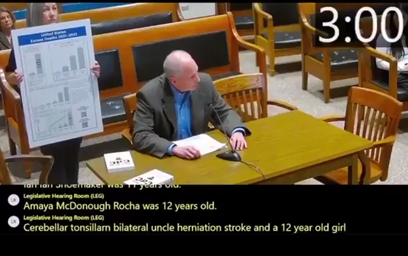 1:51 Alegações de mortes após vacinas e falhas nos registros em Massachusetts
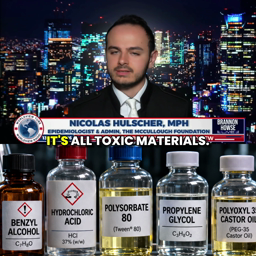 2:01 Vitamina K em Recém-Nascidos: Riscos Alegados e Alternativa Oral
 1:15 Enfermeira Questiona Vacina contra Hepatite B em Bebês e Relata Advertência
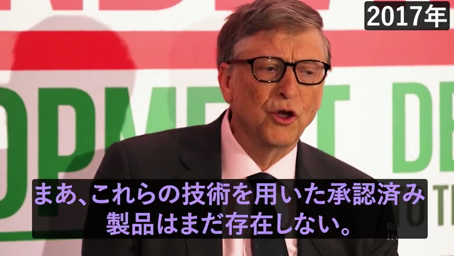 1:49 Preparação para Pandemias, Vacinas de RNA e Crescimento Populacional
 iPhone app Translate videos on your iPhone Paste a TikTok, Instagram or X link, add subtitles in your language and save the video to Photos.

TranslateMom transcribes and translates videos from X, TikTok, YouTube and Instagram. Paste a link and you get a page like this one, in your language.