
Ataques cibernéticos a bancos, moedas digitais e simulações de killware
3 min Machine translated About United States Money & business
3 min Machine translated About United States Money & business
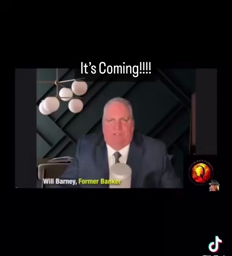
O ciberataque parece um cenário muito possível porque é uma forma de os bancos se eximirem de qualquer papel numa crise financeira.
É, é uma forma fácil de, é, consolidar os bancos para que só os sistemicamente importantes sobrevivam ao ataque.
É, e também pode ser um meio muito eficaz de integrar as pessoas a esse novo paradigma de moeda digital.
Então, por exemplo, digamos que essa crise financeira, é, ciber… que esse ciberataque aos bancos aconteça, e eles digam: “Bem, o dinheiro que havia na sua conta desapareceu.
Os hackers o levaram, mas podemos devolver a você a mesma quantia exata que você tinha, mas não será em dólares como os que você tinha antes.
Será em USDC ou nessa moeda estável lastreada em dólar, ou será nesse token.”
Então você pode receber um equivalente uma quantia de dinheiro de volta, certo, hum, do dinheiro que foi roubado de você, mas tem que ser esse dinheiro novo.
Tem que fazer parte desse novo sistema. Existe a possibilidade de pessoas roubarem dinheiro de você e depois, basicamente, devolverem a você, mas com novas condições e um novo tipo de contrato social.
Sim. Você aceitou voluntariamente esse novo sistema e aderiu voluntariamente a esse, hum, novo paradigma, mas isso é uma coerção em grau extremo.
Todo o seu dinheiro foi roubado, certo? E agora você só pode recuperá-lo se aceitá-lo na forma de dólares digitais que nós aprovamos ou dos, sabe, das CBDCs, dependendo de onde você está, sabe. Uhum.
Então, o chefe do DHS, Alexander Mayorkas, declarou oficialmente que a próxima grande ameaça aos americanos é um evento de cibersegu— de cibersegurança que ele chamou de killware.
E killware certamente parece muito assustador, mas, se você ler a definição existente, ela se refere a ciberataques a infraestruturas essenciais que podem matar pessoas.
Então, não significa que mate pessoas, como o nome sugere, mas ataca coisas como os sistemas de água, a rede elétrica, infraestruturas essenciais, de que dependem todos os dias.
Esta empresa chamada Cybereason, em 2020, simulou um ataque massivo de killware que tinha como alvo uma eleição presidencial dos EUA.
E, para realizar essa simulação de killware, que fizeram com o DHS e algumas agências policiais dos EUA, é… o objetivo era cancelar a eleição presidencial dos EUA e decretar lei marcial.
Então, basicamente, por meio dessa simulação, determinaram que tipos de ataques hackers, é, poderia conseguir alcançar, é, a declaração da lei marcial e o cancelamento de uma eleição presidencial dos EUA, o que é bem ex— bem extremo.
Então, por que estão fazendo isso? Por quê?
Não sei.
End of transcript · 434 words · machine translated
The cyberattack seems like a very possible scenario because it's a way for the banks to absolve themselves of any role in a financial crisis.
Um, it's an easy way to, uh, consolidate banks so that only systemically important ones survive the hack.
Um, and it could also potentially be a very effective means of onboarding people onto this new digital currency paradigm.
So, for example, let's say this financial, um, cyber, this cyberattack on the banks takes place, and they say, "Well, the existing money in your account has disappeared.
The hackers took it, but we can return to you the exact same amount of money you had, but it won't be in the dollars you had before.
It will be in USDC or this dollar-backed stable coin, or it will be this token."
So you can get an equivalent amount of money back, right, um, from the money that was stolen from you, but it has to be this new money.
It has to be part of this new system. There's the potential here for people to steal money from you and then essentially give it back to you, but with new conditions and with a new, like, social contract.
Yeah. You voluntarily accepted this new system and voluntarily onboarded to this, um, new paradigm, but it's a coercion to an extreme degree.
All of your money was stolen, right? And now you can only get it back if you take it in the form of the digital dollars that we approve of or the, you know, the CBDC, depending on where you are, you know. Mm-hmm.
So the head of DHS, Alexander Mayorkas, has said on record that the next big threat to Americans is a cybersecu- cybersecurity event that he called killware.
And killware certainly sounds very scary, but if you read the existing definition of it, it does, it, it refers to cyberattacks on essential infrastructure that has the potential to kill people.
So it doesn't necessarily kill people like in the name, but it attacks things like water systems, the power grid, essential infrastructure, uh, that people rely on every day.
This company called Cybereason in 2020 actually simulated a massive killware attack that was targeting a US presidential election.
And the way they conducted this killware simulation, which they did with DHS and some US law enforcement agencies, uh, was to get the US presidential election canceled and martial law declared.
So they basically, through that simulation, established what types of hacks, uh, could succeed in achieving, uh, the declaration of martial law and the cancellation of a US presidential election, which is pretty un-- pretty extreme.
So, yeah. So why are they doing that? Why?
I don't know.
 6:37 Alegações de crise bancária, movimentações militares e apagão de comunicação
 1:41 Renda pessoal sobe 0,8% e déficit comercial cai pela metade
 0:40 Dobrar salários: preços sobem e trabalhador é demitido
 2:08 Alegações sobre escassez de petróleo, Rockefeller e combustíveis fósseis
 1:07 Por que empreendedores de classe mundial pensam como polímatas
 0:28 Wojaks debatem a abertura de capital da AnswerPick e o hype da IA
 6:01 Alegações sobre clonagem humana, sintéticos e sósias de presidentes
 6:41 Comunidade reage a suposto roubo de mulher negra após acidente de carro
 1:15 Discussão no caixa sobre sacola, pagamento e demissão
 8:48 Queda de Learjet em Greenacres: investigação sobre clima e ruptura em voo
 3:32 Harry e uma aluna fazem reclamações absurdas em Hogwarts
 6:23 Mayday do N722BD: Piloto Relata Descida Descontrolada ao Controle de Miami
 iPhone app Translate videos on your iPhone Paste a TikTok, Instagram or X link, add subtitles in your language and save the video to Photos.

TranslateMom transcribes and translates videos from X, TikTok, YouTube and Instagram. Paste a link and you get a page like this one, in your language.