
How Your Body Processes Milk, Water and Coffee
2 min Machine translated Health
2 min Machine translated Health
You drink milk, water, and coffee. Do you think they do the same thing inside you? Look at this.
When you drink milk, saliva begins to break down the smaller fats.
You swallow, and the milk reaches your stomach, where gastric acids coagulate it into solid clumps.
Stomach contractions push the clumps toward the intestine, where it passes over the villi.
There, enzymes break down the lactose while nutrients and calcium are absorbed into the bloodstream, distributing proteins to repair your muscles and calcium to strengthen your bones and your whole body.
You're lactose intolerant and you drink milk.
You swallow, and the milk flows down your esophagus to your stomach, curdling as it comes into contact with gastric acid.
In the small intestine, people who don't produce enough lactase They can't digest lactose properly.
And that's where the problem begins. The lactose arrives intact to the large intestine, where water and bacteria ferment the lactose quickly.
The result? The gas gets trapped and makes your abdomen swell, sometimes painfully, but sooner or later, it has to come out.
When you drink water, it activates receptors that send signals to reduce your thirst.
You swallow, and the water travels down the esophagus to the stomach, where it mixes with gastric acid made of water.
The mixture moves into the small intestine, where the villi absorb the water, carrying it directly into the bloodstream to optimize your blood flow, speeds up the filtration of toxins in the kidneys, rehydrates the skin cells,
boosts your mental focus and refreshes your whole body.
Share this so people drink more water. When you gulp down ice-cold water, the sudden cold overstimulates the vagus nerve, slowing your heartbeat instantly.
Your gastric blood vessels suddenly constrict, causing cramps.
It even sends pain signals to the brain.
Drink it slowly. When you drink coffee, a very small amount of caffeine is absorbed in your mouth.
You swallow, and it travels down the esophagus toward the stomach, mixing with gastric acid within seconds.
It passes into the small intestine, where the villi absorb almost all the caffeine directly into the bloodstream, flowing easily to the brain to block the fatigue receptors, releasing dopamine and waking up your mind.
The adrenal glands release adrenaline, making your heart pump faster, while coffee stimulates the activity of your digestive system, leaving your body on full alert.
Three drinks, three different processes.
Which one surprised you the most?
End of transcript · 407 words · machine translated
Tomas leche, agua y café. ¿Crees que hacen lo mismo dentro de ti? Mira esto.
Cuando tomas leche, la saliva empieza a descomponer las grasas menores.
Traga y la leche llega al estómago, donde los ácidos gástricos la coagulan en grumos sólidos.
Los movimientos estomacales empujan los grumos hacia el intestino, donde pasa sobre las vellosidades.
Allí, las enzimas descomponen la lactosa mientras los nutrientes y calcio se absorbe en el torrente sanguíneo, repartiendo proteínas para reparar tus músculos y calcio para fortalecer tus huesos y todo tu cuerpo.
Eres intolerante a la lactosa y bebes leche.
Tragas y la leche fluye por tu esófago hacia tu estómago, cuajándose al entrar en contacto con el ácido gástrico.
En el intestino delgado, las personas que no producen suficiente lactasa no pueden digerir bien la lactosa.
Y ahí empieza el problema. La lactosa llega intacta al intestino grueso, donde el agua y las bacterias fermentan la lactosa rápidamente.
¿El resultado? El gas se queda atrapado e inflama tu abdomen, a veces con dolor, pero tarde o temprano tiene que salir.
Cuando tomas agua, se activan los receptores que mandan señales reduciendo la sed.
Tragas y el agua baja por el esófago hacia el estómago, donde se mezcla con ácido gástrico hecho de agua.
La mezcla se mueve al intestino delgado, donde las vellosidades absorben el agua, llevándola directamente al torrente sanguíneo para optimizar tu flujo de sangre, acelera la filtración de toxinas en los riñones, rehidrata las células de la piel,
potencia tu enfoque cerebral y refresca todo tu cuerpo.
Compártelo para que tomen más agua. En cuanto bebes agua helada rápido, el frío repentino sobreestimula el nervio vago, desacelerando tus latidos al instante.
Tus vasos sanguíneos gástricos se contraen de golpe, provocando calambres.
Incluso manda señales de dolor al cerebro.
Tómala despacio. Al tomar café, se absorbe una cantidad de cafeína muy pequeña en tu boca.
Tragas y baja por el esófago hacia el estómago, mezclándose con ácido gástrico en segundos.
Pasa al intestino delgado, donde las vellosidades absorben casi toda la cafeína directo al torrente sanguíneo, fluyendo fácilmente hacia el cerebro para bloquear los receptores del cansancio, liberando dopamina y despertando tu mente.
Las glándulas suprarrenales liberan adrenalina, haciendo que tu corazón bombee más rápido, mientras el café estimula la actividad de tu sistema digestivo, dejando tu cuerpo en alerta total.
Tres bebidas, tres procesos diferentes. ¿Cuál te sorprendió más?
 0:16 Casual conversation about a vaccine, nerves and a photo
 6:17 German Doctor on Practice Budgets and Child Health Checkups
 6:04 Lipid Nanoparticles in mRNA Vaccines: Structure and Side Effect Claims
 1:25 Benefits of Pomegranate Juice for Health
 0:33 Customer from Rasht Shops for Skincare and a Philips Shaver
 3:17 Graviola Tea Recipe and a Claim of Cancer Recovery
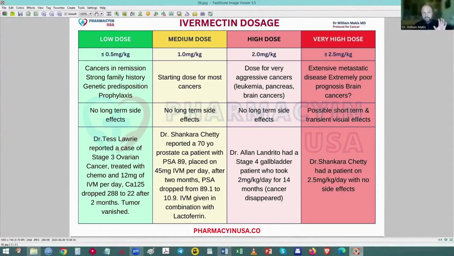 5:48 Ivermectin Dosing for Cancer Treatment
 1:48 A Taste of a Poisonous Plant Sparks an Argument
 1:47 Speaker Questions BioNTech and mRNA Vaccine Safety
 1:24 Kidney Dialysis Patients in Taiz Face Blocked Roads and Supply Shortages
 1:02 Discussion on COVID Vaccine Controversies
 0:42 A Message Before Difficult Surgery: Prayers for the Operation and People in Tents
 iPhone app Translate videos on your iPhone Paste a TikTok, Instagram or X link, add subtitles in your language and save the video to Photos.

TranslateMom transcribes and translates videos from X, TikTok, YouTube and Instagram. Paste a link and you get a page like this one, in your language.