
Cómo el envasado con monóxido de carbono mantiene roja la carne
2 min Machine translated Filmed in United States Health
Aunque no lo creas, lleva expuesta 11 días.
¿Cómo es posible que aún se vea tan fresca?
Es porque la envasan y la gasean con un proceso especial del que la mayoría nunca ha oído hablar, usando una cantidad inocua de monóxido de carbono, dióxido de carbono y nitrógeno, que hacen que la carne se vea fresca y de un rojo vivo.
¿Cuánto tiempo puede durar la carne con este proceso y seguir viéndose de un rojo vivo?
¿Que se vea roja? Mucho tiempo. Muchísimo.
¿Como dos o tres días? Dos o tres semanas. ¿Semanas?
El Dr. Ed Mills es profesor de ciencia de la carne en la Universidad Estatal de Pensilvania, y dice que el color de la carne no necesariamente indica que esté fresca.
El consumidor no puede fiarse de sus ojos.
Porque el consumidor no puede saber, con solo mirar el producto, si tiene dos o tres semanas.
Tienen que mirar la fecha de caducidad en el envase.
Para demostrar lo bien que funciona el gas monóxido de carbono, dejamos dos cortes de cordero a temperatura ambiente.
Uno estaba envasado con gas y el otro no.
Al cabo de unos días, la carne sin tratar se pone de un color oscuro y poco apetecible, pero la carne envasada con gas sigue roja incluso después de dejarla fuera ocho días.
La única señal visible de deterioro es el envase hinchado y el mal olor al abrirlo.
Hicimos analizar la carne en un laboratorio, y no sorprende que ambos cortes estén cargados de bacterias.
Probablemente, tras días a temperatura ambiente, ya no está fresca, pero parece fresca.
Sin almacenamiento refrigerado, no puedo asegurar que sea seguro consumirlo.
Un consumidor no puede mirar los ingredientes aquí… No…
y ver que se le ha añadido gas… No… a este paquete. No.
No tendrían forma de saberlo. John Nikolai dirige un sindicato que representa a los carniceros de Nueva Jersey.
Cree que la carne debe cortarse fresca en las tiendas por carniceros capacitados.
Díganle al consumidor: pongan un letrero grande que diga: «En esta tienda no cortamos ninguna carne fresca».
Nos dijo que habláramos con este carnicero sindicalista de Nueva Jersey.
Toda la carne que veo aquí en este mostrador no se cortó aquí. No.
No se corta nada aquí. Nada aquí. No. ¿De verdad saben los clientes que algunos de estos envases tienen gas?
Eh, no creo.
End of transcript · 396 words · machine translated
Believe it or not, it's been sitting out for 11 days.
So how could it still look so fresh? It's because it's being packed and gassed in a special process that most people never heard about, using a harmless amount of carbon monoxide, carbon dioxide, and nitrogen, which keeps the meat looking fresh and bright red.
How long through this process can you make a piece of meat continue to look bright red?
To look, to look red? Long time. A long time.
Like two days, three days? Two weeks, three weeks. Weeks?
Dr. Ed Mills is a professor of meat science at Penn State University, and he says the color of the meat doesn't necessarily indicate it's fresh.
The consumer can't believe their eyes. Because the consumer can't tell to look at the product that this is two weeks old or three weeks old.
They have to look at the sell-by date on the package.
To demonstrate how well carbon monoxide gas works, we left two cuts of lamb out at room temperature.
One was gas-packed, the other no gas. After a few days, the untreated meat turns a dark, unappealing color, but the gas-packed meat stays red even after being left out for eight days.
The only visible sign of spoilage is the package puffing out and a bad odor when opened.
We had the meat analyzed in a lab, and it's no surprise that both cuts are loaded with bacteria.
Probably after a few days in room temperature, it's not fresh, but it looks fresh.
Without refrigerated storage, I can't assure that the product is safe to consume.
A consumer can't look on the ingredients here- No ... and see that there's gas added- No ... to this package. No.
They'd have no way of knowing it. John Nikolai heads a union that represents butchers in New Jersey.
He thinks meat should be fresh cut in stores by trained butchers.
Tell the consumer, put up a big sign saying, "We do not cut any fresh meat in this store."
He told us to talk to this union butcher in New Jersey.
All of the meat that I see here in this display wasn't actually cut here. No.
None of it's cut here. None of it's cut here.
Nope. Do the customers really know that there's gas in some of this packaging?
Uh, I don't think so.
 1:06 Aceites de semillas industriales: afirmaciones sobre hexano e inflamación
 1:09 Dieta alta en azúcar, memoria de las ratas y alzhéimer: estudio de Brown
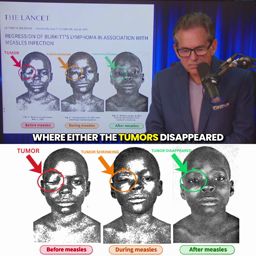 2:51 Sarampión y remisión del cáncer: el caso de un niño en 1971
 4:30 Afirmaciones sobre la microbiota intestinal, los somátidos y el diagnóstico de cáncer
 4:06 Afirmaciones sobre el ADN en las vacunas y las enfermedades autoinmunes
 1:44 Freidoras de aire y PFAS: dudas sobre el recubrimiento antiadherente
 1:03 Aceite de ricino para la visión: afirmaciones sobre sus beneficios
 2:44 Ejercicios oculares y afirmaciones sobre la visión y el uso de pantallas
 1:34 Cuestionamiento de la etiqueta antivacunas y debate sobre las vacunas
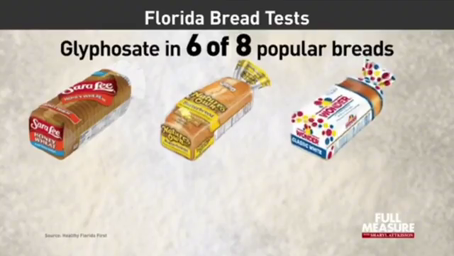 2:00 Glifosato en panes populares: pruebas de Florida y debate sobre su seguridad
 1:53 Sal y ácido estomacal: afirmaciones sobre el reflujo y el golpe de calor
 2:08 Tratamiento del cáncer y hemogramas: ¿se pasan por alto los linfocitos
 iPhone app Translate videos on your iPhone Paste a TikTok, Instagram or X link, add subtitles in your language and save the video to Photos.

TranslateMom transcribes and translates videos from X, TikTok, YouTube and Instagram. Paste a link and you get a page like this one, in your language.