
Alegações sobre colesterol, doenças cardíacas e estatinas
3 min Machine translated Health
3 min Machine translated Health
Atualize os ouvintes sobre isso. Esse é o maior mito da medicina convencional hoje em dia — Isso mesmo.
— que existe uma relação entre colesterol alto e doença cardíaca.
Essa relação não existe. E isso é um fato acadêmico.
Havia um médico russo chamado Uffe Ravnskov, que, acho, há 10 ou 15 anos, fez uma meta-análise de todas as pesquisas já publicadas em toda a história registrada sobre a relação entre colesterol e doença cardíaca.
A conclusão dele, baseada numa análise exaustiva da literatura, é que não há relação entre colesterol alto e doença cardíaca.
Essa relação não existe. O colesterol não é o anticristo.
O colesterol é tão importante para o corpo humano, que seu fígado o produz.
E essa história toda de colesterol bom, A história do colesterol ruim também é um mito.
O HDL é uma proteína transportadora que transporta o colesterol de partes do corpo onde ele não é mais necessário de volta ao fígado para ser armazenado.
É só o que faz. O LDL leva o colesterol do fígado para as partes do corpo que precisam dele.
E, como a indústria farmacêutica convenceu médicos com cérebros do tamanho de nozes de que o colesterol fazia mal, a progressão lógica é, bem, quando tiramos o colesterol do fígado e o levamos a outro lugar, isso é ruim,
embora seja a sabedoria do corpo que esteja incentivando isso.
E, quando removemos o colesterol dos tecidos do corpo e o levamos de volta ao fígado, isso é bom.
E isso é um absurdo. Não existe colesterol bom.
Não existe colesterol ruim. A única situação em que o colesterol é problemático é se passar de 450.
E mesmo assim, essa quantidade de colesterol no sangue não é um problema, mas há algo causando esse desequilíbrio, e é isso que precisa ser descoberto.
É… O colesterol está bem aqui. E, por ironia do destino, se você observar a introdução das estatinas no mercado— Aham.
— e as estatinas, aliás, reduzem o colesterol.
Aham. Elas reduzem o colesterol causando inflamação no fígado, porque o fígado produz colesterol e o envia para o corpo.
Então, as estatinas, que reduzem o colesterol, baixam o colesterol causando inflamação no fígado, por isso, se você estiver tomando uma estatina e seu médico estiver de acordo e já que está tudo em ordem, você deve fazer exames das enzimas hepáticas a cada quatro a seis semanas
só para garantir que os remédios para colesterol não afetem seu fígado, mas nunca é feito.
End of transcript · 415 words · machine translated
Update our listeners on this. That's the greatest myth in the field of conventional medicine right now- Mm-hmm.
-that there's a relationship between high cholesterol and heart disease.
It does not exist. This is an academic fact, by the way.
There was a Russian doctor named Uffe Ravnskov, who I think 10 or 15 years ago did a meta-analysis of all of the research ever published anywhere in recorded history on the relationship between cholesterol and heart disease.
His conclusion, based on an exhaustive review of the literature, there is no relationship between high cholesterol and heart disease.
It does not exist. Cholesterol is not the antichrist.
Cholesterol is so important to the human body, your liver will make it.
And by the way, the whole good cholesterol, bad cholesterol thing is also a myth.
HDL is a carrier protein that carries cholesterol from parts of the body where it's no longer needed back to the liver for storage.
That's all that it does. LDL takes cholesterol from the liver to parts of the body that need it.
And because the pharmaceutical industry convinced medical doctors with brains the size of walnuts that cholesterol was bad, the logical progression is, well, when we move cholesterol out of the liver somewhere in the body, that's a bad thing,
even though it's the wisdom of the body that's encouraging that.
And when we remove cholesterol from tissue in the body and bring it back to the liver, that's a good thing.
And it's nonsense. There's no such thing as good cholesterol.
There's no such thing as bad cholesterol.
The only time that cholesterol is problematic is if it's over 450.
And even then, the-- that amount of cholesterol in the blood is not a problem, but there's something that's giving rise to the imbalance there, and that's what needs to be figured out.
It's-- Cholesterol is fine here. And this from the department of irony department, if you look at the introduction of statin drugs to the marketplace- Mm-hmm.
-and statin drugs, by the way, lower cholesterol.
Mm-hmm. They lower cholesterol by creating inflammation in the liver because the liver makes cholesterol and sends cholesterol out to the body.
So cholesterol-lowering statin drugs lower cholesterol by creating inflammation in the liver, which is why if you're taking a statin drug and your, your medical doctor's on board and up to speed, you should have your liver enzymes tested about every four to six weeks just to make sure the cholesterol drugs aren't messing your liver up,
but that's never done.
 1:42 Alegações sobre colesterol, estatinas e doenças cardíacas
 2:55 Nanopontos de carbono na Coca-Cola e Pepsi: estudo e alegações sobre Gates
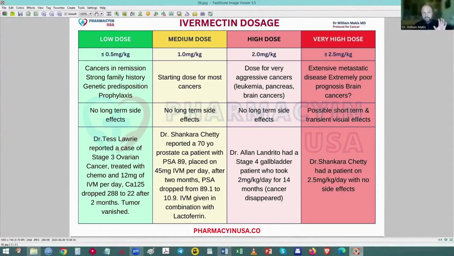 5:48 Ivermectina para câncer: alegações sobre doses e eficácia
 2:12 Participante questiona peptídeos, Ozempic e tratamentos injetáveis
 2:01 Concerns Over COVID-19 Vaccine Risks
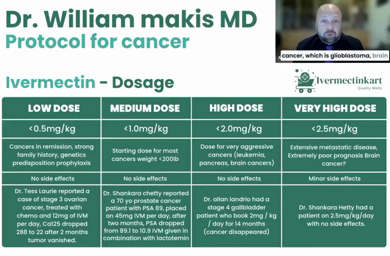 2:00 Ivermectina, mebendazol e fenbendazol na pesquisa sobre câncer
 2:43 Alegações sobre segurança de vacinas infantis, Fauci e doenças crônicas
 0:46 OMS: crise climática é uma crise de saúde antes da COP31
 0:52 Raspadores de língua de cobre: alegações sobre bactérias e cura
 1:19 Dados da vacina da Pfizer e alegações sobre mortes notificadas
 1:02 Misturas com Cravo e Seus Supostos Benefícios para a Saúde
 2:04 Relatório da Pfizer sobre vacina contra COVID: alegações de riscos cardíacos
 iPhone app Translate videos on your iPhone Paste a TikTok, Instagram or X link, add subtitles in your language and save the video to Photos.

TranslateMom transcribes and translates videos from X, TikTok, YouTube and Instagram. Paste a link and you get a page like this one, in your language.