
Ciberataques bancarios, monedas digitales y simulacros de killware
54 views 3 min Machine translated About United States Money & business
54 views 3 min Machine translated About United States Money & business
El ciberataque parece un escenario muy posible porque es una forma de eximirse de toda responsabilidad en una crisis financiera.
Eh, es una forma fácil de consolidar los bancos, para que solo sobrevivan al ataque los que son de importancia sistémica.
Eh, y también podría ser un medio muy eficaz para incorporar a la gente a este nuevo paradigma de moneda digital.
Por ejemplo, supongamos que ocurre esta crisis financiera, eh, este ciberataque a los bancos, y dicen: «Bueno, el dinero que había en tu cuenta ha desaparecido.
Los hackers se lo llevaron, pero podemos devolverte exactamente la misma cantidad de dinero que tenías, pero ya no serán los dólares que tenías antes.
Serán USDC o esta moneda estable respaldada por el dólar, o será este token».
Así que puedes obtener un equivalente una cantidad de dinero de vuelta, ¿no?
eh, del dinero que te robaron, pero tiene que ser este dinero nuevo.
Tiene que formar parte de este nuevo sistema.
Existe la posibilidad de que la gente te robe dinero y luego, básicamente, te lo devuelva, pero con nuevas condiciones y con una especie de nuevo contrato social.
Sí. Aceptaste voluntariamente este nuevo sistema y te incorporaste voluntariamente a este, eh, nuevo paradigma, pero es una coerción extrema.
Te robaron todo el dinero, ¿no? Y ahora solo puedes recuperarlo si lo aceptas en forma de dólares digitales que aprobemos nosotros o, bueno, ya sabes, la CBDC, según dónde estés, ¿no? Ajá.
Así que el secretario del DHS, Alexander Mayorkas, ha declarado oficialmente que la próxima gran amenaza para los estadounidenses es Un evento de ciberseguridad… ciberataque que él llamó «killware».
Y «killware» suena sin duda muy aterrador, pero si lees la definición que existe del término, se refiere a ciberataques contra infraestructuras esenciales que pueden provocar la muerte de personas.
Así que no necesariamente mata a personas, como su nombre indica, sino que ataca cosas como los sistemas de agua, la red eléctrica y las infraestructuras esenciales, eh, de las que la gente depende a diario.
Esta empresa llamada Cybereason, en 2020, simuló un ataque masivo de «killware» dirigido contra unas elecciones presidenciales de EE. UU.
Y la forma en que llevaron a cabo esta simulación de «killware», que hicieron con el DHS y algunas agencias policiales de EE. UU., eh, fue lograr que se cancelaran las elecciones presidenciales de EE. UU. y que se declarara la ley marcial.
Así que, básicamente, mediante esa simulación, determinaron qué tipos de ciberataques eh, podrían lograr la declaración de la ley marcial y la anulación de unas elecciones presidenciales en EE. UU., lo cual es bastante ex— bastante extremo.
Así que, sí. ¿Por qué hacen eso? ¿Por qué?
No lo sé.
End of transcript · 449 words · machine translated
The cyberattack seems like a very possible scenario because it's a way for the banks to absolve themselves of any role in a financial crisis.
Um, it's an easy way to, uh, consolidate banks so that only systemically important ones survive the hack.
Um, and it could also potentially be a very effective means of onboarding people onto this new digital currency paradigm.
So, for example, let's say this financial, um, cyber, uh, this cyberattack on the banks takes place, and they say, "Well, the existing money in your account has disappeared.
The hackers took it, but we can return to you the exact same amount of money you had, but it won't be in the dollars you had before.
It will be in USDC or this dollar-backed stablecoin, or it will be this token."
So you can get an equivalent amount of money back, right, um, from the money that was stolen from you, but it has to be this new money.
It has to be part of this new system. There's the potential here for people to steal money from you and then s- essentially give it back to you, but with new conditions and with a new, like, social contract.
Yeah. You voluntarily accepted this new system and voluntarily onboarded to this, um, new paradigm, but it's a coercion to an extreme degree.
All of your money was stolen, right? And now you can only get it back if you take it in the form of the digital dollars that we approve of or the, you know, the CBDC, depending on where you are, you know? Mm-hmm.
So the head of DHS, Alexander Mayorkas, has said on record that the next big threat to Americans is a cybersec- cybersecurity event that he called killware.
And killware certainly sounds very scary, but if you read the existing definition of it, it does, it, it refers to cyberattacks on essential infrastructure that has the potential to kill people.
So it doesn't necessarily kill people like in the name, but it attacks things like water systems, the power grid, essential infrastructure, uh, that people rely on every day.
This company called Cybereason in 2020 actually simulated a massive killware attack that was targeting a US presidential election.
And the way they conducted this killware simulation, which they did with DHS and some US law enforcement agencies, uh, was to get the US presidential election canceled and martial law declared.
So they basically, through that simulation, established what types of hacks, uh, could succeed in achieving, uh, the declaration of martial law and the cancellation of a US presidential election, which is pretty un- pretty extreme.
So, yeah. So why are they doing that? Why?
I don't know.
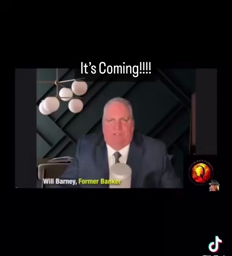 6:37 Afirmaciones sobre colapso bancario, movimientos militares y alertas de emergencia
 1:46 Barridos de stops y liquidez: cómo influyen en los movimientos del precio
 5:01 Rangos de precio equilibrados y liquidez en el trading
 4:09 Catherine Austin Fitts sobre los confinamientos y el reinicio financiero
 0:49 Trump elogia al director de Nvidia, Jensen Huang, y dice que está sufriendo
 1:29 Ganancias y financiación pública de las vacunas contra la COVID-19
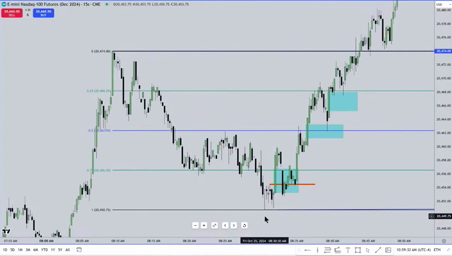 1:09 Macros de trading: brechas de valor razonable y aperturas de 8:30 y 9:30
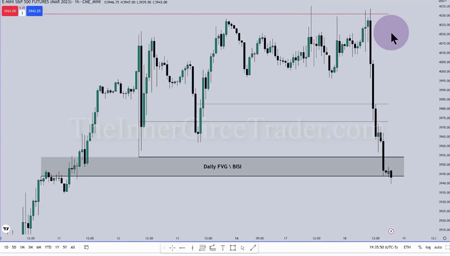 0:45 Algoritmo de trading Enigma: tiempo, precio y factores macro
 0:51 Por qué la brecha de apertura semanal indica una señal bajista
 0:51 La ley CLARITY podría permitir a empresas cotizadas eludir a la SEC
 0:34 Entrada con flujo de órdenes institucional: brechas y SSIBE
 0:19 Por qué los inversores de XRP podrían vender antes de los 1.000 dólares
 iPhone app Translate videos on your iPhone Paste a TikTok, Instagram or X link, add subtitles in your language and save the video to Photos.

TranslateMom transcribes and translates videos from X, TikTok, YouTube and Instagram. Paste a link and you get a page like this one, in your language.