
Ibn Taymiyyah on Allegiance to Ali and Ahmad ibn Hanbal on His Caliphate
6 min Machine translated Faith
6 min Machine translated Faith
Ibn Taymiyyah’s Minhaj al- Sunnah, in volume eight. What does it say?
He says, “As for Ali, from the moment he took power,” nearly half the Muslims held back from pledging allegiance to him, including the earliest believers among the Emigrants, the Helpers, and others.
They turned away from pledging allegiance to him.
Some stayed away, neither fighting alongside him nor against him, such as Usama ibn Zayd and Ibn Umar, and Muhammad ibn Maslamah. Others fought against him.
Then many of those who had pledged allegiance to him turned away.
Ibn Taymiyyah says many of those who pledged allegiance to Ali reneged on their pledges.
Some declared him an unbeliever and deemed his blood lawful, while others went over to Muawiya, like his brother Aqil and the like.
This is Sheikh al-Islam Ibn Taymiyyah’s argument in Minhaj al-Sunnah, volume four, by Sheikh al-Islam Ibn Taymiyyah.
This is your claim: “Everyone pledged allegiance to him after Uthman.”
The claim that Ali received everyone’s pledge after Uthman is an obvious lie, for many Muslims—perhaps half, or fewer, or more—did not pledge allegiance to him.
Sa'd ibn Abi Waqqas did not pledge allegiance to him, nor did Ibn Umar or others.
So it wasn’t only Muawiya who held back from pledging allegiance to Ali, but most of them. Possibly more than half the Muslims.
Among them were leading Companions, like Abdullah ibn Umar, and Sa'd ibn Abi Waqqas.
By saying that, they mean everyone pledged allegiance to Ali except Muawiya.
They want to attack Muawiya, and they say, “Look how Muawiya was the only one who acted arrogantly toward all the other Companions.”
And, God forbid, he was less evil than Satan.
This is one of the responses by Shaykh al-Islam Ibn Taymiyyah.
Another is his response to al- Shahrastani, who was a Sunni scholar with pro- Shiite leanings.
Minhaj al-Sunnah, volume six, page 362. Ibn Taymiyyah responds to al-Shahrastani, saying, “One could say that these words either show al- Shahrastani's bias in this book against the Shiites.”
Al-Shahrastani's book is biased against the Shiites.
What did al-Shahrastani say? Look at what al-Shahrastani says here.
“The disagreement arose during Ali's time, after they had agreed on him and pledged allegiance to him.”
Al- Shahrastani says all the Companions agreed on Ali and pledged allegiance to him, then opposed him.
Ibn Taymiyyah responds, saying, “It is well known that many Muslims had not pledged allegiance to him, including many people of Medina and Mecca.”
Those who saw him had not pledged allegiance to him.
Leave aside those who were far away, such as the people of Syria, Egypt, the Maghreb, Iraq, and Khorasan.
Here, Shaykh al- Islam Ibn Taymiyyah presents the circumstances of the pledge of allegiance.
How Ali’s pledge of allegiance took place.
The first part of Minhaj al-Sunnah. On page 535, Shaykh al-Islam Ibn Taymiyyah says: As for Ali, he was pledged allegiance after Uthman was killed, may God be pleased with him, while hearts were unsettled and divided, and hearts were unsettled and divided,
and the senior Companions were scattered.
Talha was brought there by force, to the point that some said he had been brought against his will, and that he said, “I pledged allegiance with the sword at my back,” meaning at my neck.
The people of sedition in Medina had gained strength when they killed Uthman, and the circumstances of his killing caused a great upheaval.
Many of the Companions did not pledge allegiance to Ali, such as Abdullah ibn Umar ibn al- Khattab and others like him.
Now, who established the view that Ali ibn Abi Talib was the fourth caliph by consensus?
It was during the time of Imam Ahmad ibn Hanbal.
Ahmad ibn Hanbal was the one who established this view.
Shaykh al-Islam Ibn Taymiyyah says in Minhaj al-Sunnah: In the first section, page 537, he says: And a group said: There was no universal imam at that time.
There was no imam after Uthman, rather, it was a time of turmoil.
And whose view is this, held by a group?
By some of the people of hadith in Basra and elsewhere.
That is why, when Imam Ahmad openly declared Ali to be the fourth caliph, he said, “Whoever does not count Ali as the fourth is more misguided than his own donkey.”
A group of these Basran hadith scholars objected to this They objected to Ahmad’s statement and said: Some people rejected his caliphate, yet no one says they were more misguided than their own donkey.
They meant the Companions who held back from pledging allegiance to him.
Al-Maymuni was one of the senior Hanbalis who objected to Ahmad ibn Hanbal when he openly declared the view that Ali was fourth.
This is Kitab al- Sunna by al- Khallal, with an authentic chain of transmission, on page 427.
Look at what he says. “Abd al-Malik ibn Abd al-Hamid al-Maymuni told me— he was one of the senior Hanbalis, one of the senior Hanbalis, and a contemporary of Ahmad ibn Hanbal— Ahmad ibn Hanbal used to give him precedence and seat him beside him.
Abd al-Hamid Abd al-Malik ibn Abd al-Hamid al-Maymuni said to Abu Abd Allah Ahmad ibn Hanbal: For some of my fellow scholars and I are astonished that you included me in the caliphate.
I am—I am astonished. Some of the scholars and I are astonished by you, Ahmad.
How can you include me in the caliphate?
Ahmad said to me, “What should I do?” “And what should I say about Ali’s statement, may God have mercy on him, ‘I am the Commander of the Faithful’?”
He is addressed as “Commander of the Faithful,” he leads the people on the Hajj and in Mosul, and carries out those rulings and leads the people in prayer.
And what he seized, what he killed, and what he left behind.
I said, “So what do you make of fighting Talha and al-Zubayr, may God have mercy on them both, and those bloodshed?”
All right, if you say that Ali was caliph, what is your judgment on Talha and al- Zubayr, who fought the caliph?
Then their judgment would be that they were Kharijites, God forbid.
That is the consequence of this view. If you say Ali was the fourth caliph and the Companions pledged allegiance to him unanimously, then Talha and al- Zubayr fought him.
I seek God’s refuge— Talha and al- Zubayr would be Kharijites.
What did Ahmad reply? As for that bloodshed, he said, “What have we to do with Talha and al- Zubayr?”
And he mentioned that. Then he repeated it more than once: “What have we to do with these people’s fighting and with that bloodshed?”
He also mentioned his argument and his judgment.
Abd al- Malik said, “This is the last thing I parted from him on.”
In the year 227 while we were sitting, with an authentic chain of transmission.
So this is the danger: if you say that Ali ibn Abi Talib was caliph by consensus, and that the Companions pledged allegiance to him unanimously, that means the Companions were Kharijites who rebelled against him God forbid. That is why Abd al- Hamid al- Maymuni came to denounce Ahmad for this.
End of transcript · 1,229 words · machine translated
منهج السنة لابن تيمية في الجزء الثامن. ماذا يقول؟
يقول أما علي فمن حين تولى تخلف عن بيعته قريب من نصف المسلمين من السابقين الأولين من المهاجرين والأنصار وغيرهم تولوا عن بيعته.
ممن قعد عنه فلم يقاتل معه ولا قاتله مثل أسامة بن زيد وابن عمر ومحمد بن مسلمة، ومنهم من قاتله.
ثم كثير من الذين بايعوه رجعوا عنه. كثير يقول ابن تيمية من الذين بايعوا علي تراجعوا عن بيعتهم، منهم من كفره واستحل دمه، ومنهم من ذهب إلى معاوية كعقيل أخيه وأمثاله.
هذا نصر شيخ الإسلام ابن تيمية في منهج السنة في الجزء الرابع لشيخ الإسلام ابن تيمية.
هذه عشر قولكم بايعوه الكل بعد عثمان أن علي بايع كل بعد عثمان من أظهر الكذب، فإن كثيرا من المسلمين إما النصف وإما أقل أو أكثر لم يبايعوه، ولم يبايعه سعد بن أبي وقاص ولا ابن عمر ولا غيرهما.
يعني مش معاوية فقط الذي تخلف عن بيعة علي بل أكثر. ممكن أكثر من نصف المسلمين على رأسهم سادات الصحابة كعبد الله بن عمر وسعد بن أبي وقاص.
هم يريدون بقولهم أن الكل بايع علي إلا معاوية.
يريدون الطعن على معاوية وأنهم يقولون شوفوا كيف معاوية هو الوحيد الذي تكبر من بد الصحابة كلهم.
وكان أعوذ بالله أقل شرا من إبليس. هذه من ردود شيخ الإسلام ابن تيمية أيضا من ردوده على الشهرستاني وهو من علماء السنة الذي يميلون للشيعة.
منهج السنة أيضا الجزء السادس صفحة 362 يقول يرد ابن تيمية على الشهرستاني أن يقال هذا الكلام إما يبين تحامل الشهرستاني في هذا الكتاب مع الشيعة.
كتاب الشهرستاني متحامل مع الشيعة. ايش قال الشهرستاني؟
شوفوا ايش يقول الشهرستاني هنا. إن الاختلاف وقع في زمن علي بعد الاتفاق عليه وعقد البيعة له.
الشهرستاني يقول أن الصحابة كلهم اتفقوا على علي وعقدوا له البيعة ثم خالفوه.
يرد ابن تيمية ويقول ومن المعلوم أن كثيرا من المسلمين لم يكونوا بايعوه حتى كثير من أهل المدينة ومكة الذين رأوه لم يكونوا بايعوه.
دع الذين كانوا بعيدين كأهل الشام ومصر والمغرب والعراق وخراسان.
هنا يعرض لنا شيخ الإسلام ابن تيمية أجواء البيعة.
أجواء بيعة علي كيف تمت. الجزء الأول من منهج السنة في صفحة 535 يقول شيخ الإسلام ابن تيمية وأما علي فإنه بويع عقب قتل عثمان رضي الله عنه والقلوب مضطربة مختلفة، والقلوب مضطربة مختلفة، وأكابر الصحابة متفرقون، وأحضر طلحة إحضارا حتى قال من قال إنهم جاءوا به مكره،
وأنه قال بايعت واللج أي السيف على قفاي يعني على عنقي.
وكان لأهل الفتنة بالمدينة شوكة لما قتلوا عثمان، وما جناس لقتله موجا عظيما.
وكثير من الصحابة لم يبايع عليا كعبد الله بن عمر بن الخطاب وأمثاله.
الآن من الذي رسخ هذا القول أن علي بن أبي طالب هو الخليفة الرابع بالإجماع هو في عهد الإمام أحمد بن حنبل.
أحمد بن حنبل هو الذي رسخ هذا القول. يقول شيخ الإسلام ابن تيمية في منهج السنة في الجزء الأول صفحة 537 يقول.
وقال الطائفة لم يكن في ذلك الزمان إمام عام ما كان فيه إمام بعد عثمان، بل كان زمان فتنة.
وهذا قول طائفة من من؟ من أهل الحديث البصري وغيره.
ولهذا لما أظهر الإمام أحمد التربيع بعلي في الخلافة وقال من لم يربع بعلي فهو أضل من حمار أهله.
أنكر ذلك طائفة من هؤلاء أهل الحديث البصريين أنكروا على أحمد هذا القول وقالوا قد أنكر خلافته من لا يقال هو أضل من حمار أهله يريدون من تخلف عنها من الصحابة.
الميموني هذا من كبار الحنابلة الذين أنكروا على أحمد بن حنبل لما أظهر القول بالتربيع.
هذا كتاب السنة للخلاط بإسناد صحيح في الصفحة 427.
شوف ماذا يقول. وأخبرني عبد الملك بن عبد الحميد الميموني هذا من كبار الحنابلة من كبار الحنابلة، ومن أقران أحمد بن حنبل.
كان أحمد بن حنبل يقدمه ويجلس إلى جانبه عبد الحميد عبد الملك بن عبد الحميد الميموني أنه قال لأبي عبد الله أحمد بن حنبل فإنا وبعض إخوتي من العلماء ذا نَعجب منك في إدخالك علي في الخلافة.
أنا أنا. أنا متعجب. أنا وبعض العلماء متعجبين منك يا أحمد كيف تدخل علي في الخلافة؟
قال لي أحمد فإيش أصنع؟ وإيش أقول بقول علي رحمه الله أنا أمير المؤمنين ويقال له يا أمير المؤمنين ويحج بالناس والموصل وتلك الأحكام والصلاة بالناس وما قطع وما قتل وترك.
قلت فما تصنع في في قتال طلحة والزبير رحمهما الله إياه وتلك الدماء.
طيب إذا أنت تقول أن علي خليفة ما حكمك على طلحة والزبير الذين قاتلوا الخليفة؟
هنا يكون حكمهم خوارج والعياذ بالله. هذا القول منزل إذا أنت تقول علي خليفة رابع وأن الصحابة بايعوه بالإجماع.
والطلحة والزبير قاتلوا يعني أعوذ بالله طلحة والزبير خوارج.
ماذا رد أحمد؟ وتلك الدماء قال ما لنا نحن ومال طلحة والزبير وذكر ذا.
ثم أعاد على غير مرة ما لنا ونحن ولقتال هؤلاء وما كان من تلك الدماء.
وذكر حجه وحكمه أيضا. قال عبد الملك وهذا أخر ما فارقني عليه سنة سبعة وعشرين ومائتين ونحن جلوس بسند صحيح.
فهذا. هذا هو الخطر أنك إذا قلت أن علي بن أبي طالب خليفة بالإجماع، وأن الصحابة بايعوه إجماعا، هذا يعني أن الصحابة خوارج خرجوا عليه والعياذ بالله. هذا لذلك جاء عبد الحميد الميموني ينكر على أحمد هذا الشيء.
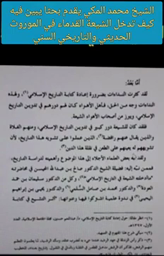 9:22 Shia Influence on Historical Narratives and Hadith: Aban ibn Taghlib
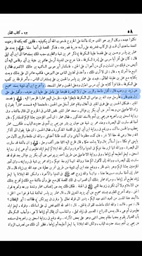 5:00 Battle of the Camel in Fath al-Bari: Talha, Zubayr and Ammar
 4:41 Discussion of Shia Beliefs and Bassem Karbalaei’s Laments
 4:41 Mosque Loudspeakers, Ibn Uthaymeen’s Fatwa and the Sahwa Movement
 1:08 Gaza’s Resilience and Faith in God
 1:20 Religious Speech on Resistance, Faith, and Victory or Martyrdom
 2:56 Sheikh Abu Sari Shrine in Suez: A Calf’s Head and a Dispute Over Offerings
 3:17 Claim That Shia Women Lay Eggs Attributed to Al-Kulayni and Al-Tusi
 2:17 Excessive Veneration of the Righteous and Seeking Help from Others
 1:12 Quranic Verses on Discouragement, Patience, and Steadfastness in Jihad
 1:31 The Westernization Project and Media's Influence on Islamic Law
 2:20 Islamic Awareness, Religious Education and Muslim Unity
 iPhone app Translate videos on your iPhone Paste a TikTok, Instagram or X link, add subtitles in your language and save the video to Photos.

TranslateMom transcribes and translates videos from X, TikTok, YouTube and Instagram. Paste a link and you get a page like this one, in your language.