
Buttock Anatomy: Gluteal Muscles and Their Role in Movement
1 min Health
1 min Health
The buttocks, two powerful structures at the back of the pelvis built for strength, stability, and movement.
Beneath the skin and fat lie three major muscles: the gluteus maximus, gluteus medius, and gluteus minimus.
Together, they control how the hips move and how the body maintains balance.
The gluteus maximus is the largest muscle in the human body.
It generates powerful force when rising from a chair, climbing stairs, or accelerating into a run.
But strength is only part of the story. The gluteus medius and minimus help stabilize the pelvis during walking.
Every time one foot leaves the ground, these muscles contract to prevent the pelvis from dropping excessively.
Without this coordination, walking becomes less stable.
Beneath the muscles, major nerves and blood vessels travel toward the legs.
Meanwhile, layers of fat help cushion the pelvis during sitting.
The buttocks are not simply a region of stored fat.
They are a powerful muscular support system connecting the pelvis, spine, and lower limbs, a reminder that even the simplest movements depend on extraordinary strength working quietly beneath the surface.
End of transcript · 179 words
 2:20 Concerns Over Smallpox Vaccine Deployment
 1:28 Debate on Vaccines and Autism
 1:38 Debate on Statins Effectiveness
 1:08 Urine Therapy Interview: Claims About Urine as a Home Remedy
 1:50 How to Stop Overthinking: Breathing, Observing Thoughts and Chanting
 2:03 COVID-19 Aftereffects: A Testimony on Freedom and Vaccination
 2:43 Metabolic Health and Weight Loss With Diabetes or Fatty Liver
 1:46 Pumpkin Seed and Black Seed Recipe for Prostate Symptoms
 1:11 Insomnia, Sleeping Pills, and the Struggle to Get Healthy
 1:57 Nobel laureate claims a virus contains HIV sequences
 0:56 Afghan Patient Buys Six Months of Medicine in Pakistan
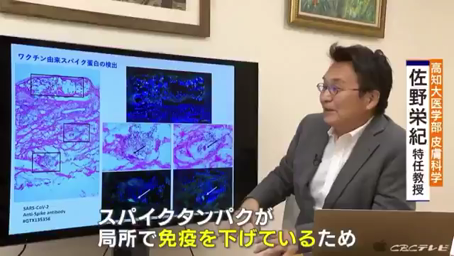 1:12 Professor Discusses Vaccine Spike Protein, Side Effects and Immunity
 iPhone app Translate videos on your iPhone Paste a TikTok, Instagram or X link, add subtitles in your language and save the video to Photos.

TranslateMom transcribes and translates videos from X, TikTok, YouTube and Instagram. Paste a link and you get a page like this one, in your language.