
Los derechos humanos y las naciones como ficciones compartidas
2 min Machine translated
Ahora, quizá les parezca posible aceptar que, en el ámbito religioso, la cooperación se basa en ficciones, que mucha gente, muchos desconocidos se reúnen para construir una catedral o una sinagoga o una mezquita, o para ir juntos a una cruzada porque todos creen las mismas historias sobre Dios y el cielo, y el infierno, y demás.
Pero lo que quiero recalcar es que exactamente lo mismo ocurre en todos los demás ámbitos de la cooperación humana, en el ámbito jurídico, en el político, y también en el económico.
Tomemos como ejemplo el ámbito jurídico.
Hoy en día, en el mundo, muchos sistemas jurídicos, quizá la mayoría, se basan en esta idea, en esta creencia en los derechos humanos.
Pero los derechos humanos son igual que el cielo y que Dios.
Son solo una historia ficticia que hemos inventado y difundido.
Puede que sea una historia muy bonita, Puede ser una historia muy atractiva, queremos creerla, pero no es más que una historia.
No es una realidad. No es una realidad biológica.
Al igual que las medusas y los pájaros carpinteros y los avestruces no tienen derechos, el Homo sapiens tampoco tiene derechos.
Toma a un ser humano, ábrelo y mira dentro, encontrarás su sangre, y encontrarás el corazón, y los pulmones y los riñones, pero no encontrarás allí ningún derecho.
El único lugar donde encontrarás derechos es en las historias ficticias que los humanos han inventado y difundido por ahí.
Y lo mismo ocurre en el ámbito político.
Los Estados y las naciones son también como los derechos humanos, y como Dios y como el cielo, también son, son, son solo historias.
Una montaña es una realidad. Puedes verla, puedes tocarla, incluso puedes olerla.
Pero Israel o Estados Unidos, Solo son historias, historias muy poderosas, historias que quizá queramos creer con todas nuestras fuerzas, pero siguen siendo solo historias.
En realidad, no puedes ver Estados Unidos.
No puedes tocarlo ni olerlo.
End of transcript · 322 words · machine translated
Now, you may find it possible to accept that in the religious field, cooperation is based on fiction, that a lot of people, a lot of strangers come together to build a cathedral or a synagogue or a mosque or go on crusade together because they all believe the same stories about God and heaven and hell and so forth.
But what I want to emphasize is that exactly the same thing happens in all other fields of human cooperation, in the legal field, in the political field, in the economic field as well.
Take the legal field as an example. Today in the world, many, maybe most legal systems are based on this idea, this belief in human rights.
But human rights are just like heaven and like God.
It's just a fictional story that we've invented and spread around.
It may be a very nice story, it may be a very attractive story, we want to believe it, but it's just a story.
It's not a reality. It is not a biological reality.
Just as jellyfish and woodpeckers and ostriches have no rights, homo sapiens have no rights also.
Take a human, cut him open, look inside, you find their blood, and you find the heart and lungs and kidneys, but you don't find there any rights.
The only place you find rights is in the fictional stories that humans have invented and spread around.
And the same thing is also true in the political field.
States and nations are also like human rights and like God and like heaven, they too are, are, are just stories.
A mountain is a reality. You can see it, you can touch it, you can even smell it.
But Israel or the United States, they are just stories, very powerful stories, stories we might want to believe very much, but still they are just stories.
You can't really see the United States. You cannot touch it, you cannot smell it.
 6:43 El Anticristo, la quinta trompeta y la segunda venida de Cristo
 1:58 Profecía bíblica, la marca y las teorías sobre un gobierno mundial
 8:57 Cómo usar la IA para impulsar el crecimiento empresarial
 5:46 El multiverso de Marvel: viajes en el tiempo, incursiones y Doctor Doom
 2:02 Invitado afirma que los Illuminati ordenaron el asesinato de Sharon Tate
 3:56 Debate en un campus: Charlie Kirk, política e insultos antisemitas
 3:23 Dee Dee Way habla de su vida antes de entrar en la industria para adultos a los 65
 2:23 Las lecciones de infancia que le enseñaron a creer en sí mismo, amar y decir la verdad
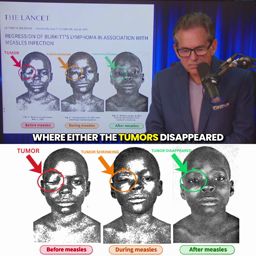 2:51 Sarampión y remisión del cáncer: el caso de un niño en 1971
 7:16 La teoría conspirativa sobre Phil Hartman, Bryan Cranston y Ulysses S. Grant
 3:00 Ciberataques bancarios, moneda digital y simulación electoral de killware
 6:16 Meditación, conciencia de Cristo y el cielo en la Tierra
 iPhone app Translate videos on your iPhone Paste a TikTok, Instagram or X link, add subtitles in your language and save the video to Photos.

TranslateMom transcribes and translates videos from X, TikTok, YouTube and Instagram. Paste a link and you get a page like this one, in your language.