
ゲーム理論:人数・モチベーション・協調による勝利の公式
5 min Machine translated History & how-to
5 min Machine translated History & how-to
ゲーム理論を見れば、どんなゲームでも、いつも勝つ人たちは、この公式があるから勝つ。それは人数×意欲×連携だ。
よし、人数は、単に人の数だ。意欲を掛ける。
これは、その人たちのモチベーションの度合いだ。
さらに連携を掛ける。つまり、その人たちが一緒に働き、目的を達成する能力だ。
この公式について、覚えておくことがいくつかある。
まず、各要素の重みは同じではない。連携が最も重要な要素で、人数の少なくとも 3倍の重みがある。
次に意欲だ。意欲は、2番目に重要な…… 要素だ。
重みは人数の 2倍だ。それに、状況によっては…… ほら、いろいろな……
ゲームによって、重み付けは異なる場合があります。
でも、どうか忘れないでください。本当に重要なのは連携です。次にエネルギー、そして最後に質量です。
以上がその説明です。それぞれの項が何を意味するのか、各要素をどう測ればいいのかを説明します。
この公式をより数学的に理解するために。質量とは、関わっている人の数にすぎません。
でも、ええと、測るうえで重要なのは人々の結束力です。
互いをどれだけ好いているか、どれだけ協力する気があるかです。
たとえば、ええと、日本と中国を見てみましょう。
日本は中国よりもずっと結束力の強い社会です。
だから質量という点では、日本は実は中国より強いのです。
中国の人口は日本の 10倍、あるいは5倍もあるのに、です。
次に、ええと、エネルギーを見てみましょう。
エネルギーとは、やる気の度合いです。そして普通、エネルギーと聞くと、身体的なエネルギーを思い浮かべます。
でも実は、この公式で本当に重要なのは、精神的なエネルギーです。
なぜなら、考えてみれば、最も、ええと、その、コストがかかるのは、精神的なエネルギーだからです。
だから、最も多くのやる気が必要なのです。精神的なエネルギーを得るには。
例を挙げて説明しましょう。ええと、2人の人がいるとしましょう。
1人目は、地面に穴を掘って、 1日12時間、それを丸1年続けます。
もう1人は、毎日、自分を向上させようとしています。
つまり、絶えず自分を振り返り、自分の、いや、改善できる点を書き出し、自分をどう改善するか、戦略や公式を作り上げています。
さて、この公式によれば、 2人目は1人目よりも、ずっと多くのエネルギーを使っている。
ただ、見た目だけで言えば、すべてをやっているのは— 1人目のほうに見える。
2人目は一日中ただ座って、考え事をしているだけに見える。
その理由は、この世界で人間にとって最も口にしにくい 3つの言葉は、「私が間違っていました」だ。
「自分が間違っている」と言うのは、自分自身を否定すること、自分のエゴを否定すること、自分に欠点があると認めることだ。
自分が間違っていると言うのは、同時に自分を向上させ、変えていく方針に踏み出すことでもある。
仲間の前で「自分が間違っている」と言うのは、面目を大いに失うことでもある。
仲間の前で。自分の地位を下げることになる。
ええと、面目を失うんだ。だから、そういうわけで、ええと、活力があって、意欲の高い人は、変化をずっと受け入れやすい。
自分たちの限界を受け入れることにずっと前向きです。
自分を高めることにずっと前向きです。つまり、エネルギーとは意欲の指標で、意欲は、集団が自らの限界や欠点をどれだけ受け入れるかで測れます。
いいですか?それがエネルギーの考え方です。
次に、この公式の3つ目の要素は協調という考え方です。
協調は2つの異なる、ええと、2種類に分けられます。
1つ目は意識的な協調です。 2つ目は無意識の協調です。
意識的な協調とは、誰かに導かれることです。
リーダーかもしれないし、官僚機構かもしれないし、家父長かもしれません。
無意識の協調とは、明確なリーダー や方針がない状態で、人々が無意識に協力し合うことです。
ええと、まるでダンスのようなものです。そしてその二つのうち、無意識の連携のほうが最も—より強力です。
End of transcript · 828 words · machine translated
If you look at game theories, all games, the people who always win the game, they win because of this formula, which is mass times energy times coordination.
All right, so, uh, mass is just the number of people, um, times energy, which is the level of motivation of these people, times coordination, which is the ability of these people to work together to achieve their end.
Um, some things to keep in mind about this formula: first of all, the different factors are not weighted equally.
So coordination is the most important factor, and it's weighted at least three times as much as mass.
Then you have energy, um, and energy is sec- is what's second most important, and it's weighted, uh, twice as much as mass.
And, um, depending-- and, you know, different... depending on the game, the weightings can be different.
But please, please keep this in mind, coordination is what really matters, followed by energy, followed ultimately by mass.
So I've explained that. Let me explain to you what each term means and how we can measure each factor to get a more mathematical understanding of this formula.
Mass is just the number of people involved, but, um, what's important to measure is their cohesion, how much they like each other, how much they're willing to work together.
So, for example, um, you look at Japan and China.
Japan is a much more cohesive society than China.
So in terms of mass, Japan is actually stronger than China, even though China has ten times or five times as many people as Japan.
Then you look at, um, energy. Energy is the level of motivation.
And usually when we think of energy, we think of physical energy.
But actually, in this formula, it's mental energy that really matters, because if you think about it, it's mental energy that is the most, um, uh, expensive.
And so you need the most amount of motivation in order to achieve mental energy.
So let me give you an example of this. Um, let's just say there are two people.
The first person, he's digging a hole in the ground for twelve hours a day for a whole year.
Then you have another person who, every day, is seeking to improve himself.
So he's constantly in the process of self-reflection, writing down his-- the ways that he can improve, and creating a strategy, a formula for how he can improve himself.
Well, according to this formula, the second person is expending much more energy than the first person, even though if we just look at it, it seems like the-- it's the first person that's doing all the work, the second person just sitting around all day, just thinking.
And the reason why is, in the world, the three hardest words to say for a human being is, "I am wrong."
To say, "I'm wrong," is to negate yourself, to negate your ego, to admit that you have failings.
To say you are wrong is also to commit to a policy of self-improvement, self-change.
It's also a tremendous loss of face to say, "I'm wrong," before your peers.
You lower your status. Um, you lose face.
And that, and that's why, um, people who are more energetic, who are mo- mo- motivated, they are much more open to change.
They're much more willing to accept their limitations.
They're much more willing to commit to self-improvement.
So energy is a measure of motivation, and we can measure motivation by a group's openness to accepting its limitations, its failings.
Okay? So that's the idea of energy. Then the third aspect of this formula is the idea of coordination.
And coordination can be divided into two different, um, two different types.
The first type is conscious coordination.
Second type is subconscious coordination.
Conscious coordination is when you're led by someone.
It could be a leader, it could be a bureaucracy, it could be a patriarch.
Subconscious coordination is when there's no clear leader or clear direction, people just subconsciously work together.
Um, it's almost like a dance. And of the two, subconscious coordination is the most-- the more powerful.
 1:28 アメリカ人がニューヨークでロシアビザを取得する方法
 2:07 韓国のドストエフスキー翻訳者、プーシキン・メダル受賞スピーチ
 0:52 少年時代に独学したロシア語と難しい文法への思い
 1:46 新型コロナの起源とウクライナの生物研究所をめぐる憶測
 5:47 ヘグセス氏、トランプ政権の軍事政策を擁護し3500億ドルの予算を要求
 5:10 トランプ大統領、選挙結果と民主党との協力をポリティコに語る
 2:21 米上院候補がムスリム同胞団との関係を問われ、信仰と憲法への忠誠を語る
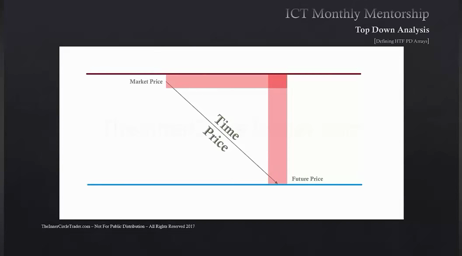 3:01 トレードにおける価格と時間:機関投資家の注文フローとPDアレイ
 3:23 米国のイスラエル援助とAIPACの政治的影響力
 2:37 テキサス州が民主党へ転換、有権者が歴史的な中間選挙を語る
 0:52 ホノルル空港で日本人女性が二次検査を拒否
 4:11 ロシア側、オレシキの人道支援でメラニア・トランプ氏に感謝
 iPhone app Translate videos on your iPhone Paste a TikTok, Instagram or X link, add subtitles in your language and save the video to Photos.

TranslateMom transcribes and translates videos from X, TikTok, YouTube and Instagram. Paste a link and you get a page like this one, in your language.