
Was wäre ein US-Sieg im Iran-Konflikt? Irans Regime und Atomprogramm
7 min Machine translated About Iran War & conflict
7 min Machine translated About Iran War & conflict
Sie haben, Sie haben eine siegreiche amerikanische Mentalität beschrieben.
An diesem Punkt des Konflikts im Iran, was würden Sie als einen amerikanischen Sieg betrachten?
Das ist eine großartige Frage. Ich denke, die zwei wichtigen Punkte sind, zu verstehen, warum wir überhaupt dabei sind.
Der Iran führt Krieg, ob wir das glauben wollen oder nicht, sie führen seit 1979 Krieg gegen die Vereinigten Staaten.
Und das Problem dabei—
Und das, das, das Problem mit diesem Regime ist sein revolutionärer Charakter.
Das eine ist, ein Land zu sein, denn mit Ländern kann man Meinungsverschiedenheiten haben.
Das Problem ist, dass das Land Iran regiert wird von einer gewählten Führungsschicht, mit der wir nicht übereinstimmen, und ich behaupte nicht, dass sie gemäßigt sind oder Menschen, mit denen wir übereinstimmen können.
Das heißt, die Regierung führt das Land, aber das Land wird von einer religiösen schiitischen Geistlichkeit geführt.
Und nicht nur von schiitischen Klerikern, sondern von radikalen schiitischen Klerikern, deren Entscheidungen von der Theologie geleitet werden.
Das klingt sehr seltsam, denn die Leute, na ja, das ist …
über diese Dinge hört man nicht oft, wenn es um Geopolitik geht.
Aber wenn man das nicht versteht, versteht man Iran nicht.
Und diese Leute sind keine Gouverneure Irans.
Es könnte ihnen kaum gleichgültiger sein, wie Irans Wirtschaft aussieht.
Diese Leute sind Revolutionäre. Wenn man sich die Gründungsdokumente dieser Islamischen Republik ansieht, heißt es darin, dass der oberste Führer nicht der Führer Irans ist.
Darin heißt es, der oberste Führer sei der Führer aller Muslime, einschließlich der Sunniten, die übrigens nicht zustimmen.
Äh, und, und dass ihre Aufgabe darin besteht, die Revolution zu exportieren.
Und wie sieht es aus, die Revolution zu exportieren?
Nun, es sieht aus wie die Hisbollah, die sie geschaffen und finanziert und deren Wachstum sie gefördert haben, bis sie über Fähigkeiten verfügt, die mit denen eines Nationalstaats konkurrieren, und die in vielen Fällen sogar mächtiger ist als der libanesische Staat.
Dieselbe Hisbollah, die einen Bunker in die Luft sprengte, eine, äh, äh, Kaserne, in der 1982, 1983 über 280 amerikanische Marines getötet wurden, ähm, und bis heute Terroranschläge verübt hat.
Es sieht aus wie die Milizen im Irak, die, während ich jetzt mit Ihnen spreche, Anschläge planen und das schon seit Jahren tun, nicht nur gegen Amerika, sondern auch gegen regionale Nachbarn, mit hochentwickelten Waffen.
Es sieht aus wie ihr ständiger Förderer.
Es, es sieht aus wie der syrische Bürgerkrieg, hinter dessen Zerstörung sie eindeutig standen, das einst ein Ort war, an dem all diese verschiedenen gesellschaftlichen Gruppen lebten.
Dort lebten Sunniten, Schiiten, Christen und Drusen und Beduinen miteinander, und auch Alawiten lebten miteinander.
Dann wurde es zu einer Diktatur, die vom Iran unterstützt wurde, und schließlich …
Und das ist ihr grundlegendes Problem. Das Zweite ist, dass sie weltweit Terrorismus am stärksten unterstützen.
Kein Nationalstaat in der Geschichte der Menschheit hat mehr Zeit oder Geld darauf verwendet, Terrorakte auf diesem Planeten zu unterstützen als das iranische Regime.
Denn durch seine Stellvertreter, etwa die Hisbollah, in unserer eigenen Hemisphäre, Anfang der 1990er-Jahre, sprengten sie ein jüdisches Gemeindezentrum in Buenos Aires, Argentinien, in die Luft, in unserer eigenen Hemisphäre.
Mit wem wir es hier zu tun haben. Und diese Leute wollen eine Atomwaffe.
Und sie wollen eine Atomwaffe, und sie werden immer sagen: „Oh, wir haben kein Interesse an einer Atomwaffe.“ Nein, sie interessieren sich nur für all die Dinge, die man für eine Atomwaffe braucht.
Okay? Sie haben Raketen für Atomwaffen gebaut.
Sie reichern Uran weit über den Bedarf hinaus an.
Wenn sie Kernenergie gewollt hätten, hätten sie sie haben können, so wie Südkorea, Japan und andere Länder.
Sie argumentieren, das ist, als würde man sagen: „Oh, ich habe kein Interesse daran, Gewalt auszuüben.
Ich will nur Munition kaufen und eine Waffe.“ Aber die Munition steckt nicht in der Waffe, aber es würde nur eine Sekunde dauern, die Munition in die Waffe zu stecken und daraus eine Waffe zu machen, mit der man Menschen töten kann.
Und genau das haben sie getan. Und sie haben sich selbst an einen Punkt gebracht, an dem sie durch jahrelange Vernachlässigung dieses Themas zugelassen haben, dass sie so viele Raketen und so viele Drohnen und so viele …
dass sie sich hinter diesem konventionellen Schutzschild verstecken konnten, um mit ihren nuklearen Fähigkeiten zu tun, was sie wollten.
Und das musste angegangen werden. Und ich weiß, das ist unpopulär.
Glauben Sie mir, kein Krieg ist populär.
Kein Konflikt, kein militärischer Konflikt ist populär.
Und derzeit ist der wirtschaftliche Schaden, den wir diesem Regime zufügen, so groß, dass es keiner militärischen Aktion bedarf, weil wir sie so sehr geschwächt haben.
Doch ich denke, ein Sieg bedeutet sicherzustellen, so simpel das auch klingen mag, ich versichere Ihnen, dass die Lage, so schlimm sie heute auch erscheinen mag, Du meinst, dass sie auf Schiffe schießen, in der Straße von Hormus, sei gerade schlimm,
obwohl jede Nacht 13 bis 14 Millionen Barrel ausgeführt werden?
Stell dir vor, sie hätten eine Atomwaffe.
Sie würden die gesamte Region als Geisel halten.
Sie würden diese Nation als Geisel halten.
Stell dir Nordkorea vor, aber Nordkorea wird von einem Typen regiert, der ein bisschen, na ja, du weißt schon.
Und, äh, aber nein, nein, was ich meine, ist: Er ist nicht daran interessiert, Japan zu erobern.
Okay? Er will nur sein Regime am Leben erhalten.
Und ich entschuldige nicht die schrecklichen Dinge, die dort geschehen sind.
Ich sage nur, dass er eben nicht, äh, expansionistisch ist.
Er hat nicht vor, Japan etwa anzugreifen und China anzugreifen oder so. Er ist nicht …
Diese Leute sind Expansionisten. Sie sind Revolutionäre.
Und mit einer Atomwaffe bewaffnet, das wäre mein letzter Punkt, jedes Problem im Nahen Osten, jedes große Problem im Nahen Osten, die Huthi, die Saudi-Arabien angreifen, die schiitischen Milizen, die den Irak destabilisieren,
die, die, die Kämpfer, die Assad unterstützten und die Zerstörung Syriens, die Hisbollah im Libanon, wohin man auch blickt, es gibt einen gemeinsamen Nenner, die schiitischen Geistlichen des Iran und ihre expansionistische Denkweise.
Das ist eine außerordentliche historische Gefahr und eine, die man nicht ignorieren darf, denn ich weiß, wir denken, sie sei eine halbe Welt entfernt, aber nichts ist mehr eine halbe Welt entfernt.
Nichts ist es. Irgendwann wird es uns erreichen und unser Land bedrohen, und diese Bedrohung muss angegangen werden.
Und es ist nicht leicht, sich diesen Dingen zu stellen, denn es ist unpopulär, sich ihnen zu stellen.
Doch sie zu ignorieren, was für den Präsidenten das Einfachste gewesen wäre, ehrlich gesagt.
Vier Jahre im Amt, und er hätte es dem Nächsten überlassen können.
Aber das hat er geerbt, und er sagte: „Ich werde das nicht ungelöst lassen.“ Aber es ist hart. Es ist nicht einfach, und es ist schwierig, und oft verursacht es, wissen Sie, Schmerzen, wirtschaftliche und andere.
Also, äh, das ist uns bewusst. Aber ein Sieg bedeutet, dass sie niemals eine Atomwaffe haben können, so oder so.
Wenn das bedeutet, dass sie nicht das Geld dafür haben, oder nicht die, die, die Ausrüstung dafür haben, wir können es uns niemals erlauben, in einer Welt zu leben, oder unsere Kinder, oder einer von euch, einen Planeten zu erben, auf dem jene Menschen, die all das getan haben,
und es erben, eine Atomwaffe haben. Sie haben Zehntausende und Aberzehntausende ihrer eigenen Leute getötet, sie auf den Straßen abgeschlachtet.
Und wenn du verletzt bist, kommen sie ins Krankenhaus und töten dich in deinem Krankenbett, und oft töten sie auch die Ärzte und Pfleger, die dich behandelt haben.
So gehen sie mit ihren eigenen Leuten um.
Stell dir vor, was sie mit uns machen würden, wenn sie eine Atomwaffe hätten.
Sind wir fertig? War's das? Danke.
Vielen Dank.
Danke. Danke.
End of transcript · 1,266 words · machine translated
You've, you've described, you've, you've demonstrated a victorious American mentality.
So at this point in the conflict in Iran, what would you consider an American victory?
That's a great question. I think the two points that are important is to understand why we're in it in the first place.
Iran has been waging, whether we want to believe it or not, they've been waging war on the United States since 1979.
And the problem with this-
And the, the, the problem with this regime is its revolutionary nature.
One thing is to be a country, because you can have disagreements with countries.
The problem is the country of Iran is governed by an elected class of people who we don't agree with, and I'm not arguing they're moderates or people we can agree with.
That's-- the government runs the country, but the country is led by a religious Shia clerical class.
And not just Shia clerics, but radical Shia clerics who are motivated in their decision-making by theology.
Now, this sounds very strange because people, you know, that's-- you don't often hear this conversation when it comes to geopolitics.
But if you don't understand this, you don't understand Iran.
And these people are not governors of the Iran.
They could care less what Iran's economy looks like.
These people are revolutionaries. If you look at the founding documents of this Islamic Republic, it says that the supreme leader is not the leader of Iran.
It says the supreme leader is the leader of all Muslims, including Sunni, who by the way, don't agree.
Uh, and, and that their job is to export the revolution.
And what does export the revolution look like?
Well, it looks like Hezbollah, who they have created and funded and helped to grow to have capabilities that rival the nation state, and in many cases is more powerful than even the Lebanese state.
The same Hezbollah that blew up a bunker, the, uh, uh, a barracks that killed over 280 American Marines in 1982, '83, um, and have conducted acts of terrorism to the very present day.
It looks like the militias in Iraq, who as I speak to you now, are plotting and have plotted for years, not just to attack America, but to attack regional neighbors with very sophisticated weaponry.
It looks like their constant sponsor. It, it looks like the Syrian civil war, which they were clearly behind the destruction of that country, that at one time was a place that had all these different elements of society.
They had Sunni and Shia and Christian and Druze and Bedouin all living along, and Alawites, all living along each other.
Then it became a dictatorship supported by Iran and ultimately...
And that's the fundamental problem with them.
The second is they're the world's leading sponsor of terrorism.
No nation state in the history of humanity has spent more time or money sponsoring acts of terrorism around this planet than the Iranian regime.
Because through their proxies in Hezbollah, as just an example, in our own hemisphere, in the early 1990s, they blew up a Jewish center in Buenos Aires, Argentina, in our own hemisphere.
This is who we're dealing with. And these people want a nuclear weapon.
And they want a nuclear weapon, and they'll always say, "Oh, we're not interested in a nuclear weapon."
No, they're just interested in all the things you need for a nuclear weapon.
Okay? They built missiles for nuclear weapons.
They enrich uranium well beyond the need.
If what they wanted was nuclear energy, they could have had it, like South Korea has it, like Japan, like other countries do.
They argue, it's like saying, "Oh, I'm not interested in committing an act of violence.
I just want to buy ammunition and I want to buy a gun."
But the ammunition's not in the gun, but it would take a second to put the ammunition in the gun and become a weapon that can kill people.
And that's what they've done. And they built themselves to a point where they have, over the years of neglect on this topic, we have allowed them to build up so many missiles and so many drones and so many... that they were going to hide behind that conventional shield to do whatever they wanted with their nuclear capability.
And it had to be addressed. And I know it's unpopular.
Believe me, no war is popular. No conflict, military conflict is popular.
And right now, frankly, the economic pain that we are inflicting on that regime is so great that there's no need for, for, for military action, because we've weakened them so much.
But I think victory is ensuring that they never have a nuclear weapon.
As simplistic as that may sound, I assure you that as bad as things may appear today, you think that them shooting at ships on the, in the Straits of Hormuz is bad right now, even though 13 to 14 million barrels are getting out every night?
Imagine if they had a nuclear weapon. They would hold the entire region hostage.
They would hold this nation hostage. Imagine North Korea, but North Korea is just governed by a guy that's a little, you know, you know.
And, uh, but no, no, what I mean is, he's not interested in, like, conquering Japan.
Okay? He just wants to survive in his regime.
And I'm not excusing the terrible things that have happened there.
I'm just saying, but he's not, um, expansionist.
He's not looking to, like, invade Japan and, you know, invade China, whatever. He's not...
These people are expansionists. They're revolutionaries.
And armed with a nuclear weapon, last point I would make, every problem in the Middle East, every major problem in the Middle East, the Houthis attacking Saudi Arabia, the Shia militias that destabilize Iraq, the, the, the fighting elements that supported Assad and the destruction of Syria,
Hezbollah in Lebanon, everywhere you turn, there's one common denominator, the Shia clerics of Iran and their expansionist mentality.
This is an extraordinary historic danger and one that cannot be ignored, because I know we think it's a half a world away, but nothing is half a world away anymore.
Nothing is. It will reach eventually and threaten our country, and it's a threat that has to be addressed.
And it's not easy to address these things, because it's not popular to address them.
But to ignore them, which would have been the easiest thing for the president to do, frankly.
Four years in office, leave it for the next person to worry about.
But that's what he inherited, and he said, "I'm not going to leave it unaddressed."
But it's hard. It's not easy, and it's difficult, and oftentimes it inflicts, you know, pain, economic pain and otherwise.
So, uh, we recognize that. But victory is they can never have a nuclear weapon, one way or the other.
If it means they don't have the money for one or they don't have the, the, the equipment for one, we, we can never allow ourselves to live in a world, or our children, or any of you, to inherit a planet in which those people who have done these things and inherit, have a nuclear weapon.
They have killed tens and tens of thousands of their own people, slaughtered them in the streets.
Then when you're injured, they go in the hospitals and they kill you in your hospital bed, and oftentimes they will also kill the doctors and the nurses who treated you.
That's what they do to their own people.
Imagine what they would do to us if they had a nuclear weapon.
Are we done? Is that it? Thank you.
Thank you very much.
Thank you. Thank you.
 4:51 Kann die Ukraine gewinnen? Drohnen, russische Ölraffinerien und Europas Hilfe
 1:11 Gespräche mit Putin über Kriegsgefangenenaustausch und Kriegsende
 2:05 Russische U-Boote, die Arktis und Schottlands Atom-U-Boot-Basis
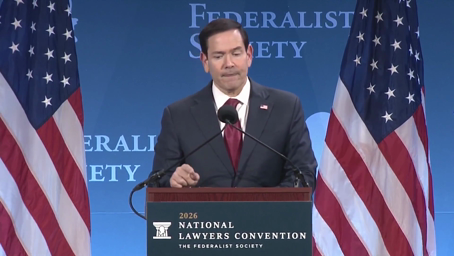 2:31 Warum ein atomar bewaffneter Iran den Nahen Osten bedrohen würde
 1:40 Russische Siegesparade in Europa: Planspiel für Warschau und Berlin
 0:55 Bundesrat Cassis wird zu Gaza und getöteten Kindern konfrontiert
 1:51 Vorwürfe über eigene FPV-Drohnen, Sprengstofffallen und Plünderungen
 1:07 Drohnenangriff bei Wolnowacha: Warnung an Fahrer im Güterverkehr
 1:26 Zeugenaussage über Mord und Vergewaltigung in Tantura
 1:38 Kritik an Gewalt und religiösem Extremismus
 0:40 Ukrainekonflikt und Europas Sicherheitsordnung: Gespräche mit den USA
 2:58 Charlie hinterfragt antisemitische Behauptungen über 9/11 und den Holocaust
 iPhone app Translate videos on your iPhone Paste a TikTok, Instagram or X link, add subtitles in your language and save the video to Photos.

TranslateMom transcribes and translates videos from X, TikTok, YouTube and Instagram. Paste a link and you get a page like this one, in your language.