
كيف يمكن أن يبدو النصر الأمريكي في الصراع مع إيران؟
7 min Machine translated About Iran War & conflict
7 min Machine translated About Iran War & conflict
لقد وصفتَ، وصفتَ، لقد وصفتَ، وصفتَ عقلية أمريكية منتصرة.
إذًا، في هذه المرحلة من الصراع في إيران، ما الذي تعتبره انتصارًا أمريكيًا؟
هذا سؤال ممتاز. أعتقد أن النقطتين المهمتين هما أن نفهم لماذا دخلنا الصراع أساسًا.
إيران تشنّ، سواء أردنا أن نصدّق ذلك أم لا، إنها تشنّ حربًا على الولايات المتحدة منذ عام 1979.
والمشكلة في هذا—
والمشكلة، المشكلة، المشكلة في هذا النظام هي طبيعته الثورية.
من الأمور أن تكون دولة، لأنه يمكن أن تكون لديك خلافات مع دول.
المشكلة هي أن دولة إيران يحكمها فئة منتخبة من الناس لا نتفق معهم، ولست أزعم أنهم معتدلون أو أشخاص يمكننا الاتفاق معهم.
هذا— الحكومة تدير البلاد، لكن البلاد يقودها رجال دين شيعة.
وليسوا رجال دين شيعة فحسب، بل رجال دين شيعة متطرفون تحكم قراراتهم دوافع لاهوتية.
قد يبدو هذا غريبًا جدًا، لأن الناس، كما تعلمون، هذا— فنادراً ما تسمعون هذا النقاش عندما يتعلق الأمر بالجغرافيا السياسية.
لكن إن لم تفهموا هذا، فلن تفهموا إيران. وهؤلاء ليسوا حكام إيران.
ولا يكترثون كثيرًا لشكل اقتصاد إيران. هؤلاء ثوريون.
إذا نظرتم إلى الوثائق التأسيسية لهذا الجمهورية الإسلامية، فهي تقول إن المرشد الأعلى ليس قائد إيران.
بل تقول إن المرشد الأعلى هو قائد جميع المسلمين، بمن فيهم السنة، الذين لا يوافقون، بالمناسبة.
آه، وأن مهمتهم هي تصدير الثورة. وكيف يبدو تصدير الثورة؟
حسنًا، يبدو مثل حزب الله، الذي أنشأوه ومولوه وساعدوه على النمو حتى امتلك قدرات تضاهي قدرات الدولة القومية، وفي حالات كثيرة، أصبح أقوى حتى من الدولة اللبنانية.
وحزب الله نفسه هو الذي فجّر ملجأً، أعني، ثكنةً قُتل فيها أكثر من 280 من مشاة البحرية الأمريكية عامي 1982 و1983، وارتكبوا أعمالًا إرهابية حتى يومنا هذا.
ويبدو مثل الميليشيات في العراق، التي تخطط الآن، فيما أتحدث إليكم، وقد ظلت تخطط منذ سنوات، لا لمهاجمة أمريكا فحسب، بل لمهاجمة جيرانها في المنطقة بأسلحة متطورة للغاية.
ويبدو مثل راعيهم الدائم. ويبدو مثل الحرب الأهلية السورية، الذين كانوا بوضوح وراء تدمير ذلك البلد، الذي كان ذات يوم مكانًا يضم كل هذه الفئات المجتمعية المختلفة.
كان فيه سنّة وشيعة، ومسيحيون ودروز، وبدو يعيشون معًا، وعلويون يعيشون جميعًا جنبًا إلى جنب.
ثم أصبح ديكتاتورية تدعمها إيران، وفي نهاية المطاف…
وهذه هي المشكلة الجوهرية فيهم. والثاني أنهم أكبر راعٍ للإرهاب في العالم.
لم تنفق أي دولة في تاريخ البشرية وقتًا أو مالًا أكثر في رعاية الأعمال الإرهابية حول العالم من النظام الإيراني.
فمن خلال وكلائهم في حزب الله، على سبيل المثال، في نصف الكرة الذي نعيش فيه، في أوائل التسعينيات، فجّروا مركزًا يهوديًا في بوينس آيرس، الأرجنتين، في نصف الكرة الذي نعيش فيه.
هذا هو الطرف الذي نتعامل معه. وهؤلاء الناس يريدون سلاحًا نوويًا.
ويريدون سلاحًا نوويًا، وسيقولون دائمًا: «أوه، لسنا مهتمين بسلاح نووي».
لا، إنما يهتمون بكل ما تحتاج إليه لصنع سلاح نووي.
حسنًا؟ لقد صنعوا صواريخ لأسلحة نووية. ويخصّبون اليورانيوم بدرجة تتجاوز بكثير الحاجة.
لو كانوا يريدون الطاقة النووية، لكان بإمكانهم نيلها، مثل كوريا الجنوبية، وكما فعلت اليابان وبلدان أخرى.
ويجادلون، كأنما يقولون: «أوه، لست مهتمًا بارتكاب عمل عنيف.
أريد فقط شراء ذخيرة وأريد شراء مسدس». لكن الذخيرة ليست داخل المسدس، لكن لن يستغرق الأمر سوى ثانية لوضع الذخيرة في المسدس ليصبح سلاحًا قادرًا على قتل الناس.
وهذا ما فعلوه. وقد بنوا أنفسهم حتى وصلوا إلى نقطة حيث إننا، على مدى سنوات من إهمال هذا الموضوع، سمحنا لهم بتكديس عدد كبير من الصواريخ وطائرات مسيّرة كثيرة، وغيرها…
حتى صاروا يختبئون وراء ذلك الدرع التقليدي ليفعلوا ما يشاؤون بقدراتهم النووية.
وكان لا بد من حلّه. وأعلم أنه غير شعبي. صدقوني، لا توجد حرب تحظى بالشعبية.
ولا صراع، ولا صراع عسكري يحظى بالشعبية. والآن، بصراحة، إن الألم الاقتصادي الذي نلحقه بذلك النظام شديد إلى حد أنه لا حاجة إلى أي عمل عسكري، لأننا أضعفناهم كثيرًا.
لكنني أرى أن النصر يكمن في ضمان ألا يمتلكوا أبدًا سلاحًا نوويًا.
قد يبدو ذلك تبسيطًا مخلًا، لكنني أؤكد لكم أنه مهما بدت الأمور سيئة اليوم، أتظن أن إطلاقهم النار على السفن في مضيق هرمز أمر سيئ الآن، مع أن ما بين 13 و14 مليونًا من البراميل تُصدَّر كل ليلة؟
تخيّل لو امتلكوا سلاحًا نوويًا. لأمسكوا بالمنطقة بأسرها رهينة.
ولأمسكوا بهذه الأمة رهينة. تخيّل كوريا الشمالية، لكن كوريا الشمالية يحكمها رجلٌ فحسب، قليلًا، كما تعلم، كما تعلم.
وآه، لكن لا، لا، ما أعنيه هو، أنه غير مهتم، مثلًا، بغزو اليابان.
حسنًا؟ إنه يريد فقط البقاء في ظل نظامه. ولا أبرر الأمور الفظيعة التي حدثت هناك.
إنما أقول إنه، حسنًا، ليس توسعيًا. لا ينوي، مثلًا، غزو اليابان و، كما تعلم، غزو الصين أو ما شابه. إنه لا…
هؤلاء أناس توسعيون. إنهم ثوريون. ومسلّح بسلاح نووي، وآخر نقطة أودّ ذكرها، كل مشكلة في الشرق الأوسط، كل مشكلة كبرى في الشرق الأوسط، الحوثيون الذين يهاجمون السعودية، الميليشيات الشيعية التي تزعزع استقرار العراق، العناصر القتالية، تلك التي دعمت الأسد،
وتدمير سوريا، حزب الله في لبنان، أينما نظرت، ثمة قاسم مشترك واحد، رجال الدين الشيعة في إيران وعقليتهم التوسعية.
هذا خطر تاريخي استثنائي، ولا يمكن تجاهله، لأنني أعلم أننا نظن أنه يبعد نصف العالم عنا، لكن لم يعد هناك شيء يبعد نصف العالم عنا.
لا شيء. سيصل في نهاية المطاف ويهدد بلدنا، وهذا تهديد لا بد من التصدي له.
وليس من السهل التصدي لهذه الأمور، لأن التصدي لها ليس أمرًا شائعًا.
لكن تجاهلهم، وهو ما كان سيكون أسهل ما يمكن أن يفعله الرئيس، بصراحة.
أربع سنوات في المنصب، ثم يترك الأمر للشخص التالي كي يقلق بشأنه.
لكن هذا ما ورثه، وقال: «لن أترك الأمر من دون معالجة».
لكن الأمر شاق. ليس سهلًا، وهو صعب، وكثيرًا ما يسبب، كما تعلمون، ألمًا ومعاناة اقتصادية وغير ذلك.
لذا، آه، نحن ندرك ذلك. لكن النصر هو أن نضمن ألا يمتلكوا أبدًا سلاحًا نوويًا، بأي وسيلة كانت.
إن كان ذلك يعني أنهم لا يملكون المال لامتلاكه أو لا يملكون الـ، الـ، الـ معدات اللازمة له، فلا يمكننا أبدًا أن نسمح لأنفسنا بالعيش في عالم، أو لأطفالنا، أو لأيٍّ منكم، أن يرثوا كوكبًا يمتلك فيه هؤلاء الذين ارتكبوا هذه الأفعال وورثوها، سلاحًا نوويًا.
لقد قتلوا عشرات وعشرات الآلاف من أبناء شعبهم، وذبحوهم في الشوارع.
ثم حين تُصاب، يدخلون إلى المستشفيات ويقتلونك في سريرك بالمستشفى، وكثيرًا ما يقتلون أيضًا الأطباء والممرضين الذين عالجوكم.
هذا ما يفعلونه بأبناء شعبهم. تخيّلوا ما قد يفعلونه بنا لو امتلكوا سلاحًا نوويًا.
هل انتهينا؟ أهذا كل شيء؟ شكرًا لكم.
شكرًا جزيلًا.
شكرًا. شكرًا.
End of transcript · 990 words · machine translated
You've, you've described, you've, you've demonstrated a victorious American mentality.
So at this point in the conflict in Iran, what would you consider an American victory?
That's a great question. I think the two points that are important is to understand why we're in it in the first place.
Iran has been waging, whether we want to believe it or not, they've been waging war on the United States since 1979.
And the problem with this-
And the, the, the problem with this regime is its revolutionary nature.
One thing is to be a country, because you can have disagreements with countries.
The problem is the country of Iran is governed by an elected class of people who we don't agree with, and I'm not arguing they're moderates or people we can agree with.
That's-- the government runs the country, but the country is led by a religious Shia clerical class.
And not just Shia clerics, but radical Shia clerics who are motivated in their decision-making by theology.
Now, this sounds very strange because people, you know, that's-- you don't often hear this conversation when it comes to geopolitics.
But if you don't understand this, you don't understand Iran.
And these people are not governors of the Iran.
They could care less what Iran's economy looks like.
These people are revolutionaries. If you look at the founding documents of this Islamic Republic, it says that the supreme leader is not the leader of Iran.
It says the supreme leader is the leader of all Muslims, including Sunni, who by the way, don't agree.
Uh, and, and that their job is to export the revolution.
And what does export the revolution look like?
Well, it looks like Hezbollah, who they have created and funded and helped to grow to have capabilities that rival the nation state, and in many cases is more powerful than even the Lebanese state.
The same Hezbollah that blew up a bunker, the, uh, uh, a barracks that killed over 280 American Marines in 1982, '83, um, and have conducted acts of terrorism to the very present day.
It looks like the militias in Iraq, who as I speak to you now, are plotting and have plotted for years, not just to attack America, but to attack regional neighbors with very sophisticated weaponry.
It looks like their constant sponsor. It, it looks like the Syrian civil war, which they were clearly behind the destruction of that country, that at one time was a place that had all these different elements of society.
They had Sunni and Shia and Christian and Druze and Bedouin all living along, and Alawites, all living along each other.
Then it became a dictatorship supported by Iran and ultimately...
And that's the fundamental problem with them.
The second is they're the world's leading sponsor of terrorism.
No nation state in the history of humanity has spent more time or money sponsoring acts of terrorism around this planet than the Iranian regime.
Because through their proxies in Hezbollah, as just an example, in our own hemisphere, in the early 1990s, they blew up a Jewish center in Buenos Aires, Argentina, in our own hemisphere.
This is who we're dealing with. And these people want a nuclear weapon.
And they want a nuclear weapon, and they'll always say, "Oh, we're not interested in a nuclear weapon."
No, they're just interested in all the things you need for a nuclear weapon.
Okay? They built missiles for nuclear weapons.
They enrich uranium well beyond the need.
If what they wanted was nuclear energy, they could have had it, like South Korea has it, like Japan, like other countries do.
They argue, it's like saying, "Oh, I'm not interested in committing an act of violence.
I just want to buy ammunition and I want to buy a gun."
But the ammunition's not in the gun, but it would take a second to put the ammunition in the gun and become a weapon that can kill people.
And that's what they've done. And they built themselves to a point where they have, over the years of neglect on this topic, we have allowed them to build up so many missiles and so many drones and so many... that they were going to hide behind that conventional shield to do whatever they wanted with their nuclear capability.
And it had to be addressed. And I know it's unpopular.
Believe me, no war is popular. No conflict, military conflict is popular.
And right now, frankly, the economic pain that we are inflicting on that regime is so great that there's no need for, for, for military action, because we've weakened them so much.
But I think victory is ensuring that they never have a nuclear weapon.
As simplistic as that may sound, I assure you that as bad as things may appear today, you think that them shooting at ships on the, in the Straits of Hormuz is bad right now, even though 13 to 14 million barrels are getting out every night?
Imagine if they had a nuclear weapon. They would hold the entire region hostage.
They would hold this nation hostage. Imagine North Korea, but North Korea is just governed by a guy that's a little, you know, you know.
And, uh, but no, no, what I mean is, he's not interested in, like, conquering Japan.
Okay? He just wants to survive in his regime.
And I'm not excusing the terrible things that have happened there.
I'm just saying, but he's not, um, expansionist.
He's not looking to, like, invade Japan and, you know, invade China, whatever. He's not...
These people are expansionists. They're revolutionaries.
And armed with a nuclear weapon, last point I would make, every problem in the Middle East, every major problem in the Middle East, the Houthis attacking Saudi Arabia, the Shia militias that destabilize Iraq, the, the, the fighting elements that supported Assad and the destruction of Syria,
Hezbollah in Lebanon, everywhere you turn, there's one common denominator, the Shia clerics of Iran and their expansionist mentality.
This is an extraordinary historic danger and one that cannot be ignored, because I know we think it's a half a world away, but nothing is half a world away anymore.
Nothing is. It will reach eventually and threaten our country, and it's a threat that has to be addressed.
And it's not easy to address these things, because it's not popular to address them.
But to ignore them, which would have been the easiest thing for the president to do, frankly.
Four years in office, leave it for the next person to worry about.
But that's what he inherited, and he said, "I'm not going to leave it unaddressed."
But it's hard. It's not easy, and it's difficult, and oftentimes it inflicts, you know, pain, economic pain and otherwise.
So, uh, we recognize that. But victory is they can never have a nuclear weapon, one way or the other.
If it means they don't have the money for one or they don't have the, the, the equipment for one, we, we can never allow ourselves to live in a world, or our children, or any of you, to inherit a planet in which those people who have done these things and inherit, have a nuclear weapon.
They have killed tens and tens of thousands of their own people, slaughtered them in the streets.
Then when you're injured, they go in the hospitals and they kill you in your hospital bed, and oftentimes they will also kill the doctors and the nurses who treated you.
That's what they do to their own people.
Imagine what they would do to us if they had a nuclear weapon.
Are we done? Is that it? Thank you.
Thank you very much.
Thank you. Thank you.
 2:44 محاكاة ساخرة لبن شابيرو عن الحرب على إيران والإعلام
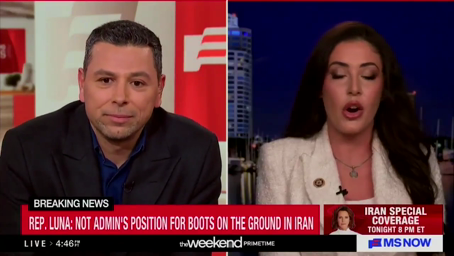 2:49 نائبة ومقدم برنامج يتجادلان حول ضربات إيران وصلاحيات الحرب
 2:47 إسرائيل وإيران وغزة: نقاش حاد حول صراعات المنطقة
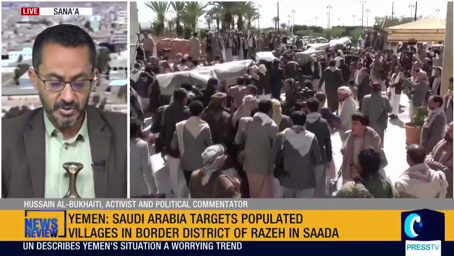 2:19 الصراع اليمني السعودي: هجمات أرامكو والأضرار المدنية
 1:41 تحذير فيرنر فون براون المزعوم من ورقة الفضائيين
 0:48 دفاع ساخر عن تعذيب صدام حسين وحماية المدنيين العراقيين
 2:32 مستشارون سوريون في السعودية: ادعاءات بإرسال قوات إلى اليمن
 8:45 قائد منصة إطلاق يروي حياة القوات داخل أنفاق الصواريخ
 6:07 جاهزية القوة الجوفضائية الإيرانية لمواجهة تهديدات أمريكا وإسرائيل
 1:35 Critique of Aid and Support for Gaza
 2:12 Critique of Aid Efforts for Gaza
 1:54 نقاش حول صواريخ خيبر شكن وفتاح وزلزال والمخزون الصاروخي الإيراني
 iPhone app Translate videos on your iPhone Paste a TikTok, Instagram or X link, add subtitles in your language and save the video to Photos.

TranslateMom transcribes and translates videos from X, TikTok, YouTube and Instagram. Paste a link and you get a page like this one, in your language.