
Sünni, Şii ve Dürziler: İnanç ve Liderlik Farkları
4 min Machine translated Faith
4 min Machine translated Faith
Burada sormak istediğim soru şu, Şey, Sünni Müslümanlar, Şii Müslümanlar ve Dürziler arasındaki fark nedir?
Bunu sana bırakayım. Sünni ve Şii Müslümanlar arasındaki temel fark— Yüzdeleri de söyle ki bilsinler…
Şey… Evet, sanırım yaklaşık Dünyadaki Müslümanların yüzde 90'ı, yüzde 85'i Sünni, yani büyük çoğunluğu, Şii Müslümanların çoğu da İran ve Irak'ta yaşıyor.
En büyük iki Şii nüfus bu ülkelerde, Şiilerin kutsal mekânlarından biri de Irak'taki Kerbela.
Ama Sünni ve Şii Müslümanlar arasındaki en temel fark, peygamberin liderliği ve halefiyeti konusundaki inanç ayrılığıdır.
Bunu anlatmanın en yalın, en temel yolu bu.
Başka farklılıklar da var: edebiyat ve kutsal metinlere dair inançlar ve peygamberlik gelenekleri. Bunu anlamanın en kolay yolu şu: Sünni Müslümanlar, peygamberin varisinin ya da peygamberin yerine geçen kişinin peygamberin istediği doğru sırayla geldiğine inanır,
Şii Müslümanlar ise onun yerine hemen ardından kuzeninin geçmesi gerektiğine inanır. Adı Ali'ydi.
Tamam mı? Sünni Müslümanlar, sıranın Ebu Bekir es-Sıddık adlı biriyle başladığına inanır, ardından Ömer bin Hattab'ın geldiğine, sonra Osman bin Affan'ın geldiğine, sonra Ali bin Ebu Talib gelir.
Şiiler ise ilk sırada Ali'nin olduğuna inanır.
Birbirinden farklı Şii grupları var. On İki İmamcılar var.
Husiler Zeydi Şiilerdir, bu yüzden biraz farklılar.
Aslında Sünni Müslümanlara daha yakınlar.
Dürziler de çok tuhaf. Birçok Müslüman, Dürzileri gerçekten Müslüman saymıyor.
Çok marjinal bir grup. İdeolojileri de gizli tutuluyor.
İnançlarının ne olduğunu sana açıkça söylememeleri gerekiyor.
Çok tuhaf. Farklı dinlere falan inanıyorlar ve— Kâfir sayılırlardı, değil mi?
Onlar... Çünkü Şiiler kâfir sayılmıyor. Onlar... Müslüman sayılır. Şiilerle namaz kılabilirsin.
Hangi Sünniye sorduğuna bağlı. Sünniye göre değişir.
Şöyle demek doğru olur mu? Bazı Sünniler, Selefiliğe daha yakın olanlar, çok katı Sünni köktendinciler, Ortodoks olanlar, Şiileri tekfir ederler.
Ama çoğu Müslüman Şiileri tekfir etmez. Ben de bunu sevmiyorum.
Bu arada, onlara takfirin ne olduğunu açıkla.
Ne demek olduğunu zerre bilmiyorlar. Takfir, Müslümanı mürtet saymak, yani kalpten delil göstererek ona kâfir demek suretiyle onu dinden çıkarmaktır.
Çok ciddi. Çok ciddi bir suçlama. Evet, ciddi bir mesele ve bulaşmaman gereken bir şey.
Gerçekten, bunu yapmanın hiçbir getirisi yok.
Evet. Ama insanlara kâfir demek, onları tekfir etmek...
Yani, evet dostum, yapılacak çok boktan bir şey.
Yani, Tanrı'dan başkası yargılamamalı. Bu sıradan insanların işi değil. Âlimlerin işi.
Zaten bunu yapmak sıradan insanların işi değil.
Evet. Ama biliyorsun, konu şey olduğunda...
Dürziler, neye inandıklarını hiç bilmiyorum, çünkü bunu bilerek açıklamıyorlar.
Bu, inançlarının bir parçası. Evet. Ben, ben... Sanırım yüzde 90'ının diyeceğim...
Evet... Mü- Müslüman dünyasının onları şey olarak göreceğini... hiç Müslüman saymaz.
Evet. Hayır, çoğu Müslüman değil— Dürzilerin namaz kıldığını bile sanmıyorum...
Hayır, tamamen farklı bir dinleri var. Evet.
Bak, burada yazıyor, reenkarnasyona inanıyorlar.
Evet, onlar kâfir. Hepsi bu. Hayır. Reenkarnasyona inanıyorsan, kâfirsin.
Yani, bu çok basit. Birçok Müslüman onları kâfir sayıyor, yani... hemen, bilirsin. Ama onlar büyük bir grup. Nüfusları kalabalık.
Zenci, bir cümle oku. Bir cümle okudu ve şöyle dedi: “Hayır, onlar kâfir. Boş ver.”
Evet. Onlar, Güney Suriye'de kalabalık gruplar hâlinde yaşıyorlar, Suwayda'da. Suriye hükümeti başlarda onlarla çatışmıştı ve başta onlarla çatışmıştı, sanırım yönetimdeki ilk yazda, İsrail'in onları bombalama nedeni buydu,
Dürzilerle iyi geçinsinler diye uyarı olarak.
Ama Lübnan'da da varlar. İsrail'de çoklar.
İsrail ordusunda da çok sayıda var. Ve biliyorsun, dünyanın dört bir yanına dağılmış durumdalar.
Venezuela'da da bazıları var. Ürdün'de, Almanya'da da bazıları var.
Çok tuhaf. Ama onlar, böyle çok tuhaf, ezoterik bir grup, ve tam olarak neye inandıklarını anlamak gerçekten zor.
Dürzileri, yani Dürzileri tarif etmenin en iyi yolu bu.
Ama bunu söylemek zor. Ama evet, birçok Dürzi Müslüman sayılmıyor, biliyorsun.
Onlarla bir sorunum yok, ama birçok Müslüman onları dinin bir parçası olarak görmez, ve adil olmak gerekirse, İslam'ın içinde değiller. Dürziler Yahudi değil mi?
Hayır, Yahudi değiller ama Yahudilerle yakından bağlantılılar, ve uygulamalarının çoğu Yahudilerinkine benziyor, çünkü kendi içlerine çok kapalılar. Dinlerine kimseyi kabul etmiyorlar.
Din değiştiremezsin. Kendi inançlarının dışından biriyle evlenmiyorlar. Bulacağın benzerlik bu.
Birçoğu IDF'de görev yapıyor, Yani— Evet. İsrail'de Dürziler korunan bir azınlık.
İsrail, Güney Suriye'de onları korunan azınlık sayıyor.
İşte bu yüzden Jolani onlarla çok iyi geçinmek zorunda, oysa birçok Sünni Müslüman, özellikle Suriye'de, onlardan nefret ediyor. Evet.
İkisi arasında çok fazla gerilim var. Çok fazla gerilim.
End of transcript · 667 words · machine translated
So the question here that I have is, um, what is the difference between Sunni Muslims, Shia Muslims, and the Druze?
I'll let you take that The fundamental difference between Sunni and Shiite Muslim- And give them the percentages too, so they know ...
There's... Yeah, so I think about 90%, 85% of the world is Sunni Muslim, so the large majority, and most Shiite Muslims exist within Iran and in Iraq.
Those are the two biggest Shiite populations, with the Shiite holy site existing within Iraq called Karbala.
But the biggest fundamental difference between Sunni and Shiite Muslims is the difference of belief within the leadership and succession of the prophet.
That's the basest way, or the most basic way I can frame it.
There's other differences, differences in belief of literature and scripture and prophetic traditions, but the easiest way to understand it, Sunni Muslims believe the heir apparent of the prophet or the person who succeeded the prophet was in the correct order in which the prophet wanted it,
and the Shiite Muslims believe that it should have been his cousin who succeeded him right after, his name being Ali, okay? The Sunni Muslims believe it was somebody named Abu Bakr as-Siddiq, and then it was Umar ibn al-Khattab,
then it was Uthman ibn Affan, then it was Ali ibn Abu Talib, whereas the Shias believe it was Ali first.
And there's different Shiites. There's Twelvers.
The Houthis are Zaydi Shiites, so they're a little bit different.
They're actually more closely adjacent to Sunni Muslims.
And then Druze are very weird. A lot of Muslims don't actually consider Druze Muslims.
They're very fringe. Their ideology is actually secretive.
They're not supposed to tell you exactly what they believe.
It's very weird. They, like, believe in different religions and- They would be considered the kafirs, right?
It's very weird. They, like, believe in different religions and- They would be considered the kafirs, right?
Wouldn't they, they... Because Shias are not considered kafirs.
They're not con- They're considered Mos... Um, you could pray with Shias.
Depends, it depends on what Sunni you ask. It depends on what Sunni you ask.
Would it be fair to say- Some Sunnis, like more closely adjacent to Salafiya, like very strict Sunni fundamentalists, like Orthodox ones, they would takfir Shias.
But most Muslims wouldn't try to takfir Shias. I, I don't like to do that either.
Oh, explain to them what ta- takfir is, by the way.
They don't know what the hell that means Oh. Takfir is considering a Muslim an apostate, so excommunicating him from the religion by saying he's a kafir with heart evidence.
Very serious. Very serious accusation. It's a serious matter, yeah, and it's not something you should partake in.
It really, there's, there's no gain to doing it.
Yeah. But- Calling people kafirs and takfiring them, like, yeah, bro, it's like just a very shitty thing to do, and it's like, y- you know, no one's supposed to judge except for God Well, it's not the business of the layman. It's the business of the scholars.
It's not the business of the layman to be doing that anyways.
Yeah. But, you know, when it comes to, you know, Druze, I'm really not even familiar with what they believe, because they don't publicize it on purpose.
That's a part of their belief. Yeah. I, I think most... I would argue probably 90% of the Mus- Yeah ... m- the Muslim world would consider them as, like, like not Muslims at all.
Yes. Yes. No, most, most are not Muslims- I don't even think they pray or anything ... consider Druze to be...
No, they have a completely different religion. Yeah.
Like, here, it says right here, they believe in reincarnation.
Yeah, they're kuffar. That's it. No. If you believe in reincarnation, you're, you're a kafir.
Like, that's very easy. Like, a lot of Muslims consider them a kuffar, so- ... you know, right away. But they're a large group. They're a big population.
Nigga read one sentence. Nigga read one sentence and said, "No, they're kuffar. Fuck that."
Yeah. They, they exist in the multitude within southern Syria, in the region called Suwayda, which actually the Syrian government had a run-in with them in the beginning of their rule, I think in the first summer that they were ruling,
which is why Israel bombed them out of nowhere as a warning strike to play nice with the Druze.
But they exist in Lebanon. There's a lot in Israel.
There's actually a lot in the IDF. And, you know, they're scattered throughout the world, you know.
There's some in Venezuela. There's some in Jordan, Germany.
It's very weird. But they are, like, this very weird esoteric group, and it's hard to actually understand exactly what they believe.
So that's the best way to describe the, the Druze, but it, it's tough to say it.
But yeah, a l- a lot of Druze are not considered Muslims, you know.
I don't have a problem with them, but a lot of Muslims would not consider them to be a part of the religion, and, and they're not within the fold of Islam, like, to be fair. Aren't Druze Jews?
No, they're not Jews, but they're closely affiliated with Jews, and a lot of their practices are similar to Jews, where they're very closed off. They don't invite anybody to the religion.
There's no conversion. They don't marry outside of their faith. So that's the similarity that you'll find.
A lot of them serve in the IDF, so- Oh, yeah, yeah. There's Druze in Israel ... and they're a protected class.
Israel considers them a protected class in southern Syria.
So that's why Jolani has to play very nice with them, even though a lot of Sunni Muslims, in Syria especially, fucking hate them. Yeah.
There's a lot of tension between the two.
A lot of tension
 2:47 Müslüman Kadın ve Hristiyan, Yuhanna'da Tanrı'yı Görmeyi Tartışıyor
 4:53 Allah'ım, Sen Affedicisin Duasının Anlamı
 3:00 İstiğfarın Faziletleri: Rızık, Bereket ve Sebeplerin Kolaylaşması
 2:26 Peygambere Salavat Getirmenin Fazileti: Sıkıntıların Giderilmesi ve Bağışlanma
 2:15 Fâtiha Suresinde Açık Okuma Hataları ve Anlama Etkileri
 2:41 Kaza ve kadere iman: Geçmişe bakış ve gelecekte sebeplere sarılmak
 4:56 Hastalık ve İmtihana Sabır: Allah'ı Kullara Şikâyet Etmemek
 0:32 Allah'ın Kur'an Ehlini Sevmesi ve Allah Sevgisi Duası
 6:36 Florida Uçak Kazası Görüntülerinde Kanat ve Piksel Analizi
 7:53 Erkek Üstünlüğü, Ataerkillik ve Kadınların Zekâsı Tartışması
 1:15 Mağazada Müşteri ve Çalışan Poşet ve Chuck Hakkında Tartışıyor
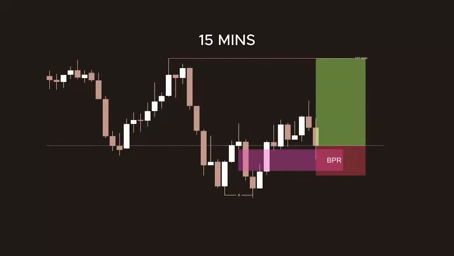 4:15 Mum Aralığı Teorisi (CRT) Alım Satım Stratejisi
 iPhone app Translate videos on your iPhone Paste a TikTok, Instagram or X link, add subtitles in your language and save the video to Photos.

TranslateMom transcribes and translates videos from X, TikTok, YouTube and Instagram. Paste a link and you get a page like this one, in your language.