
Luz vermelha e LEDs: possíveis efeitos nas mitocôndrias
Nov 1, 2026 1:34
Transcrito e traduzido com TranslateMom. Cole o link de qualquer vídeo para obter legendas e uma transcrição no seu idioma.
Nov 1, 2026 1:34
Transcrito e traduzido com TranslateMom. Cole o link de qualquer vídeo para obter legendas e uma transcrição no seu idioma.
Essa luz de comprimento de onda longo não é a luz que queima sua pele.
Não é o comprimento de onda da luz,
e ela estava presente nas lâmpadas incandescentes
Então, as lâmpadas incandescentes…
Você sabe, mesmo que veja uma lâmpada incandescente branca,
ela tem comprimentos de onda curtos, com azul e verde,
e amarelo, até
o vermelho e, em alguns casos, até infravermelho.
A esse infravermelho e vermelho,
vamos chamar simplesmente de comprimentos de onda longos.
Acredite ou não, há dados excelentes
sobre isso no laboratório de Glen Jeffery,
da University
College London, que pode entrar no seu corpo e atravessá-lo,
e isso na verdade ajuda, estou usando esse termo de forma ampla, a carregar
suas mitocôndrias. Nas mitocôndrias, há água nessa área, e a água
absorve a luz vermelha. Se você já nadou
e mergulhou, sabe como é,
praticando snorkel ou algo assim abaixo de certa profundidade,
você perde os tons vermelhos, certo?
Porque os tons vermelhos são absorvidos.
Ah.
Então, suas mitocôndrias funcionam melhor, você aumenta a produção de ATP
a produção, seu metabolismo aumenta na presença
de luz vermelha de lon-
longo comprimento de onda sobre a pele. Este estudo foi realizado.
Ilumine al- uma luz de longo comprimento de onda alguém,
observe os níveis de glicose no sangue em um teste de
glicose no sangue, e eles ficam atenuados.
Agora, as luzes de LED que são comumente
usadas atualmente estão em quase todos os lugares.
Elas são truncadas, de modo que seja
toda luz de comprimento de onda curto e médio, e
essa luz de comprimento de onda curto
na ausência de luz de longo comprimento
de onda foi demonstrado que danifica as
mitocôndrias. Há uma espécie de grupo
de nicho on- line, diferente dos, dos
diferente dos, dos
banhistas de ânus,
que são muito entusiastas disso
a ideia de que a mudança das lâmpadas incandescentes,
hum, para LEDs,
e não apenas das telas, mas da iluminação em geral, está causando
alterações na função mitocondrial.
Isso costumava ser considerado loucura
End of transcript · 336 words · machine translated
That long wavelength light is not the light that burns your skin. It's not the wavelength of light, and it was present in incandescent bulbs. So incandescents are... You know, even if you see a white incandescent bulb,
it's got short wavelength, so it's got blue, it's got green, it's got yellows, all the way out to red, and in some cases, even infrared. That infrared and red, we'll just call it long wavelengths.
Believe it or not, beautiful data on this from Glen Jeffery's lab, University College London, it can go into and through your body, and it actually helps, this is a loose term as I'm using it, charge
your mitochondria. The mitochondria, there's water in that area, and the water absorbs the red light. If you've ever gone swimming and you've gone down, you know, snorkeling or something below a certain depth, you lose the reds, okay?
Because the reds get absorbed. Oh. So your mitochondria function better, you increase ATP production, your metabolism increases in the presence of red li-
long wavelength light to the skin. This study has been done. Shine li- long wavelength light on somebody, watch blood glucose levels in a blood glucose test, and it's blunted. Now, the LED lights that are commonly
used now are most everywhere. They are truncated so that it's all short wavelength and medium wavelength light, and that short wavelength light in the absence of long wavelength
light has been shown to damage the mitochondria. There's a kind of a niche group online, different from the, from the butthole sunners,
so that are very bullish about this idea that the switch from incandescents, um, to LEDs, and not just screens, but general lighting, is causing disruptions in mitochondrial function.
This used to be considered crazy
 3:19 Vacinas contra a COVID e turbocâncer: alegações sobre possíveis mecanismos
 0:29 Encorajando uma criança enquanto contam e puxam
 0:48 Alegações sobre a Vacina contra a Pólio, o SV40 e o Câncer
 1:42 Issa Casajuha pede desculpas por comentários em evento na UTSA
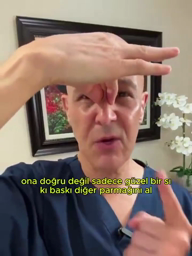 0:58 Pontos de pressão no nariz para aliviar a congestão dos seios nasais
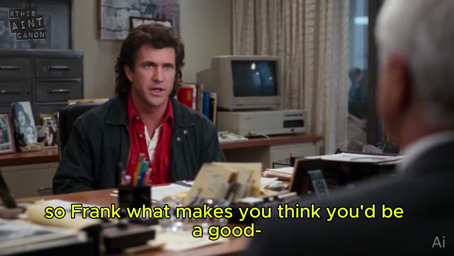 3:02 Detetive entrevista personagens de filmes de ação para uma nova parceria
 1:51 Tusk, o Tribunal Constitucional e o euro: alegações sobre a Polônia
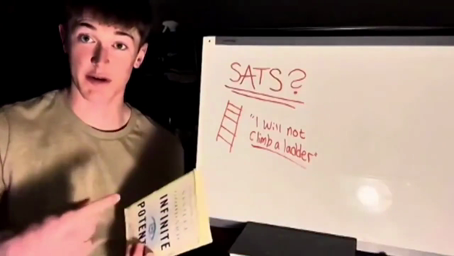 4:03 Como usar SATS para manifestar: a técnica da escada de Neville Goddard
 2:37 Pedido pelo fim das cidades-santuário e por punições a autoridades
 6:01 Alegações sobre a vacina da Pfizer contra a COVID e a saúde reprodutiva
 0:59 Letra de New Heart sobre um coração partido
 1:03 Morador comenta incidente sob investigação em West Palm Beach
 iPhone app Translate videos on your iPhone Paste a TikTok, Instagram or X link, add subtitles in your language and save the video to Photos.

TranslateMom transcribes and translates videos from X, TikTok, YouTube and Instagram. Paste a link and you get a page like this one, in your language.