
Balanced Price Ranges and BOLOs: Stop Loss Defense and Market Structure
2 min Money & business
as a really good level to be treated in the future, and you can keep that projected in the future, and it'll use it again.
Kind of like a balanced price range, where we want to see price go up and down between two specific price points, and then that thing becomes a very formidable area of defense, if you will, okay?
And think of it like the bolo. If you see a balanced price range form, you can use it to protect your stop loss as a barrier, much like I taught with the bolo.
So it's not just PD arrays that puts you into a trade, but there are PD arrays that are outside the 81.
So bolo is not part of the 81. 81 are entry models.
They're entry PD arrays. Bolos, okay, and balanced price ranges, their utilization are defensive.
They help give you context. They give you structure and framework about what is not permissible in price action, and if they fail to do their function of keeping price outside of them, they many times indicate a significant shift in market structure, and it may indicate something much more powerful going the other direction.
So even if you do have these utilized in your engagement with price action, if they yield to you and say, we didn't do a good enough job of keeping price out of this area, and it trades through that, don't be fearful.
Look at that and say, oh, it fails, and it failed, so they changed the algorithm.
No, it's actually giving you information, telling you that something on the other direction is underway, and just simply take the next PD array to get in sync with it, and many times you'll catch a tiger by the tail.
No extra charge. You got that one. If you didn't write that down, you missed something really, really good.
End of transcript · 317 words
 1:59 Office Meeting and Financial Updates
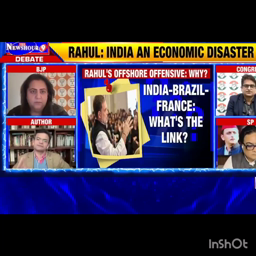 3:04 Economic Growth Debate in India
 2:57 Trump's Economic Strategy and Foreign Investment
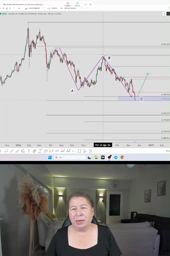 2:53 Gold Analysis: ABC Pattern, Fibonacci Levels and Staggered Buying
 2:59 Russian Industry: Civilian Sectors Decline as Defense Production Grows
 1:37 New Employee Parth Asks for an Intern During a Meeting
 1:00 A Call to Boycott Market Traders as Goods Return
 2:23 Why Are Gold and Bitcoin Falling? Questioning Lab-Made Gold Claims
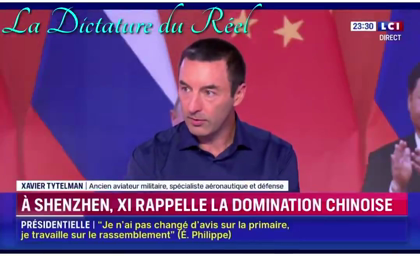 1:19 China’s State Capitalism and Deng Xiaoping’s Reforms
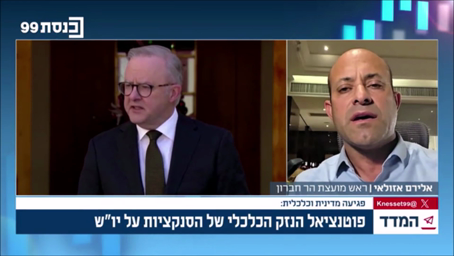 1:25 Banks Halt Construction Firm's Foreign Trade Accounts Amid Sanctions
 2:51 Marta Accepts Brossard Spain Leadership After Gabriel Disappears
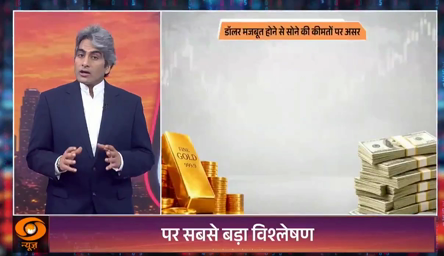 7:03 Why Are Gold and Silver Prices Falling? Dollar, Interest Rates and AI Stocks
 iPhone app Translate videos on your iPhone Paste a TikTok, Instagram or X link, add subtitles in your language and save the video to Photos.

TranslateMom transcribes and translates videos from X, TikTok, YouTube and Instagram. Paste a link and you get a page like this one, in your language.