
The Meaning of the Dua: O Allah, You Are Forgiving and Love to Forgive
5 min Machine translated Faith
5 min Machine translated Faith
So let us say this supplication often. We say it once, ten, twenty, or thirty times.
O Allah, You are Pardoning and love to pardon, so pardon me.
“Allahumma” means “O Allah.” O my Lord, You are Pardoning.
You draw near to Allah, the Almighty, and beseech Him by His names, as the prophets before you did.
And You are the Most Merciful of those who show mercy.
So you say, “O Lord, You are Pardoning.”
It is fitting to ask Allah, the Almighty, by the name that suits your request.
When Zechariah asked Allah, the Almighty, for a child, he asked Him by the name “The Bestower.”
When someone is guilty of sin, they ask Allah, the Almighty, for mercy, and so on.
So you say, “O Lord, You are Pardoning and love to pardon,” thus beseeching Allah, the Almighty, by His name, and beseeching Allah, the Almighty, by His action.
His name is “The Pardoning,” and His action is to love pardon.
Allah, the Almighty, loves to pardon His servants, and loves those among His servants who pardon others.
Accept what is easy. That is why Allah loves the human virtue of forgiving others. Accept what is easy.
Allah, the Almighty, commanded us to pardon those who wrong us and treat us badly.
You are Pardoning and love to pardon, so pardon me.
“Pardon me” means erase the sin I committed.
The person who says this supplication while reflecting on it He only says it while admitting his sin before Allah, the Almighty.
We are all sinners. There is not one of us who, by Allah, does not have sins that only Allah knows about.
If the sins are not sins of the limbs, sins of the limbs may be either by neglecting an obligation, or by committing something forbidden.
If the sins are not sins of the limbs, then they may be sins of the tongue.
How many people has this tongue cast face-first into the Fire, without their knowing?
Many people say things with their tongues that they don't know or understand, thinking they are trivial, but they plunge them into Hellfire for seventy autumns.
If the sins are neither of the limbs nor the tongue, then they are sins of the heart, and these are graver when directed toward anyone but Allah. when your heart does not have complete trust in Allah, the Almighty.
So sins are many. The poor soul is the one who thinks he has no sins.
The poor soul is the one who thinks he has been guided in every respect, and has encompassed all knowledge, so he has made no mistakes, nor ever misspoken, nor erred in his judgment.
That is not so. Rather, a person must acknowledge their sin.
And the Prophet, peace and blessings be upon him, did not say, “I have no sin,” Rather, Allah forgave his earlier and later sins.
That is why many scholars say that prophets may commit minor sins They are protected in receiving revelation, protected from associating partners with Allah, and protected from major sins.
Minor sins may occur from them. This is a well-known point of disagreement in the books of the scholars, but a group of scholars said that prophets may commit minor sins, so the Prophet, peace be upon him, was absolved of his sin.
So when you pray and say, “You are Pardoning and love to pardon,” the first of these things is that you appeal to Allah Almighty and exalt your Lord, Glorious and Exalted, by His name and His action, and reflect on these meanings,
then reflect and acknowledge your own sin.
And say, “My Lord, You are Pardoning and love to pardon, so pardon me.”
That is, erase this sin completely. Erase it so that no trace of it remains.
Allah Almighty erases the entire sin and leaves nothing of it, so He does not punish for it, nor hold the servant to account for it on the Day of Judgment, because pardon means erasure.
The wind erased the trace, meaning it wiped it away completely, leaving nothing.
Because mere concealment may still be held to account for, then he is forgiven, but pardon is not called to account for on Judgment Day, nor is one punished for it on Judgment Day, and its ill effects do not befall him in this world.
For a believer is not punished for sin in this world.
Rather, he is struck by misfortunes that atone for his sins, so the sin brings ill fortune.
A believer is not punished for sin, Rather, these are trials with which Almighty God tests the believer to raise his rank, and to erase his sin so this is not a matter of requital, but rather a matter of pardon.
It is simply the ill effect of a sin for which he is not punished, because Almighty God erases it and forgives it through His mercy, exalted and glorified is He.
So let us make a point of saying this supplication often.
We say it once, ten, twenty, or thirty times.
We ask.
End of transcript · 852 words · machine translated
إذن نحرص على كثرة هذا الدعاء. نقوله مرة وعشر وعشرين وثلاثين.
اللهم إنك عفو تحب العفو فاعف عني. اللهم بمعنى يا الله يا ربي إنك عفو.
تتقرب إلى الله عز وجل وتتوسل إليه بأسمائه كما توسل إليه الأنبياء قبل وأنت أرحم الراحمين.
فتقول يا رب إنك عفو. ويناسب أن تسأل الله عز وجل بالاسم الذي يوافق طلبك.
فزكريا لما سأل الله عز وجل الولد سأله بالوهاب.
ولما كان المرء مذنبا يسأل الله عز وجل بالرحمة وهكذا.
فتقول يا رب إنك عفو تحب العفو، فتوسلت إلى الله عز وجل باسمه، وتوسلت إلى الله عز وجل بفعله، فاسمه عفو، وفعله يحب العفو، فالله عز وجل يحب أن يعفو عن العباد، ويحب العافين من العباد.
خذ العفو. فلذلك من عفا عن الناس الله يحب فعل الآدمية ذلك. خذ العفو.
أمر الله عز وجل بالعفو عمن أخطأ عليك وأساء إليك.
إنك عفو تحب العفو فاعف عني. فاعف أي امحوا الذنب الذي أذنبت.
الذي يقول هذا الدعاء وهو متفكر فيه لا يقوله إلا وهو مقر لله عز وجل بالذنب.
كلنا ذنوب. ما من امرئ منا إلا ووالله عليه من الذنوب ما لا يعلم به إلا الله.
إن لم تكن الذنوب ذنوب جوارح. الذنوب قد تكون ذنوب جوارح إما بترك واجب، وإما أن تكون بفعل محرم.
إن لم تكن الذنوب ذنوب ذنوب جوارح، فقد تكون الذنوب ذنوب ألسنة.
فكم كب هذا اللسان كثيرا من الناس في النار على وجهه وهو لا يدري.
كثير من الناس يتكلم بلسانه أشياء لا يعرف، لا يعلمها، يظنها سهلة، تهوي به في نار جهنم سبعين خريفا.
إن لم تكن الذنوب ذنوب جوارح ولا لسان فإنها ذنوب قلب، وهذه أعظم عندما تتعلق بغير الله.
عندما تكون قلبك ليس كامل التوكل على الله عز وجل.
إذن الذنوب كثيرة. ذاك المسكين هو الذي يظن أن لا ذنب له.
ذاك المسكين هو الذي يظن أن الهداية وفق لها من كل وجه، وأنه قد أحاط بكل شيء علما، فلم يخطئ في شيء، ولم يزل في كلمة، ولم يكن له خطأ في اجتهاد.
ليس ذلك كذلك، بل الإنسان يجب أن يقر بالذنب.
والنبي صلى الله عليه وسلم لم يقل ليس لي ذنب، وإنما غفر الله ما تقدم من ذنبه وما تأخر.
ولذلك كثير من أهل العلم أن الأنبياء قد تقع منهم الصغائر معصومون في الوحي، معصومون عن الشرك، معصومون عن الكبائر، قد تقع منهم الصغائر.
هذه مسألة فيها خلاف مشهور في كتب أهل العلم، لكن قال جمع من أهل العلم قد يقع من الأنبياء صغائر، لذا كفر عن النبي عليه الصلاة والسلام ذنبه.
إذن أنت عندما تدعو فتقول إنك عفو تحب العفو، أول هذه الأمور توسلت إلى الله عز وجل وعظمت ربك جل وعلا باسمه وبفعله، ونظرت في هذه المعاني، ثم نظرت وأقررت بعد ذلك على نفسك بالذنب.
وقلت يا رب إنك عفو تحب العفو فاعف عني. أي امح هذا الذنب بكليته امحه فلا يبقى له أثر.
فالله عز وجل يمحو الذنب كله فلا يبقي منه شيئا، فلا يعاقب عليه، ولا يحاسب عنه العبد يوم القيامة، لأن العفو هو المحو.
عفت الريح الأثر أي محته فلم يبق له شيء لأنه مجرد الستر قد يحاسب عنه ثم يغفر له، لكن العفو لا يسأل عنه يوم القيامة، ولا يعاقب عنه يوم القيامة، ولا يأتيه شؤمه في الدنيا، فإن الذنب المؤمن لا يعاقب عليه في الدنيا، وإنما تأتيه من المصائب ما تكفر ذنوبه فيكون للذنب شؤما.
المؤمن لا يعاقب على الذنب، وإنما هذه أمور ابتلاءات يبتليها الله عز وجل المؤمن ليرفع درجته، ولأجل أن يمحو عنه ذنبه فلا تكون من باب المقابلة، وإن من باب العفو، وإنما هي شؤم ذنب لا معاقبة له، لأن الله عز وجل يمحوها ويغفرها برحمته سبحانه وتعالى.
إذن نحرص على كثرة هذا الدعاء نقوله مرة وعشر وعشرين وثلاثين.
نسأل.
 4:41 Mosque Loudspeakers, Ibn Uthaymeen’s Fatwa and the Sahwa Movement
 9:26 Was Ahmad ibn Hanbal the First to Recognize Ali’s Caliphate
 5:00 Battle of the Camel in Fath al-Bari: Talha, Zubayr and Ammar
 6:08 Ibn Taymiyyah on Allegiance to Ali and Ahmad ibn Hanbal on His Caliphate
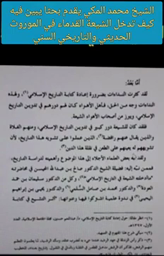 9:22 Shia Influence on Historical Narratives and Hadith: Aban ibn Taghlib
 4:41 Discussion of Shia Beliefs and Bassem Karbalaei’s Laments
 0:50 A Family Dispute and an Appeal to Islamic Law
 1:49 Imam Mahdi and Accountability for Our Actions
 2:30 Poem Praising Prophet Muhammad on His Birth
 1:51 Umar’s Report on the Stoning Verse and Al-Hadi’s Argument
 1:08 Gaza’s Resilience and Faith in God
 1:31 The Westernization Project and Media's Influence on Islamic Law
 iPhone app Translate videos on your iPhone Paste a TikTok, Instagram or X link, add subtitles in your language and save the video to Photos.

TranslateMom transcribes and translates videos from X, TikTok, YouTube and Instagram. Paste a link and you get a page like this one, in your language.