
كيفية استخدام سيولة خط الاتجاه في التداول
5 min Machine translated Money & business
5 min Machine translated Money & business
هذا ليس سيولة. وهذا أيضًا ليس سيولة. هذه سيولة.
إذًا، ما الفرق؟ إذًا، في هذه الحلقة، سأريكم كيف تستخدمون السيولة فعليًا، وليس فقط ما هي السيولة، بل كيف أستخدم السيولة فعليًا؟
إذا كان هذا يهمك، فتأكد من الإعجاب، ومتابعتي، ومشاركة هذا الفيديو مع أصدقائك.
هيا ندخل في الموضوع يا جماعة. أولًا، سيولة خط الاتجاه.
لكن كيف تستخدمها فعليًا؟ سيولة خط الاتجاه لا— لا تتكوّن عشوائيًا.
بل تتكوّن عندما تكون حركة السعر فعّالة. لكن ماذا تقصد بهذا يا زاك؟
لهذا، علينا الرجوع إلى الأساسيات، إلى 101، ما هي؟ هيكل السوق.
كلما حدث كسر للهيكل في الاتجاه الصاعد أو الهابط، فهناك أسباب أخرى، وهناك سببان السبب الرئيسي لوجوب عودة السعر إلى هذا المستوى قبل أن يرتفع أكثر.
ما السبب الأول؟ يعود السعر لتصحيح اختلال التوازن.
اختلال التوازن هو ما يدفع السوق في الاتجاه الحالي الذي يريد أن يسلكه.
وهو ما يدفع هذا السوق إلى كسر البنية صعودًا.
لذا يجب على السعر تصحيح تلك الحركة، ويجب أن يستخدم السيولة من أجل— ماذا؟
لتمويل الحركة الصعودية التالية. لذلك ترى أن السعر سي يعود إلى هذا المستوى، ويُنشئ سيولة، ثم يستخدم تلك السيولة للارتفاع مجددًا.
إذا تحرك السعر بهذه الطريقة، فهذا ما نسميه حركة فعّالة في الأسواق.
السعر يتحرك بكفاءة. وقد فعل الأسباب الثلاثة كلها التي تفرض عليه العودة إلى هذا المستوى.
ما السبب الأول؟ أخذ السيولة، لتمويل الحركة الصعودية التالية.
ما السبب الثاني؟ تصحيح اختلال التوازن. لذلك، ماذا نستخدم؟
نقطة اهتمام هي الأقرب إلى السيولة لإجراء صفقة.
لهذا يستخدمها بعض الناس، السيولة الهيكلية ونقطة الاهتمام، ويبيعونك دورة تدريبية.
مثير للاهتمام جدًا. إذًا، عندما يتحرك السعر، يحدث الأمر نفسه.
عندما يحدث لدينا كسر آخر للهيكل، سيعود السعر ويُنشئ سيولة، ويأخذ تلك السيولة، ويستخدمها لدفع الحركة التالية إلى الأعلى.
اكسر الهيكل، أنشئ سيولة، وخذ تلك السيولة، وادفع الحركة التالية إلى الأعلى.
هذا ما يُنشئ سيولة خط الاتجاه. لذا عندما تكون لديك سيولة خط الاتجاه تلك، فهذا يعني أن السعر يتحرك بكفاءة بالفعل.
لا يوجد سبب يدعو السعر إلى العودة إلى هذا المستوى الآن كي يواصل الارتفاع.
هل فهمتم؟ لهذا يتداول بعض الناس عند اختراق الهيكل.
وبعضهم يتداولون سيولة خط الاتجاه. الأمر ليس عشوائيًا.
إنهم يفهمون البنية. ولهذا السبب يستخدمونها.
لذا كلما رأيت السعر يستخدمه للنقر، استخدم هذا، أمم، مستوى جديدًا الآن، فهو فقط لحركة تصحيحية إلى الأمام ليستمر السعر في الهبوط.
لذا، سيولة خط الاتجاه، نستخدمها لتحديد الأهداف.
كلما كسر السعر سيولة خط الاتجاه، سيستخدم بعض المستويات القريبة من سيولة خط الاتجاه تلك لأي غرض؟ لحدوث ارتداد، ليواصل السعر طريقه، وماذا؟
في الواقع، يزيل كل سيولة خط الاتجاه تلك.
لكن كيف تستخدمها فعليًا؟ هناك نوعان من السيولة التي يستخدمها السعر قبل أن يُكمل هذا النوع من البنية.
أولًا، إما أن يستخدم السعر السيولة الهيكلية، التي— ماذا— يسميها بعض الناس سيولة الاستدراج، وهي أول ارتداد بعد كسر البنية.
السبب هو أن السعر يأخذ السيولة فحسب. لذلك، عندما يأخذ السعر السيولة، فماذا يحدث في معظم الأحيان؟
يتجه في الاتجاه المعاكس، ويُنشئ سيولة قبل أن يصعد أو يهبط، صحيح؟
وقد شرحت لماذا يجب على السعر أن يعود إلى هذا المستوى.
إذا كانت هناك سيولة عند ذلك المستوى، فسيستخدم السعر تلك السيولة.
والسبب في أن السعر يصل إلى منطقة اهتمامك سواء كانت كتلة اختراق أو FBG، أو منطقة اهتمام أو كتلة أخرى، هو أن السعر قد أتمّ ماذا؟
هذه التحركات الثلاث كلها. هذا ما قصدته. كسر البنية، والسيولة، واستخدام تلك السيولة للوصول إلى منطقة الاهتمام الأقرب إلى السيولة، SLV.
الأمر نفسه، فالسعر يتحرك بكفاءة. كسر السعر البنية، ثم عاد وأخذ السيولة، ووصل إلى منطقة الاهتمام القريبة من السيولة، واستمر في النزول.
هذا ما يصنع خط السيولة الاتجاهي. لكن كيف— لماذا أضع، لماذا أضع علامة على هذا باعتباره سيولة وهذا باعتباره سيولة؟
ولهذا يأتي دور السيولة الاستدراجية والسيولة المُنشأة.
وفي الحلقة القادمة، سأشرح لكم كيف تستخدمونها فعليًا.
لأن الأمر لا يقتصر على كسر الهيكل، أو أول تراجع بعد كسر الهيكل.
هذا ليس أول تراجع بعد كسر الهيكل. لذا يُفترض أن تفهموا ما هي السيولة، وماهية السيولة فعلًا.
لذا في الحلقة القادمة، سأشرح هذا، لكن أريدكم أن تجعلوا هذا الفيديو يحظى بالتفاعل.
لذا شاركوه مع أصدقائكم كي أُعدّ فيديو ثانيًا أشرح فيه كيف تستخدمون فعليًا السيولة الاستدراجية والسيولة المُنشأة، لأنهما مهمتان جدًا.
إذا لم تستطع دعمهم، فلا يمكنك أن تكون الحافز.
سلام.
End of transcript · 670 words · machine translated
This is not a liquidity. This is also not a liquidity.
This is a liquidity. So what is the differences?
So in this episode, I'm gonna show you how to actually use liquidity, not just show you what liquidity is, but how do I actually use liquidity?
If this is something you're interested in, make sure you like, follow me, and share this video with your friends.
So let's get into it, guys. Number one, trend line liquidity.
But how do you actually use it? Trend line liquidity does- doesn't just form randomly.
It form when price movement is efficient.
But what do you mean by this, Zachs? So for this, we're gonna go have to go back to 101, which is what? Market structure.
Anytime you have a break of structure to the upside or to the downside, there are more reasons, there are two main reason why price must come back to this level before going higher.
Number one is what? Price to correct an imbalance.
Imbalance is what drive market in the current direction it wants to go.
It's what drive this market to break structure to the upside.
So price must correct that movement, and it must use liquidity to ne- what?
To fuel the next move higher. So that's why you see price will come back to this level, create liquidity, and use that liquidity to go back higher.
If price make this kind of movement, that what we called efficiency movement in markets.
Price is efficient. It did all of the three reason why it has to come back to this level.
Number one is what? To take liquidity, to fuel the next move higher.
Number two is what? To correct an imbalance.
That's why we use what? A point of interest that is closest to liquidity to take a trade.
That's why some people use it, structural liquidity and point of interest, and sell you a course.
Very interesting. So when price make a move, the same thing.
When we have another break of structure, price will come back, create a liquidity, take that liquidity, and use it to fuel the next move higher.
Break a structure, create liquidity, take that liquidity, and fuel the next move higher.
This is what creates trend line liquidity.
So when you have that trend line liquidity, that mean price is already efficient.
There's no reason for price to come back to this level now for it to continue going up.
Do you guys understand? That's why some people trade breakout structure.
Some people trade trend line liquidity. It's not random.
They understand structure. That's why they're using it.
So anytime you see price use to tap, use this, um, fresh OB now, it's just for correctional move forward for price to continue going lower.
So trend line liquidity, we use it for targets.
Anytime price broke trend line liquidity, it will just use some levels that are like close to that trend line liquidity for what? For a pullback, for price to continue and what?
Actually clear all of that trend line liquidity.
But how do you actually use it? So there are two types of liquidity that price used before it complete this kind of structure.
Number one is either price use structural liquidity, what-- which some people call it inducement liquidity, a first pullback after break of structure.
The reason is price just take liquidity.
So that's why if price take liquidity, most of the time it what?
It go to the opposite direction, creating a liquidity before going up lower, right?
And I explained why price must come back to this level.
So if you have liquidity at that level, so price will use that liquidity.
So the reason price tap into that your point of interest, either breakup block or FBG or point of interest or other block, is because price has already what?
Done all of these three movement. So this is what I meant.
Break of structure, liquidity, and use that liquidity to tap into point of interest that is closest to liquidity, SLV.
Same thing, price is efficient. Price broke structure, come back, take liquidity, tap into point of interest that is close to liquidity, and continue going lower.
This is what creates the trend line liquidity.
But how do-- why do I, why do I mark this as liquidity and this as liquidity?
This is why inducement and engineer liquidity come in.
And in the next episode, I'm gonna explain to you how do you actually use them.
Because not just break of structure that is, um, first pullback after break of structure.
This is not the first pullback after break of structure.
So you guys supposed to understand what liquidity, liquidity actually is.
So in the next episode, I'm gonna explain this, but I need you to see this video get engagement.
So share it with your friends so that I will make a second video explaining how do you actually use inducement liquidity and engineer liquidity, because they're very important.
If you cannot support them, you cannot be the inducement.
Peace out.
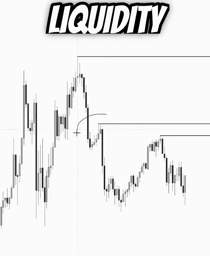 0:53 اكتساح السيولة الداخلية والخارجية في التداول
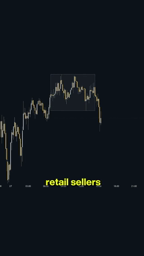 0:52 كيفية تداول نموذج التجميع والتلاعب والتوزيع باستخدام ملف الحجم
 1:52 سيولة الاستدراج: كسر الهيكل بالذيل مقابل جسم الشمعة
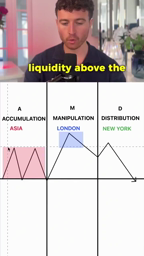 0:49 استراتيجية AMD: التجميع والتلاعب والتوزيع في جلسات التداول
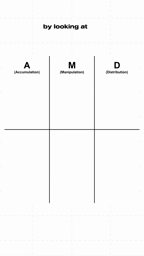 1:36 دورة AMD في التداول: جلسات آسيا ولندن ونيويورك
 0:56 موجات إليوت: الفرق بين صعود بخمس موجات وارتداد بثلاث
 0:41 كيفية استخدام مستويات منتصف الليل و8:30 و9:30 في التداول
 7:01 السيولة في التداول: تحديد الاتجاه اليومي باستخدام قمم وقيعان الأطر الزمنية الكبرى
 9:07 مزاعم عن سيطرة جماعة شيطانية على الحكومات وخطة لظهور المسيح الدجال
 1:15 مشادة بين زبون وموظف متجر حول الحقيبة وفصل الموظف
 1:56 ضباط أفلام الأكشن يتنافسون للقبض على الأشرار مقابل زيادة في الراتب
 2:44 محاكاة ساخرة لبن شابيرو عن الحرب على إيران والإعلام
 iPhone app Translate videos on your iPhone Paste a TikTok, Instagram or X link, add subtitles in your language and save the video to Photos.

TranslateMom transcribes and translates videos from X, TikTok, YouTube and Instagram. Paste a link and you get a page like this one, in your language.