
Haití: fuerza de la ONU contra pandillas y misión separada de El Salvador
2 min Machine translated About Haiti War & conflict
2 min Machine translated About Haiti War & conflict
Están proporcionando su propio transporte aéreo.
Así que están pasando dos cosas en Haití.
Está la fuerza de supresión de pandillas, que es la misión de la ONU, y tienen fuerzas, creo que unos cien soldados que forman parte de ella, y eso es lo que hemos estado apoyando.
No tenemos tropas allí, pero hemos participado.
Y luego hay una misión aparte que han asumido bilateralmente de acuerdo con las autoridades haitianas, eh, para, eh, ir tras las pandillas que secuestraron a sus fuerzas que estaban allí, a sus soldados que estaban allí.
Así que esa es una misión aparte. Él llamó al presidente y le informó de lo que estaba haciendo, y el presidente entendió por qué lo hacía, pero no estamos necesariamente… no participamos activamente en ese esfuerzo.
¿Eso podría debilitar la fuerza de supresión de pandillas que tienen?
No, mientras haya salvadoreños allí, tendrán que…
Sí… contratistas de seguridad privada. Hay mucha gente trabajando sobre el terreno.
Sí. No, mientras la cadena de mando esté bien establecida, quién trabaja para quién, y creo que tendrán que… Ya hemos planteado este punto, no como una crítica, sino como una observación, tenemos que dejarlo claro, tenemos que asegurarnos de que haya coordinación entre ellos.
Lo que… Lo que no pueden permitir es que la fuerza de supresión de pandillas, ya saben, se tope con soldados salvadoreños y se disparen unos a otros porque creen que el otro bando son miembros de pandillas.
Por eso necesitarán un mecanismo de coordinación.
Necesitarán mucha coordinación sólida. porque están operando a la vez.
Eh, ya lo hemos señalado y estamos, y… Pero no creo que necesariamente tenga que ser un conflicto.
¿De acuerdo?
Sí. Eh, ya estamos en el quinto mes, eh…
Punto, ¿verdad… punto antes del, del
End of transcript · 295 words · machine translated
They're providing their own airlift. So there's two things going on in Haiti.
We have the gang suppression force, which is the UN mission, and they have forces, I think about a hundred soldiers that are a part of that, and that's what we've been engaged in supporting.
We don't have troops there, but we've been engaged.
And then there's a separate mission which they've taken on bilaterally in agreement with the Haitian officials, um, to, uh, to, to go after the, the gangs that, that kidnapped their, uh, their, their forces that were there,
their soldiers that were there. So that's a separate mission.
He, he called the president and made him aware of what he was doing, and the president understood why he was doing it, but we're not necessarily-- we're not actively involved in that effort.
Does, does it potentially undermine the gang suppression force that you have?
No, as long- Salvadorians there, you have the- Yeah ... private security contractors.
There's a lot of people on the ground working.
Yeah. No, as long as the chain of command is, is well established, who's working for who, and I think they'll have to, and we've raised this point, not that it's a criticism, just as an observation, we have to make clear,
we have to make sure that there's deconfliction going on.
You-- What you can't have is gang, you know, gang suppression force running into Salvadorian soldiers and shooting at each other because they think the other side are gang members.
So that's why you'll need a deconfliction mechanism.
You'll need a lot of strong coordination 'cause they're operating alongside one another.
Um, so we've pointed that out and are, and...
But, uh, but I don't think it necessarily has to be a conflict.
Okay?
Yeah. Um, we're now into the fifth month, uh- Period, right ... period before the, the
 2:51 Canciller ruso niega atacar a civiles tras bombardeo de fábrica
 3:51 Trump anuncia ataques de EE. UU. contra instalaciones nucleares de Irán
 3:32 Veterano de Vietnam recuerda su regreso y el Memorial de los Veteranos
 0:52 Putin y las muertes de civiles en la guerra entre Rusia y Ucrania
 1:21 Afirmaciones sobre el arsenal de misiles de Irán y el ataque de Trump
 1:16 Tensiones entre Israel e Irán: ataques, alto el fuego y política de EE. UU
 0:39 La costa de Gaza y una propuesta para trasladar a sus habitantes al Néguev
 1:03 La guerra, la opinión pública y las advertencias nucleares de Netanyahu
 0:57 Hijo de supervivientes del Holocausto denuncia el trato de Israel a los palestinos
 1:00 Pruebas nucleares de Estados Unidos en las Islas Marshall y el atolón Bikini
 0:57 Adolescentes israelíes estudian persa para posibles puestos de inteligencia
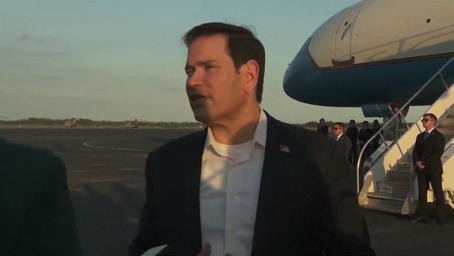 1:28 Haití: misión de la ONU contra pandillas y operación salvadoreña separada
 iPhone app Translate videos on your iPhone Paste a TikTok, Instagram or X link, add subtitles in your language and save the video to Photos.

TranslateMom transcribes and translates videos from X, TikTok, YouTube and Instagram. Paste a link and you get a page like this one, in your language.