
Isfahan’s Pigeon Towers: Engineering and Uses of Pigeon Manure
2 min Machine translated About Iran History & how-to
2 min Machine translated About Iran History & how-to
Towers in Isfahan that housed up to 14,000 residents and the Safavid government heavily taxed their income.
But there were no barracks here, no fortress, and no prison.
So what was produced in these mysterious towers that was worth its weight in gold?
Their main residents were pigeons. Iranian architects designed the inside like a giant beehive, with thousands of small, orderly nests.
Pigeons entered through special openings in the roof designed to let in only pigeons of a certain size and keep out birds of prey.
But the engineers faced two major enemies: snakes and sound shock.
To stop the snakes, they ran bands of perfectly smooth plaster around the tower so no reptile could climb up.
And since pigeons can have heart attacks at the slightest loud noise, they built the inner columns to break sound waves like acoustic insulation and preserve the tower's tranquility.
All right, now we get to the heart of the matter.
The purpose of all this engineering was to collect pigeon droppings.
The richest nitrogen fertilizer in the world at the time was emptied from the tower floor once a year.
A vital substance for growing Iran’s finest melons and watermelons, softening leather in tanneries, and even making gunpowder.
The French traveler Jean Chardin writes in his travelogue that around Isfahan alone more than 3,000 pigeon towers were in operation.
Centuries ago, Iranians, using only mud bricks and mud and a precise understanding of nature, created a win- win ecosystem and
End of transcript · 248 words · machine translated
برجهایی در اصفهان که تا 14 هزار ساکن داشتن و حکومت صفوی از درآمدشون مالیات سنگین میگرفت.
اما اینجا نه پادگان بود، نه قلعه و نه زندان.
پس توی این برجهای مرموز چی تولید میشد که حکم طلا رو داشت؟
ساکنان اصلیش کبوترها بودن. معمارهای ایرانی داخل برج رو مثل یک کندوی غولپیکر با هزاران لانه کوچک و منظم طراحی کرده بودن.
کبوترها از دریچههای سقفی خاصی وارد میشدن که طراحیشون فقط به جثه کبوتر اجازه ورود میداد و راه رو بر پرندههای شکاری میبست.
اما مهندسها با دو دشمن بزرگ روبهرو بودن: مارها و شوک صوتی.
برای متوقف کردن مارها کمربندهایی از گچ کاملاً صیغلی دور برج میکشیدن تا هیچ خزندهای نتونه بالا بره.
از طرفی چون کبوترها با کوچکترین صدای مهیبی سکته میکنن، ستونههای داخلی رو طوری ساخته بودن که مثل یک عایق آکوستیک امواج صوتی رو بشکنه و آرامش برج حفظ بشه.
خب حالا میرسیم به اصل ماجرا. هدف از این همه مهندسی جمعآوری فضولات کبوتر بود.
غنیترین کود نیتروژنی دنیا در اون زمان که سالی یک بار از کف برج تخلیه میشد.
مادهای حیاتی برای کشت بهترین خربزهها و هندوانههای ایران، نرم کردن چرم در دباغیها و حتی ساخت باروت.
ژان شاردن، جهانگرد فرانسوی در سفرنامهش مینویسه که فقط در اطراف اصفهان بیشتر از 3 هزار برج کبوتر فعالیت میکردن.
قرنها پیش ایرانیها فقط با خشت و گل و شناخت دقیق طبیعت یک اکوسیستم برد-برد و
 4:05 Latin’s Influence on English and the Debate Over Word Formation
 2:51 How to Prepare Nigerian Edikang Ikong Soup
 2:27 Can Kurdish Be Used to Write Philosophy
 2:41 Tipu Sultan, Religious Conversions and Temple Donations: Historical Claims
 1:43 The Maghreb, Umayyads and Abbasids: A Narrative of Race and Power
 0:37 Praise for Learning a Skill Quickly on the Spot
 0:36 Praveen Is a Born Storyteller: A Memorable First Meeting
 1:08 Why Was Printing Not Widely Used in the Ottoman Empire
 0:58 Mustafa Kemal and Daily Mail Reporter Price in British Documents
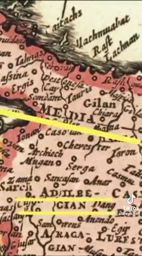 1:03 Azerbaijan on a 1641 Dutch Map
 0:25 Education and Inquiry: The Need for Practical Assessment
 0:16 Studying Beyond the Desk: Preparing Your Body to Learn
 iPhone app Translate videos on your iPhone Paste a TikTok, Instagram or X link, add subtitles in your language and save the video to Photos.

TranslateMom transcribes and translates videos from X, TikTok, YouTube and Instagram. Paste a link and you get a page like this one, in your language.