
Shia Influence on Historical Narratives and Hadith: Aban ibn Taghlib
9 min Machine translated Faith
9 min Machine translated Faith
My dear brothers, and this is truly a painful introduction, the early Shiites, the early Shiites who preferred Ali to Uthman, or the second tier, who preferred Ali ibn Abi Talib over all the Muhajirun and Ansar, or those who disparage the Companions,
may God be pleased with them all, and the third tier, the Rafidites.
All of these, my dear brothers, shared with us in the historical and hadith narrative tradition.
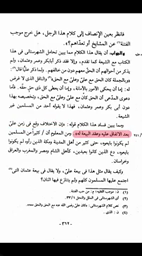
Before you, my dear brothers, is a doctoral study entitled The Impact of Shiism on Historical Narratives in the first century of the Hijra.
I mean, my brothers, the Shiites are not a recent sect.
I mean, it may be true that today's Imami Shiites are considered a new revival of paganism, but this, my brothers, is the culmination of the old innovation, namely the innovation of Shiism, and judging people by their lineage.
The early Shiites were with us from the first century and produced thousands of narrations, whether in Sunni history, Muslim history, or the hadith narrative tradition.
This study examines the impact of Shiism on historical accounts in the first century AH.
By Dr. Abdulaziz Mohammed Noor Wali. The author says, of course, we’ll take some elements from it.
The author says in the introduction: “To proceed, calls have grown more frequent for the Islamic past to be rewritten.”
Of course, look at that phrase, my brothers.
It’s a very weighty statement: “Rewrite Islamic history.”
I mean, where else would you find this, in any nation?
A nation rewriting its history from scratch.
I mean, he wouldn’t have said this if he hadn’t seen the calamities and disasters the Shiites introduced into this legacy.
He says these calls have some merit, for people of heretical views played a role in recording Islamic history, and among them, the Shiites stand out.
The Shiites played a major role in recording Islamic history, including extremists and those called Rafidites.
This isn’t a matter of mild Shiism, nor is it just the Shiites who favor Ali.
Even the Rafidites took part in this legacy.
Those who worked to distort this history because distorting it helps them to attack the transmitters of this religion.
Of course, as you know, my brothers, the Shia are enemies of this nation and enemies of this history, so they are always using their tongues and pens to attack this history Just as we oppose Crusader history, they oppose Islamic history,
for they took part in none of this nation's achievements.
He says that some eminent scholars drew attention to this issue and its importance to the study of history, including His Eminence Dr. Saleh Al-Muhaysin in his lecture, “The Shia's Contributions to Islamic History,” as well as Dr. Suleiman Al- Awda and Dr. Mohammed bin Samel Al- Sulami and Dr. Yahya bin Ibrahim Al-Yahya.
These scholars, my brothers, addressed a very important issue: the Imami Shia introduced into the Sunni narrative tradition much that serves their racist, class- based dynastic agenda, and they urge the nation to rewrite this history.
And the issue is not about history. It may be the title of the message, “History,” but the examples he gave in the book are all found, more or less, in the modern hadith tradition, Let’s take an example.
The second chapter says: “Accused of Shiism by the Akhbaris” Aban ibn Taghlib.
And here, brothers, when you look at this man’s biography, although he was, as they say, a staunch Shiite, you still find Sunni scholars treating him leniently, his Shiism and the scholars’ stance toward him.
Ibn Adi said, “Aban has hadiths and collections, and his hadiths are generally sound when he narrates, if a trustworthy person narrates from him.
He is among those truthful in narrations, even though his sect is Shiism.”
Of course, I always say, brothers: Shiites, a truthful Shiite, or an honest Shiite, is like the phoenix, found only in books, but not in reality.
That is, you’ll find an honest Shiite only if you find a phoenix, or a devout secularist, I mean, something that’s its exact opposite.
He says: “Al-Dhahabi said, ‘A staunch Shiite.
A staunch Shiite, but honest.’ We said: His honesty is to our credit, and his heresy is against him.”
Okay. Ibn Hajar said, “Reliable,” though he criticized him for Shiism and among what he narrated…
So, brothers, he serves his project, spreading his poison through the Sunni narrative tradition.
Al- Dhahabi tells us, “He was truthful, but had his innovation.”
Meaning, he places innovation within the Sunni narrative tradition, then says he had his innovation.
How can he have his innovation when it’s in your books?
He says, “Among what he narrated about the virtues of the Ahl al- Bayt: The Prophet, may God’s blessings and peace be upon him and his family, said, ‘Al- Hasan and Al- Husayn…’
‘…are the leaders of the youths of Paradise, and their father is better than they are.’
This is one example, brothers. There are so many examples.
Of course, dear brothers, the findings of this study are: First, adopting Shiite historical reports, especially extremist ones, as a general framework that accords with the beliefs and foundations on which Shiite doctrine is based,
and to extract facts from those reports, one must be alert to this approach and strip the reports of it.
Meaning, he says, “Glory be to God, brothers,” all Shiites, whether extremist or not, pour into the same cup and follow the same path, serving the project.
The racial, class- based Salafi approach is a service to the Shiism project.
Whether it involves mild Shiism or has reached rejectionism.
He also says, under the sixth point, Brothers, you can pause the screen if you want to read all the findings, but, I mean, time is very short, and we don't want to keep you too long.
He says, sixth: the sheer volume— and this is very important, brothers— this isn't a matter of one, two, or three narrations.
There are thousands of fabricated and preserved narrations found in Sunni books, whose bearers and transmitters are Shiites.
He says, sixth: the sheer volume of Shiite narrations contained in Sunni sources.
The sheer volume. God is our help. Eighth.
He says that historical sources rely on Shiite narrations about various events in history.
Perhaps one of the most important reasons for relying on them so heavily is the lack of corresponding narrations that provide the historical sequence of the event as depicted in the Shiite narration.
I mean, he's telling you there are historical events Historically, it has no transmitter other than the Shiites.
You won't find a Sunni account to match it.
Look at where we've ended up. I mean, some events, for example, if we take the killing of Hussein or the killing of Abdullah ibn al- Zubayr, or any historical incident, and this is their field, I mean, their field is civil strife.
He says you won't find a Sunni account. All the accounts are Shiite, as if you're reading the book Al-Kafi.
The eleventh point. He says not to ignore the aspect of Shiism.
Do not ignore the aspect of Shiism in those who are not extremists, for although they are not extremists, they still transmit what supports their Shiism, and this is considered a rebuttal to al- Dhahabi, who said, “His innovation is against him,
but we accept his truthfulness.” He says, “No, you should not ignore this innovation, because even a Shiite with only mild Shiite leanings will be found serving his cause and his innovation.”
That was the first introduction, brothers.
So you are faced with a huge number of Shiite narrations stored in Sunni sources.
So don't be misled when you read al- Musannaf, or that the compiler is Sunni.
No, the compiler may be Sunni. And the account in it is purely Shiite.
End of transcript · 1,311 words · machine translated
إخواني الكرام، وهي مقدمة مؤلمة حقيقةً، أن الشيعة القدماء، الشيعة القدماء الذين يفضلون علياً على عثمان، أو الدرك الثاني الذين يفضلون علي بن أبي طالب على المهاجرين الأنصار جميعًا، أو الذين يحطون من قدر الصحابة رضي الله عنهم جميعًا،
وهو الدرك الثالث وهم الرافضة. هؤلاء جميعًا إخواني الكرام قد شاركونا في الموروث الروائي التاريخي والحديثي.
أمامكم إخواني الكرام دراسة دكتوراه بعنوان أثر التشيع على الروايات التاريخية في القرن الأول الهجري.
يعني الشيعة إخواني ليست طائفة حادثة، يعني ممكن الشيعة الإمامية اليوم صحيح أنها تعتبر البعث الجديد للوثنية، ولكن هذا إخواني نهاية البدعة القديمة التي هي بدعة التشيع والنظر إلى الناس من خلال أنسابهم.
الشيعة القدماء كانوا معنا منذ القرن الأول ووضعوا روايات كثيرة بالآلاف سواء في تاريخ أهل السنة، تاريخ المسلمين أو في الموروث الروائي الحديثي.
فهذه الدراسة أثر التشيع على الروايات التاريخية في القرن الأول الهجري تأليف الدكتور عبد العزيز محمد نور ولي.
يقول المؤلف طبعًا نأخذ منها بعض العناصر.
يقول المؤلف في المقدمة يقول: أما بعد، لقد كثرت النداءات بضرورة إعادة كتابة التاريخ الإسلامي.
طبعًا انظروا إلى الجملة إخواني جملة كبيرة جدًا، يقول إعادة كتابة التاريخ الإسلامي، يعني هذا أين تجده في أي أمة؟
إن الأمة تعيد كتابة التاريخ من جديد، يعني هذا ما قال هذه الكلمة إلا بعد أن رأى من المصائب والكوارث التي وضعها الشيعة في هذا الموروث.
يقول ولهذه النداءات وجه من الحق، فأهل الأهواء كان لهم دورهم في تدوين التاريخ الإسلامي، ويبرز من أصحاب الأهواء الشيعة، فلقد كان للشيعة دور كبير في تدوين التاريخ الإسلامي، ومنهم الغلاة والذين يقال عنهم رافضة.
المسألة ليست مسألة تشيع خفيف وليسوا الشيعة المفضلة، وإنما حتى الرافضة شاركونا في هذا الموروث الذين عملوا على تشويه هذا التاريخ لأن تشويههم له يعينهم على الطعن في نقلة هذا الدين.
طبعًا أنتم كما تعلمون إخواني أن الشيعة هم أعداء لهذه الأمة وأعداء لهذا التاريخ، فدائمًا يسلطون ألسنتهم وأقلامهم للطعن في هذا التاريخ مثلما نحن أعداء للتاريخ الصليبي هم أعداء للتاريخ الإسلامي، فهم لم يشاركونا في أي منجز من منجزات هذه الأمة.
يقول ولقد نبه بعض العلماء الأجلاء إلى هذا الموضوع وأهميته لدراسة التاريخ، فمن نبه إليه فضيلة الدكتور صالح المحيسن في محاضرته مدخلات الشيعة في التاريخ الإسلامي، وكذلك الدكتور سليمان العودة والدكتور محمد بن صامل السلمي والدكتور يحيى بن إبراهيم اليحيى.
فهؤلاء العلماء يا إخواني تفضلوا لمسألة مهمة جدًا أن الشيعة الإمامية قد أدخلوا في الموروث الروائي السني كثير مما يخدم مشروعهم السلالي الطبقي العنصري، ويحثون الأمة إلى إعادة كتابة هذا التاريخ.
والمسألة ليست متعلقة بالتاريخ، هو يمكن عنوان الرسالة التاريخ، لكن الأمثلة التي ضربها في الكتاب كلها موجودة تقريبًا في الموروث الروائي الحديثي، ونأخذ مثالًا على ذلك.
يقول الفصل الثاني من رمي بالتشيع من الأخباريين أبان بن تغلب.
وهنا إخواني حينما ترى ترجمة هذا الرجل مع أنه شيعي جلد كما يقال، مع ذلك تجد تهاون من علماء أهل السنة معه تشيعه وموقف العلماء منه.
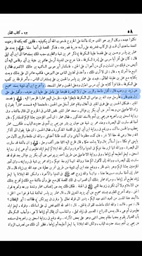
قال ابن عدي ولأبان أحاديث ونسخ وأحاديثه عامتها مستقيمة إذا روى، إذا روى عنه ثقة وهو من أهل الصدق في الروايات وإن كان مذهبه مذهب الشيعة.
طبعًا أنا دائمًا أقول يا إخواني الشيعة، الشيعي الصادق أو الشيعي الصدوق مثل طائر العنقاء موجود في الكتب فقط لكن في الواقع غير موجود، يعني لن تجد الشيعي الصدوق إلا إذا وجدت طائر العنقاء أو وجدت العلماني المتدين يعني الشيء نقيضه.
يقول: وقال الذهبي شيعي جلد شيعي جلد لكنه صدوق، قلنا صدقه فلنا صدقه وعليه بدعته.
طيب. وقال ابن حجر ثقة تكل مفيه للتشيع ومما رواه.
إذن يا إخوان يخدم مشروعه يبث سمومه في الموروث الروائي السني، والذهبي يقول لنا صدقه وعليه بدعته، يعني هو يضع البدعة في الموروث الروائي السني ثم يقول عليه بدعته كيف تكون عليه بدعته وبدعته موجودة في كتبك؟
يقول ومما رواه في فضائل أهل البيت أن النبي صلى الله عليه وآله وسلم قال الحسن والحسين سيدا شباب أهل الجنة وأبوهما خير منهما.
هذا نموذج إخواني والأمثلة كثيرة جدا. طبعًا نتائج هذا البحث إخواني الكرام.
أولًا يقول انتهاج الروايات التاريخية الشيعية وبخاصة الغالية منها خطًا عامًا يوافق المعتقدات والأسس التي قامت عليها عقيدة الشيعة، ولاستخلاص الحقائق من تلك الروايات لا بد من التنبه لذلك المنهج وتجريد الروايات منه.
يعني يقول سبحان الله إخواني جميع الشيعة سواء المغالي أو غير مغالي يصبون في نفس الكأس ويسيرون على خط واحد وهو خدمة المشروع السلالي الطبقي العنصري هي خدمة مشروع التشيع سواء كان فيه تشيع خفيف أو الذي وصل إلى الرفض.
يقول أيضًا في العنصر السادس إخواني يمكنك توقف الشاشة وإذا أردت أن تقرأ النتائج كلها، لكن نحن يعني الوقت قصير جدًا ولا نريد أن نطول عليكم.
يقول سادسًا الكم الهائل وهذا مهم يا إخواني جدًا، فالمسألة ليست رواية ولا اثنتين ولا ثلاثة.
هناك آلاف الروايات موضوعة ومستودعة وموجودة في كتب أهل السنة وحاملوها وناقلوها شيعة.
يقول سادسًا الكم الهائل للروايات الشيعية التي تضمنتها المصادر السنية الكم الهائل.
الله المستعان. ثامنًا. يقول اعتماد المصادر التاريخية على الروايات الشيعية في حوادث مختلفة من التاريخ.
ولعل من أهم الأسباب لهذا الاعتماد الكبير عليها عدم وجود الروايات المقابلة التي تعطي التسلسل التاريخي للحدث كما تصوره الرواية الشيعية.
يعني يقول لك هناك أحداث تاريخية موجودة في التاريخ ليس له، ليس لها ناقل إلا الشيعة.
لن تجد لها مقابل رواية سنية. انظر إلى ما وصلنا إليه.
يعني بعض الأحداث مثل لو أخذنا مثال مثل مقتل الحسين أو مقتل عبد الله بن الزبير أو أي حادثة تاريخية، وهذا ميدانهم يعني ميدانهم الفتن.
يقول لن تجد رواية سنية جميع الروايات روايات شيعية يعني كأنك تقرأ في كتاب الكافي.
الحادي عشر يقول عدم تجاهل جانب التشيع عدم تجاهل جانب التشيع في غير الغالين فيه، فرغم عدم غلوهم إلا أنهم ينقلون ما يوافق تشيعهم، وهذا يعتبر رد على الذهبي حينما قال بدعته عليه ولنا صدقه، ويقول لا، لا ينبغي لك أن تتجاهل هذه البدعة،
لأن حتى الشيعي الذي فيه تشيع خفيف تجده يخدم مشروعه ويخدم بدعته.
هذه بالنسبة إخواني المقدمة الأولى، فبالتالي أنت أمام كم هائل من الروايات الشيعية المستودعة في المصادر السنية، فلا يغرنك حينما تقرأ المصنف أو المصنف سني، لا قد يكون المصنف سني والرواية التي فيه رواية شيعية خالصة.
 6:08 Ibn Taymiyyah on Allegiance to Ali and Ahmad ibn Hanbal on His Caliphate
 5:00 Battle of the Camel in Fath al-Bari: Talha, Zubayr and Ammar
 4:41 Discussion of Shia Beliefs and Bassem Karbalaei’s Laments
 4:41 Mosque Loudspeakers, Ibn Uthaymeen’s Fatwa and the Sahwa Movement
 1:08 Gaza’s Resilience and Faith in God
 1:20 Religious Speech on Resistance, Faith, and Victory or Martyrdom
 2:56 Sheikh Abu Sari Shrine in Suez: A Calf’s Head and a Dispute Over Offerings
 3:17 Claim That Shia Women Lay Eggs Attributed to Al-Kulayni and Al-Tusi
 2:17 Excessive Veneration of the Righteous and Seeking Help from Others
 1:12 Quranic Verses on Discouragement, Patience, and Steadfastness in Jihad
 2:20 Islamic Awareness, Religious Education and Muslim Unity
 1:31 The Westernization Project and Media's Influence on Islamic Law
 iPhone app Translate videos on your iPhone Paste a TikTok, Instagram or X link, add subtitles in your language and save the video to Photos.

TranslateMom transcribes and translates videos from X, TikTok, YouTube and Instagram. Paste a link and you get a page like this one, in your language.