
Preparação para Pandemias, Vacinas de RNA e Crescimento Populacional
2 min Machine translated Health
2 min Machine translated Health
Acho que, hum, uma epidemia, seja causada naturalmente ou intencionalmente, é o que tem mais chance de causar, digamos, 10 milhões de mortes em excesso, hum, e é bastante surpreendente o pouco preparo que há para isso.
Você está empolgado com a inovação tecnológica que está acontecendo nessa área de RNA.
Pode nos explicar, sabe, em que ponto estamos, o quanto está otimista de que podemos realmente acelerar o processo de desenvolvimento de uma vacina quando, quando uma dessas possíveis pandemias for identificada?
Bem, não há nenhum produto licenciado que use essas tecnologias, então ainda há, em termos de imunogenicidade, duração, hum, algumas questões a responder.
Há muitas entidades, do governo, hum, entidades, nossa fundação e outras que vêm trabalhando com, hum, as empresas farmacêuticas e novos participantes, como a Moderna e a CureVac, perguntando: “Certo, para que tipos de doenças isso funcionaria?”
Então, se essa plataforma surgir, será uma ferramenta valiosa para as doenças infecciosas persistentes que ainda causam um impacto enorme.
Será valiosa para epidemias e, ah, potencialmente, ah, como ferramenta para limitar os efeitos do bioterrorismo.
Então, isso é muito empolgante. Ah, provavelmente um desses números vai ter que chegar bem perto de zero.
Ah, isso é coisa da álgebra do ensino médio, mas vamos dar uma olhada.
Ah, primeiro temos a população. Ah, o mundo hoje tem 6,8 bilhões de pessoas.
Esse número deve chegar a cerca de 9 bilhões.
Agora, se fizermos um ótimo trabalho com novas vacinas, assistência médica, serviços de saúde reprodutiva, poderíamos reduzi-lo talvez em 10 ou 15%.
End of transcript · 257 words · machine translated
I think, uh, an epidemic, either naturally caused or intentionally caused, is the most likely thing to cause, say, 10 million excess deaths, uh, and that it's pretty surprising how little preparedness there is for it.
You're excited about the technology innovation that's going on around this sort of RNA area.
Could you talk us through, you know, where we're at, how optimistic you are that we can really accelerate the process of, of getting a vaccine developed once, once one of these potential pandemics, uh, has been identified?
Well, there's no licensed product using these technologies, so there's still, in terms of, uh, immunogenicity, duration, uh, some questions to be answered.
There's a lot of entities, government, uh, entities, our foundation, and others who've been working with, uh, the pharma companies and new entrants like Moderna and CureVac and saying, "Okay, what types of diseases would this work for?"
So if the platform comes along, it will be a valuable tool for the ongoing infectious diseases where we still have a gigantic burden.
It'll be valuable for epidemics and, uh, potentially, uh, as a tool to, to limit the effect of, of bioterrorism.
So it's, it's very exciting. Uh, probably one of these numbers is gonna have to get pretty near to zero.
Uh, that's back from high school algebra, but let's, let's take a look.
Uh, first we've got population. Uh, the world today has 6.8 billion people.
That's headed up to about 9 billion. Now, if we do a really great job on new vaccines, healthcare, reproductive health services, we could lower that by perhaps 10 or 15%.
 3:40 Bill Gates sobre pandemias, segurança das vacinas e crescimento populacional
 3:32 Alegações falsas sobre vacinas, imunidade e HIV
 6:55 Indústria farmacêutica e FDA: alegações de ocultismo e corrupção
 2:55 Alegações de contaminação por DNA nas vacinas da Pfizer e Moderna
 3:39 Como mudaram as diretrizes de pressão arterial e o uso de medicamentos
 2:29 Reação ao teste de mRNA de uma pessoa não vacinada contra a COVID-19
 2:55 Pesquisa de Katie Hinde sobre o Leite Materno: Além da Nutrição
 1:51 Alegações de mortes após vacinas e falhas nos registros em Massachusetts
 2:52 DMSO e pé caído: relato de uma esposa sobre alívio da dor e recuperação
 2:01 Vitamina K em Recém-Nascidos: Riscos Alegados e Alternativa Oral
 1:15 Enfermeira Questiona Vacina contra Hepatite B em Bebês e Relata Advertência
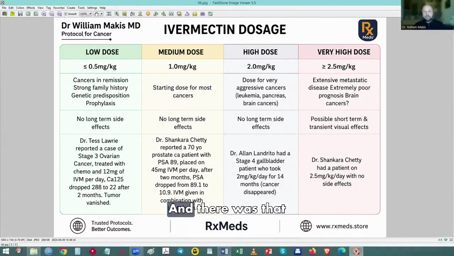 5:48 Ivermectina para câncer: alegações sobre doses e relatos de casos
 iPhone app Translate videos on your iPhone Paste a TikTok, Instagram or X link, add subtitles in your language and save the video to Photos.

TranslateMom transcribes and translates videos from X, TikTok, YouTube and Instagram. Paste a link and you get a page like this one, in your language.