
Haiti: Salvadoran troops, drones and gangs after the ambush
51 views 3 min Machine translated About Haiti War & conflict
51 views 3 min Machine translated About Haiti War & conflict
Three weeks after the ambush, Haiti is no longer the same.
Drones in the sky, Salvadoran soldiers in the streets and a gang calling for peace.
Here’s what has changed since then and how things are going.
Today, El Salvador has about 2,500 soldiers in Haiti.
The UN force has about 1,500. On October 30, their first patrols set out and they establish their base near the U.S. embassy.
On November 2, they enter the Cul- de- Sac plain in armored vehicles, where the ambush took place.
At least 12 gang members are killed. That same day, the UN warns: most of those soldiers are acting outside their mission.
Haiti’s prime minister responds that they’re not here to replace the state and announces a joint strategy: police, army, UN force, and Salvadoran troops.
On November 5, in Cité Soleil, Mathias Antil, leader of the Boston gang, falls, in a joint operation using drones.
He is the first gang leader killed in a military operation since 2024.
Though the police and the press don't tell the same story about how he died.
The prime minister celebrates it. Now, he says, the gangs won't be able to sleep.
The next day, 400 Mawozo, one of the most powerful gangs, gets in touch with the government's Disarmament Commission.
It says it's willing to negotiate and hand over its weapons if the foreign intervention ends.
Bukele replies on social media: Give them the exact address of their leader's house and they'll destroy it.
In the early hours of Sunday the 8th, police drones, with Salvadoran support, destroy that house.
According to sources at the Miami Herald, as many as twenty armed men were killed.
Their leader, Wilson Joseph, was not inside.
And human rights defenders in Haiti are already warning of the risk drones pose to civilians.
Outside Haiti, the operation is also shifting the balance.
The Dominican Republic is sending ten thousand soldiers to its border to protect its territory, its government says.
Donald Trump tells Bukele to do whatever he has to do, but Marco Rubio asks him to coordinate with the UN force to avoid friendly fire.
And in El Salvador, nearly nine out of ten people support the mission, according to polls.
Meanwhile, the UN force remains below a third of its intended size, with a mandate only until March.
Bangladesh and Sri Lanka will begin sending troops in October.
And the elections are postponed again, this time until July 2027.
And the four technicians? They still haven't been found.
The four bodies they handed over days later weren't them.
Bukele is keeping his promise: if they're returned, his troops will leave immediately.
What's next? On November 16, Haiti's prime minister travels to El Salvador to decide those soldiers' future.
In three weeks, the board changed. A leader taken out, a gang asking to negotiate and a foreign army no one knows when will leave.
Should the Salvadoran soldiers stay in Haiti even if the four technicians are found?
I'll read your comments.
End of transcript · 504 words · machine translated
Tres semanas después de la emboscada, Haití ya no es el mismo.
Drones en el cielo, soldados salvadoreños en las calles y una banda que pide la paz.
Esto es lo que ha cambiado desde entonces y cómo va.
Hoy, El Salvador tiene en Haití unos dos mil quinientos soldados.
La fuerza de la ONU, unos mil quinientos.
El 30 de octubre salen sus primeras patrullas y montan su base cerca de la embajada de Estados Unidos.
El 2 de noviembre entran con blindados en la llanura de Cul-de-Sac, donde fue la emboscada.
Mueren al menos doce pandilleros. Ese mismo día, la ONU avisa: la mayoría de esos soldados actúa fuera de su misión.
El primer ministro de Haití responde que no vienen a reemplazar al Estado y anuncia una estrategia común: policía, ejército, fuerza de la ONU y salvadoreños.
El 5 de noviembre, en Cité Soleil, cae Mathias Antil, jefe de la banda Boston, en una operación conjunta con drones.
Es el primer jefe de banda abatido en una operación militar desde 2024.
Aunque la policía y la prensa no cuentan igual cómo murió.
El primer ministro lo celebra. Ahora, dice, las bandas no van a poder dormir.
Al día siguiente, la 400 Mawozo, una de las bandas más poderosas, se pone en contacto con la Comisión de Desarme del Gobierno.
Dice que está dispuesta a negociar y entregar las armas si se acaba la intervención extranjera.
Bukele contesta en las redes: que le den la dirección exacta de la casa de su jefe y la destruirán.
El domingo 8, de madrugada, los drones de la policía con apoyo salvadoreño destruyen esa casa.
Según fuentes del Miami Herald, mueren hasta veinte hombres armados.
Su jefe, Wilson Joseph, no estaba dentro.
Y los defensores de derechos humanos en Haití ya alertan del riesgo de los drones para los civiles.
Fuera de Haití, la operación también mueve fichas.
La República Dominicana manda diez mil soldados a su frontera para proteger su territorio, dice su gobierno.
Donald Trump le dice a Bukele que haga lo que tenga que hacer, pero Marco Rubio le pide coordinarse con la fuerza de la ONU para evitar fuego amigo.
Y en El Salvador, casi nueve de cada diez personas apoyan la misión, según las encuestas.
Mientras, la fuerza de la ONU sigue por debajo de un tercio de su tamaño, con mandato solo hasta marzo.
Bangladesh y Sri Lanka empiezan a mandar tropas desde octubre y las elecciones se vuelven a aplazar, ahora a julio de 2027.
¿Y los cuatro técnicos? Siguen sin aparecer.
Los cuatro cuerpos que entregaron días después no eran ellos.
Bukele mantiene su promesa: si los devuelven, sus tropas se van de inmediato.
¿Lo próximo? El 16 de noviembre, el primer ministro haitiano viaja a El Salvador para decidir el futuro de esos soldados.
En tres semanas, el tablero cambió. Un jefe abatido, una banda que pide negociar y un ejército extranjero que nadie sabe cuándo se irá.
¿Deben quedarse los soldados salvadoreños en Haití aunque aparezcan los cuatro técnicos?
Te leo en los comentarios.
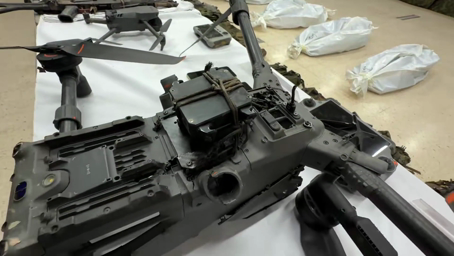 4:18 President confronts alias Barba Chivo over drone attacks
 6:56 Two Prisoners Captured: Soldiers Communicate by Radio
 8:32 A Founder's Account of Polisario, the Green March and Algeria
 4:43 Adel al-Hasani Criticizes Saudi Influence and Salafi Preachers in Yemen
 8:22 Yemen and Hormuz Strait Updates: Fighting on Four Fronts, November 9
 9:12 Criticism of Bint Jbeil Page Over Gaza and Lebanon Video
 3:55 Travel and Goods Traffic on Taiz’s Western Route
 5:09 Yemeni Speaker Accuses Saudi Arabia of Targeting Civilians
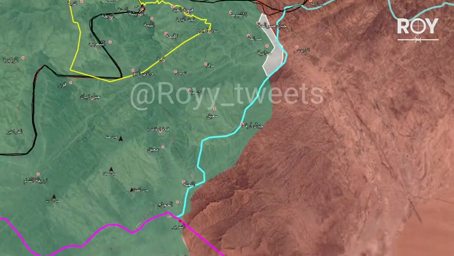 8:40 Yemen Conflict Update, November 10: Fighting in Lahj, Taiz, Marib and Al Jawf
 4:35 Taiz Siege: Speaker Challenges Claims After Truck Video
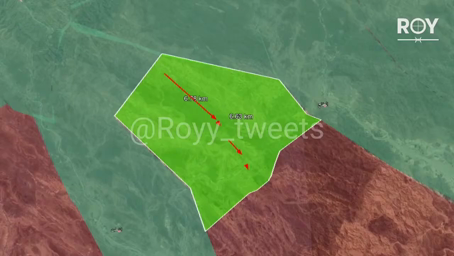 9:25 Yemen Conflict Update, November 11: Houthi Advances in Lahj and Taiz
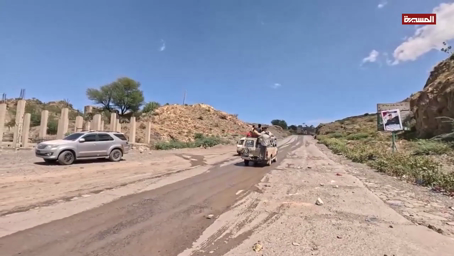 4:00 Supplies Enter Taiz via Western Route: Drivers’ Accounts
 iPhone app Translate videos on your iPhone Paste a TikTok, Instagram or X link, add subtitles in your language and save the video to Photos.

TranslateMom transcribes and translates videos from X, TikTok, YouTube and Instagram. Paste a link and you get a page like this one, in your language.