
Yemen's Maritime Blockade: Ship Arrivals, Delays and Import Costs
4 min Machine translated About Yemen War & conflict
4 min Machine translated About Yemen War & conflict
Three nearly destroyed ports, two conflicting figures, and one account through which Washington and Riyadh seek to deny the blockade of Yemen.
More than 300 ships carrying various foodstuffs and goods, fuel, and building materials.
The Port of Hodeidah, between January and September 2026, 272 commercial ships unloaded their cargo at Hodeidah, Salif, and Ras Isa, according to the United Nations.
Food, petroleum, and basic necessities They always arrive. There was no blockade at all.
This discrepancy calls for asking a question beyond the alleged figures.
Is the arrival of a limited number of ships enough to deny a blockade of a country that relies on the sea to secure most of its needs?
Looking back to before the aggression against Yemen, statistics from the Red Sea Ports Corporation record the arrival of nearly 800 ships at Hodeidah and Salif alone in 2013, a sharp drop from the figures announced by the American and Saudi sides.
Despite the differing nature of commercial activity between the ports, The contradiction is clear in presenting this limited number of ships as evidence that no blockade exists, while Yemen’s population has grown, according to demographic studies,
from around 29 million to over 40 million.
Moreover, the limited passage of ships does not mean there is no blockade or restrictions, nor does it erase the cost of their journeys.
Reports by UN Security Council experts documented the inspection, diversion, and delay of ships, including 877 cumulative days of delays caused by Saudi regime measures in 2018, at an estimated cost of more than $26 million.
Those costs, along with higher insurance and financing complications, accumulate in the import bill before being reflected in the prices of goods and burdening exhausted citizens as their incomes and purchasing power decline because of the starvation and impoverishment policy designed by the U.S. and Saudi Arabia.
The only authority authorized to grant clearance for any air or sea transport is the coalition command.
Claims denying the blockade are contradicted by announcements from the Saudi aggressor itself, And they are also contradicted by UN reports on which the American and Saudi sides rely, since the point is not how many ships reached the port,
but how many ships did not arrive, and how many ships were delayed, and how much it cost for their cargo to reach the ports before finding its way to citizens’ tables, if it managed to.
The Saudi regime begrudges Yemenis the chance to live as others do, while one of its own ports received 2,677 ships last year out of 7,848 ships received by the Kingdom’s ports.
At best, Yemen was unable to reach what Port Sudan receives in commercial ships, even though Sudan is a country living through war and a major economic crisis, and yet it has received nearly 700 ships since the beginning of this year.
That is something a free, dignified, and independent Yemen cannot accept.
End of transcript · 486 words · machine translated
3 موانئ شبه مدمرة، ورقمان متضاربان، ورواية واحدة تسعى واشنطن والرياض من خلالها إلى نفي الحصار عن اليمن.
أكثر من 300 سفينة تحمل مختلف المواد الغذائية والبضائع والوقود ومواد البناء.
ميناء الحديدة بين يناير وسبتمبر 2026، 272 سفينة تجارية فرغت حمولتها في الحديدة والصليف ورأس عيسى، بحسب كلام الأمم المتحدة.
المواد الغذائية والبترول والاحتياجات الأساسية دايمًا توصل، ما كانش فيه أي حصار.
تضارب يستدعي فتح سؤال أبعد من الأرقام المزعومة.
هل يكفي وصول أعداد محدودة من السفن لنفي الحصار عن بلد يعتمد على البحر لتأمين معظم احتياجاته؟
بالعودة إلى ما قبل العدوان على اليمن، تسجل إحصاءات مؤسسة موانئ البحر الأحمر وصول قرابة 800 سفينة إلى الحديدة والصليف وحدهما عام 2013، بتراجع حاد عما أعلنه الأمريكي والسعودي من أرقام.
ورغم اختلاف طبيعة النشاط التجاري بين الموانئ، تبرز المفارقة في تقديم هذا العدد المحدود من السفن دليلًا على انتفاء الحصار، بينما ارتفع عدد سكان اليمن وفق تقديرات دراسات سكانية من نحو 29 مليونًا إلى أكثر من 40 مليونًا.
ثم إن الوصول المحدود للسفن لا يعني انتفاء الحصار والقيود، بل ولا يلغي كلفة رحلتها.
فتقارير خبراء مجلس الأمن وثقت إجراءات تفتيش وتحويل وتأخير للسفن، بينها 877 يومًا من التأخير التراكمي بفعل إجراءات النظام السعودي خلال عام 2018، بكلفة قدرت بأكثر من 26 مليون دولار.
تلك التكاليف، إلى جانب ارتفاع التأمين وتعقيدات التمويل، تتراكم على فاتورة الاستيراد قبل أن تنعكس على أسعار السلع وتثقل كاهل المواطن المنهك بتراجع دخله وقدرته الشرائية بفعل سياسة التجويع والإفقار المصممة أمريكيًا وسعوديًا.
الجهة الوحيدة المخولة بإعطاء تصريح لأي وسائل نقل جوية أو بحرية هي قيادة التحالف.
محاولات نفي الحصار تكذبها إعلانات المعتدي السعودي نفسه، وتكذبها أيضًا تقارير الأمم المتحدة التي يستند إليها الأمريكي والسعودي، إذ بيت القصيد لا يكمن في كم سفينة وصلت إلى الميناء، بل كم سفينة لم تصل، وكم سفينة تأخرت، وكم كلفة ترتبت على وصول حمولتها إلى الموانئ قبل أن تجد طريقها إلى موائد المواطنين إن تمكنت.
يستكثر النظام السعودي على اليمنيين العيش كما يعيش الآخرون، فيما ميناء واحد من موانئه استقبل 2677 سفينة العام الماضي ضمن 7848 سفينة استقبلتها موانئ المملكة.
وفي أحسن الأحوال، لم يتمكن اليمن من الوصول إلى ما يستقبله ميناء بورت سودان من السفن التجارية، باعتبار السودان البلد الذي يعيش حربًا وأزمة اقتصادية كبيرة، ومع ذلك يستقبل قرابة 700 سفينة منذ مطلع العام الجاري.
ذلك ما لا يقبل به اليمن الحر الكريم والمستقل.
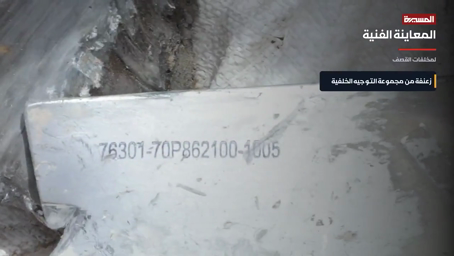 5:09 Saudi Airstrikes on Al-Sharia Village: Bomb Debris and Rescuers
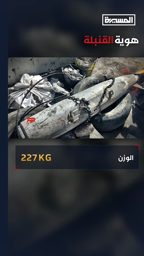 1:19 Bomb Evidence in Bani Hashish, Yemen: Mark 82 and Paveway IV
 3:09 Accounts of Saudi Airstrikes Near a School and an Injured Girl
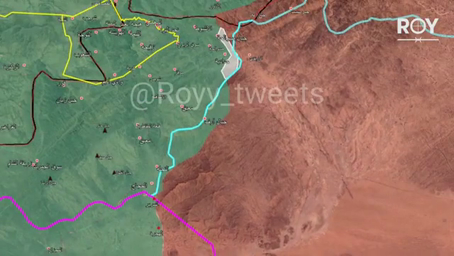 8:22 Yemen and Hormuz Strait Updates: Fighting on Four Fronts, November 9
 3:54 Warning to Fighters in Al-Suqya, Kahboub and Ras al-Ara
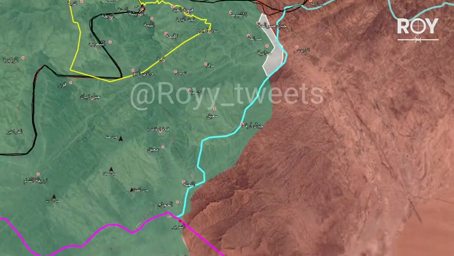 8:40 Yemen Conflict Update, November 10: Fighting in Lahj, Taiz, Marib and Al Jawf
 9:12 Criticism of Bint Jbeil Page Over Gaza and Lebanon Video
 3:55 Travel and Goods Traffic on Taiz’s Western Route
 5:26 Taiz Siege and Influencer Neutrality: A Speaker’s Perspective
 9:25 Yemen Conflict Update, November 11: Houthi Advances in Lahj and Taiz
 9:54 Marib Fighting: Fighters Claim Vehicle Strikes and Drone Downing
 4:35 Taiz Siege: Speaker Challenges Claims After Truck Video
 iPhone app Translate videos on your iPhone Paste a TikTok, Instagram or X link, add subtitles in your language and save the video to Photos.

TranslateMom transcribes and translates videos from X, TikTok, YouTube and Instagram. Paste a link and you get a page like this one, in your language.