
Die moralischen Risiken von Geoengineering: Leben retten und Todesfälle verursachen
1 min Machine translated Tech & science
1 min Machine translated Tech & science
Darf ich kurz einhaken? Das ist ein wichtiger Moralpunkt.
Wenn ich also eine Entscheidung träfe oder es eine gemeinsame Entscheidung gäbe, ein Geoengineering-Programm durchzuführen, und man etwa das Programm, das ich sinnvoller finde, umsetzte, und wir etwa 1 Mio. Tonnen/Jahr einbringen,
aber nehmen wir mal an, könnte man am Ende viele Zehntausend Menschen pro Jahr als direkte Folge dieser Entscheidung töten.
Ich denke, das hat moralische Folgen. Ich leugne es nicht.
Das ist also ein Fall, in dem ich das ganz anders sehe als Alan und denke, es ist viel ernster.
Nun stimmt es, dass man dabei hoffen würde, dass der Gesamtnutzen für die menschliche Sterblichkeit so groß wäre, dass man viel, viel mehr Menschen retten würde.
Aber die Tatsache, dass man, äh, mehr Menschen rettet, als tötet heißt nicht, dass es keine moralischen Folgen hat eine Entscheidung, die Menschen direkt tötet.
Und ich denke, wir, die darüber reden, müssen die Augen offen halten für die direkten Risiken, die damit verbunden sind.
Okay. Kann ich— Helfen Sie. Ich finde tatsächlich, eine der wichtigsten Fragen, die wir gehört haben, war die Frage zu akuten— Mhm.
Zu akuten, äh, Auslösern und so … Ich denke, wir sahen das bei Sandy, als der Klimawandel zumindest eine kurze Zeit lang wieder auf dem politischen Radar auftauchte, wegen Extremwetters, egal, ob diese tatsächlich vom Klimawandel verursacht oder geprägt wurden.
Ähm, ich—
End of transcript · 227 words · machine translated
Can I leap in? This is a really important moral point.
So if I made a decision or if there was a collective decision to do a geoengineering program, and you put, say, uh, the kind of program I think makes more sense, we put about a million tons a year in, but let's say.
You might end up killing many tens of thousands of people a year as a direct result of that decision.
I think that has moral consequences. I don't sweep it under the rug.
So this is a case where I take this much differently from Alan and think it's a much more serious issue.
Now, it's true that as part of doing that, you would hope that the overall benefits of human mortality would be so that you would save many, many more people than that.
But the fact that you, uh, would save more people than you kill doesn't mean there's no moral impact of making a decision that directly kills people.
And I think that we who talk about this have a duty to be clear-eyed about the, the direct risks involved in doing it.
Okay. Can I- Help. I actually think one of the most important questions we heard from was the question about acute- Mm-hmm.
About acute, uh, triggers and sort of...
I think we've seen this in this country with Sandy, where climate change, for at least a little while, came back on the political radar screen because of extreme weather, whether it was actually caused or affected by climate change or not.
Um, I-
 0:42 KI-Wettlauf mit China: Warnung vor Spionage und Chip-Geheimnissen
 3:00 Ein Plädoyer für Elon Musk: Tesla, SpaceX und Neuralink
 3:00 Behauptungen über Jensen Huangs Rücktritt und offene KI
 0:27 Elon Musks Satelliten und die Abstimmung im Orbit
 2:04 Trump-Regierung in Davos: Globalisierung hat den Westen im Stich gelassen
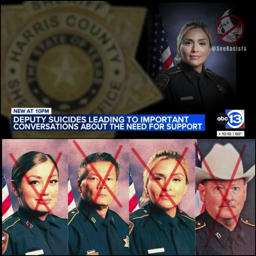 3:35 Vier Suizide unter aktiven und ehemaligen Deputys im Harris County
 0:52 Aqida im Islam: Anspruch auf Wahrheit und Überlegenheit
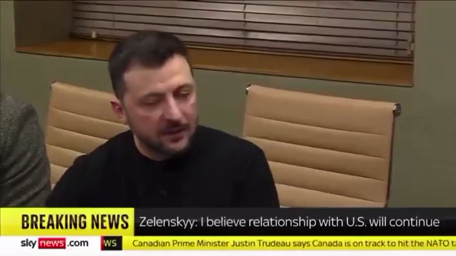 0:48 Wahlteilnahme und NATO-Mitgliedschaft als Verhandlungsfrage
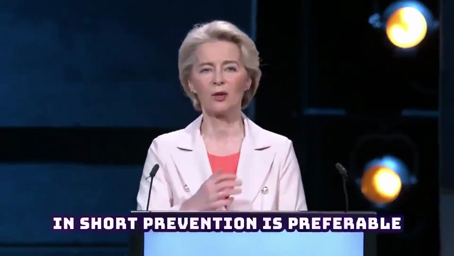 1:30 Wie Prebunking die Widerstandskraft gegen Desinformation stärkt
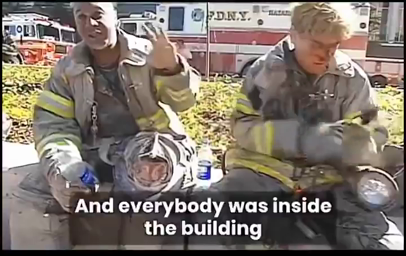 1:48 11. September: Augenzeugen berichten von Explosionen und Einsturz einer Lobby
 2:58 Charlie hinterfragt antisemitische Behauptungen über 9/11 und den Holocaust
 2:56 Studie zu Impfstoffchargen: Gemeldete Nebenwirkungen und Fragen an die EMA
 iPhone app Translate videos on your iPhone Paste a TikTok, Instagram or X link, add subtitles in your language and save the video to Photos.

TranslateMom transcribes and translates videos from X, TikTok, YouTube and Instagram. Paste a link and you get a page like this one, in your language.