
AVE and Iryo train collision: braking, LZB failure and casualties
1 min Machine translated Filmed in Spain
1 min Machine translated Filmed in Spain
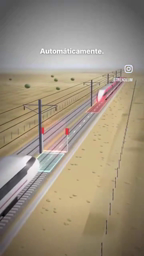
It is now known that the AVE driver tried to brake before the collision with the Iryo train, but he would not have had enough distance to avoid the crash. Meanwhile, the Iryo driver tried to restart the LZB system twice, but the train did not respond. Afterwards,
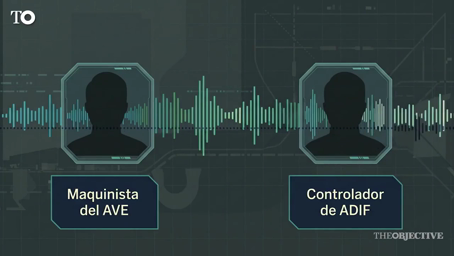
she called her own company's control center to ask for help.
And most distressingly, she was still speaking with the control center when the AVE crashed into her train.
Minutes earlier, she had already informed Adif that she was still stopped and could not resume her journey.
However, the AVE had been ordered to continue at normal speed.
Although the AVE driver reportedly tried to brake, at that speed, the distance needed to stop is enormous.
Braking can reduce speed and the impact energy, but it cannot guarantee avoiding a collision when the obstacle appears too close.
Among the victims of the accident was also the AVE driver himself, Antonio Acedo, and two trainee workers who were traveling with him.
In addition, the death of Fátima Báñez was confirmed, former minister of Employment during the Popular Party government, who was traveling on the Iryo.
The latest official count released by the regional government is 69 people dead and more than 180 injured.
However, a preliminary document from the technical investigation mentioned 74 deaths, a figure still pending official confirmation
End of transcript · 227 words · machine translated
Ahora se sabe que el maquinista del AVE intentó frenar antes de impactar contra el tren Iryo, pero no habría tenido suficiente distancia para evitar el choque. Mientras tanto, la maquinista del Iryo intentó reiniciar el sistema LZB en dos ocasiones, pero el tren no respondió. Después,
llamó al centro de control de su propia compañía para pedir ayuda. Y lo más angustiante es que seguía hablando con el centro de control cuando el AVE impactó contra su tren.
Minutos antes, ella ya había avisado a Adif de que seguía detenida y no podía reanudar la marcha.
Sin embargo, el AVE había recibido la orden de continuar a velocidad normal.
Aunque el maquinista del AVE habría intentado frenar, a esa velocidad, la distancia necesaria para detenerse es enorme.
La frenada puede reducir la velocidad y la energía del impacto, pero no garantiza evitar una colisión cuando el obstáculo aparece demasiado cerca.
El accidente también dejó entre las víctimas al propio maquinista del AVE, Antonio Acedo, y a dos trabajadores en formación que viajaban con él.
Además, se confirmó la muerte de Fátima Báñez, exministra de Empleo durante el gobierno del Partido Popular, que viajaba en el Iryo.
El último balance oficial difundido por el gobierno regional es de sesenta y nueve personas fallecidas y más de ciento ochenta heridas.
Sin embargo, un documento preliminar de la investigación técnica mencionó setenta y cuatro fallecidos, una cifra todavía pendiente de confirmación oficial
 2:56 Madrid–Seville Train Collision: LZB, ASFA and the Investigation
 3:58 Atocha instructs train driver to disconnect LZB after Urda failure
 4:50 Warnings of a Possible War and Emergency Stockpiling
 1:08 Doña Florinda Sends Quico for Bread and Stays with El Chavo
 2:12 Small Plane Wreckage and Apparent Human Remains at the Scene
 1:17 Small plane debris scattered after crash
 1:32 Colombian in Ukraine alleges assault and asks to return home
 2:19 Lamine Yamal vs Alavés: Yusi duel, penalty appeal and two goals
 0:53 Spain and Israel: Government Criticism and Defense Cooperation
 0:48 Ramayana Movie Review After the Los Angeles Premiere
 0:10 The Food Is Alive! A Surprised Plea to Sergio
 1:15 Haas Drops Esteban Ocon After Team Meeting Dispute in Mexico
 iPhone app Translate videos on your iPhone Paste a TikTok, Instagram or X link, add subtitles in your language and save the video to Photos.

TranslateMom transcribes and translates videos from X, TikTok, YouTube and Instagram. Paste a link and you get a page like this one, in your language.